
Reviewed · MUSEUMS
Irish Wake Museum Tour Rituals of Death and Celebration of Life
Death has a story in Waterford. The Irish Wake Museum turns that story into a thoughtful 45-minute tour through Irish mourning customs, local folklore, and the long history of a 15th-century Almshouse. I like the way the tour connects funeral rituals to everyday life, and I also like its small-group feel, which gives the guide room to explain unusual details rather than rush through displays.
The setting is another strong point. This old building has been linked with life and death in Waterford for six centuries. The main drawback is clear: the museum includes references to death, injury, illness, and realistic images of recently deceased people, so this is not a light family attraction for everyone.
- A 15th-century Almshouse: Explore a historic building with six centuries of links to Waterford’s care, illness, and death.
- Irish mourning customs: Learn why wakes developed their distinctive rituals and social habits.
- Local folklore: Hear traditional stories and beliefs tied to death and remembrance.
- Rare funerary objects: See artifacts connected with Ireland’s changing funeral practices.
- A short, focused visit: The guided experience lasts about 45 minutes, making it easy to fit into a Waterford sightseeing day.
- Strong guide-led experience: Guides such as Tobie and Deirdre have been praised for clear storytelling, humor, and well-paced delivery.
In This Review
- Entering Waterford’s 15th-Century Almshouse
- What the 45-Minute Tour Actually Covers
- Irish Folklore Behind the Wake
- Rare Artifacts and Realistic Displays
- Why the Guide Makes the Difference
- The $17.54 Price and What You Get
- Who Will Enjoy This Museum Most
- Practical Details for a Waterford Visit
- Should You Book the Irish Wake Museum?
- FAQ
- Where is the Irish Wake Museum located?
- How long does the tour last?
- What is included in the admission price?
- What language is the tour offered in?
- How much does the experience cost?
- Is the museum suitable for children?
- How many people can join the tour?
- Is the museum near public transportation?
- Can I cancel for a full refund?
Entering Waterford’s 15th-Century Almshouse
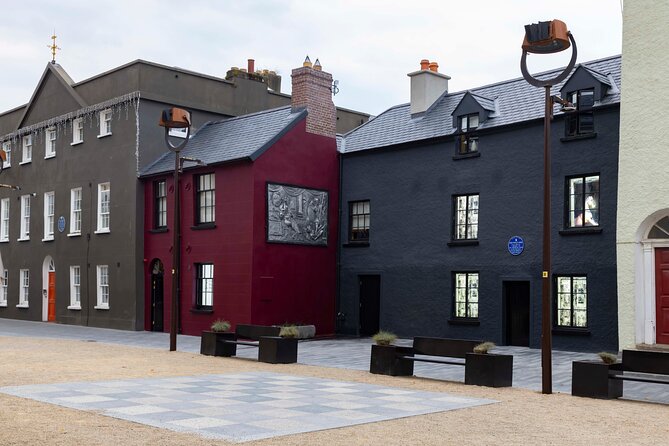
The Irish Wake Museum is located at Cathedral Square in Waterford, inside a building that once served as a 15th-century Almshouse. That setting does much of the work before the tour even begins. You are not entering a modern exhibition hall built to imitate the past. You are stepping into an old place with a long connection to illness, care, death, and community life.
I find this especially effective because the subject feels tied to real human experience. The building helps explain why funeral customs were not private matters in the way they often are today. In earlier Irish communities, death affected the whole neighborhood. A wake could be a religious gathering, a social occasion, a practical duty, and a way for the living to honor the dead.
The museum presents Waterford’s story across six centuries. You should not expect a broad city tour with stops all over town. Instead, the history is concentrated inside one atmospheric building. That makes the visit manageable, but it also means the guide’s storytelling matters a great deal.
This is where the tour earns its high marks. Tobie has been praised for combining excellent humor with clear information, while Deirdre has been singled out for her strong delivery and command of the subject. Those details are useful when choosing this experience because the museum depends more on explanation than on a large number of displays.
What the 45-Minute Tour Actually Covers

The visit is fully guided, and admission is included in the booking price. You are taken through the meaning behind a wake’s customs, rather than simply shown objects with labels and left to make sense of them yourself.
The central question is simple: why did Irish wakes develop the way they did? The tour uses funeral practices to explain a wider set of beliefs about family, religion, community, illness, and remembrance. You may hear how folklore shaped attitudes toward death and how customs gave people a set of actions to follow at a difficult time.
That is the museum’s real strength. A wake was not just a ceremony after someone died. It had rules, expectations, stories, and social roles. The guide helps you see how these practices gave structure to grief and brought a community together.
The tour also places those customs in Waterford’s past. One review praised the way the visit became a lesson in the city’s history as well as a study of death rituals. That connection matters. Without it, the museum could feel like a narrow display about funerals. With it, you begin to see the wake as part of local life.
At 45 minutes, the pace should suit most people. You get a focused introduction without committing half a day to one subject. I would plan to arrive ready to listen, since the experience is built around spoken interpretation. It is not the best choice if you prefer to wander alone or skim displays at your own speed.
More museums:
- Waterford Treasures: Medieval Museum Admission Ticket
★ 4.5 · 132 reviews - Waterford Treasures: Medieval Museum Entry Ticket
★ 4.5 · 20 reviews - Waterford: The Irish Wake Museum Guided Tour
★ 4.8 · 6 reviews
Irish Folklore Behind the Wake
The folklore element gives the tour its most distinctive flavor. Ireland’s funeral customs were shaped not only by formal religious practice but also by stories, fears, habits, and beliefs passed from one generation to the next.
You will hear folklore linked to death and mourning, with the guide explaining how such ideas affected the way people behaved around the deceased. Some customs may seem strange to modern eyes. That is part of the value. The tour shows that people created familiar rituals to deal with something frightening and uncertain.
I like that the museum approaches the subject through explanation rather than spectacle. Death is not treated as a spooky theme-park gimmick. It is presented as a serious part of Irish culture, with room for the humor and social energy that often formed part of a traditional wake.
That balance is important. Irish wakes are often remembered as occasions of grief, but they could also include conversation, food, storytelling, and moments of laughter. The guide’s tone helps you understand that celebration and sadness were not always opposites. Both could exist in the same room.
The humor noted in Tobie’s tour is especially relevant here. A completely solemn presentation could become heavy during such a short visit. A guide who can add well-judged humor helps you stay engaged, while still respecting the subject.
Rare Artifacts and Realistic Displays
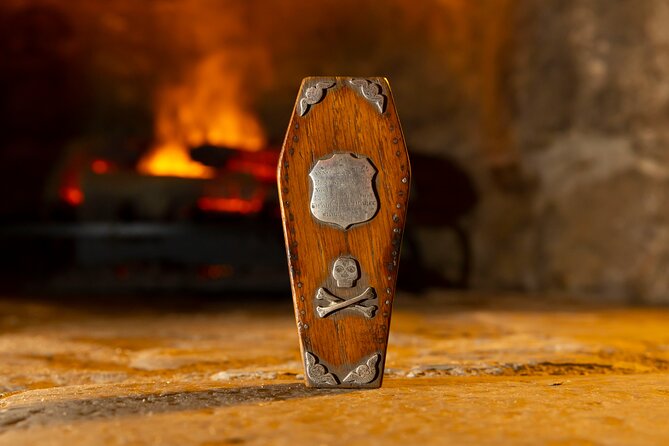
The museum includes rare artifacts connected with Ireland’s funerary customs. These objects give physical form to practices that can otherwise seem distant or abstract. You are not only hearing about how people mourned. You are also seeing items associated with those traditions.
The exact range of objects is not specified, so I would avoid arriving with a fixed list of expected exhibits. The value lies in how the guide places the artifacts in context. A funeral object can tell you about religion, family roles, social status, local craft, and changing attitudes toward death.
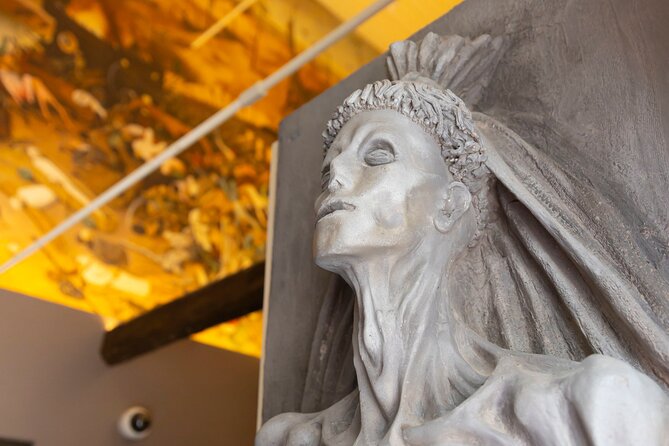
The museum also uses realistic depictions of recently deceased people. This is not a minor detail. The material may upset some people, especially children or anyone dealing with a recent loss. The attraction advises that it is not suitable for children under eight at a minimum.
I would take that warning seriously. Older children may still find the subject difficult, and age alone does not determine comfort. If anyone in your group is sensitive to images of illness, injury, or death, ask yourself whether the educational value is worth the emotional weight.
For adults interested in social history, the directness can be useful. The museum does not hide the fact that funerary customs deal with real bodies and real loss. Still, this is not an experience I would book casually as a rainy-day activity without first explaining the subject to everyone in your group.
Why the Guide Makes the Difference
A guide-led museum visit can either bring a place to life or simply add a voice to the room. Here, the feedback points strongly toward the first option. Tobie’s humor and informative approach have been praised, and Deirdre’s clear delivery has also made a strong impression.
Those comments suggest that the guide is central to the experience. The museum’s subject has layers that may not be obvious from the objects alone. A skilled guide can explain why a custom mattered, how it fit into Irish life, and what it tells you about Waterford.
I would listen for the links between the museum and the wider city. One of the best features is that the tour is not limited to funerals. It also helps you understand Waterford’s past through a building that has witnessed changing ideas about care, illness, and death.
The small format should help. The experience is described as intimate and limited to four people, while the booking information also gives a maximum group size of 12. That means the exact number can vary, but it should not feel like a large coach excursion. A smaller group gives you a better chance to hear the guide clearly and ask a question.
Because the tour lasts only 45 minutes, a personal exchange can make a real difference. You are not spending the first part of the visit waiting for a large crowd to settle. The guide can keep the presentation focused and respond to the mood of the room.
A few more trips worth weighing up
- House of Waterford Crystal Guided Factory Tour
★ 4.5 · 2,303 reviews - Skip the Line: Hook Lighthouse Entrance Ticket and Guided Tour
★ 5.0 · 470 reviews - Waterford: House of Waterford Factory Tour
★ 4.8 · 256 reviews - Waterford Treasures: Epic Walking Tour
★ 4.5 · 152 reviews
The $17.54 Price and What You Get
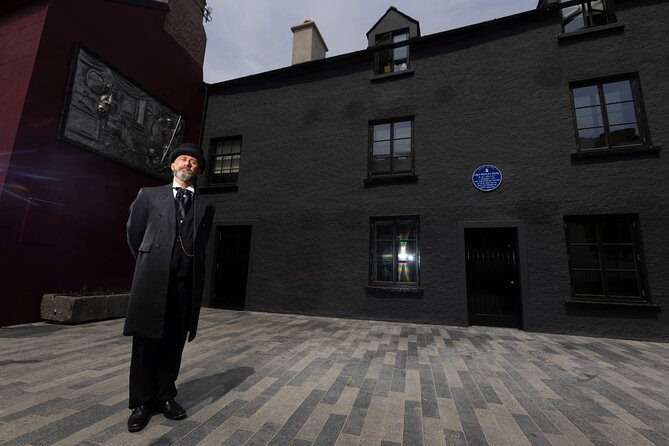
At $17.54 per person, the tour is reasonably priced for a guided museum experience in a historic building. You receive admission, a professional guide, and a concentrated look at a subject that is difficult to find elsewhere.
The price makes the most sense if you value interpretation. If you only want to see a few objects, you might find the visit short. But if you want the customs explained and connected to Waterford’s story, 45 minutes is a useful amount of time.
I would compare the cost with what you might spend on a standard attraction that offers less personal explanation. Here, the guide is part of the product, not an optional extra. The unusual theme also adds value. You are unlikely to get the same combination of folklore, funeral practice, and local history in a general city museum.
The tour is best seen as one piece of a Waterford day. Since it ends back at Cathedral Square, you can continue exploring the area afterward. The booking information lists the museum as near public transportation, so it should be practical to reach without a car.
A mobile ticket also keeps the arrival process simple. Confirmation is provided at booking, and the meeting point is both the start and finish of the activity. You should still check the exact start time carefully, since the experience is short and a late arrival would cut into a large part of the visit.
Who Will Enjoy This Museum Most
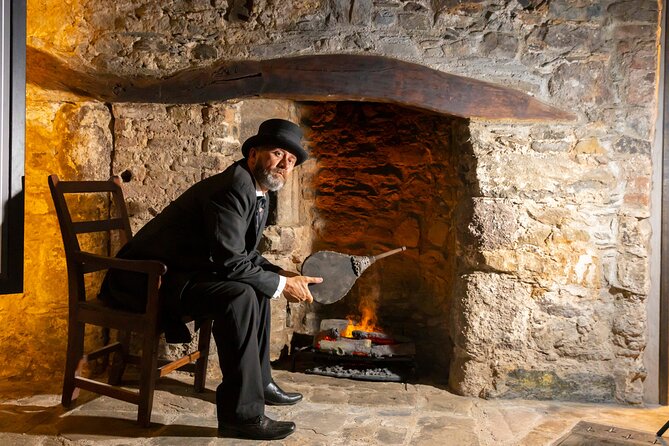
I would recommend the Irish Wake Museum to adults interested in Irish culture, folklore, local history, religion, and the way communities respond to death. It should also suit anyone who prefers a compact guided visit over a large museum where you are left to read panels alone.
It is a particularly good match for you if:
- You want a Waterford experience that feels specific to the city.
- You enjoy unusual subjects handled with care.
- You like hearing stories and explanations from a guide.
- You have an interest in historic buildings and social customs.
- You want a short activity that can fit between other sights.
- You are comfortable with realistic material involving death and illness.
I would think twice if you are looking for cheerful entertainment or a broad overview of Irish culture. This is a focused visit. It deals with death directly, and the realistic displays may be too much for some people.
Families should make an individual decision rather than relying only on the minimum age guidance. The museum advises that it is not suitable for children under eight, but older children may also need preparation. Explain the subject before you go, particularly if they are sensitive to images of the deceased.
Practical Details for a Waterford Visit
The museum is at Waterford Treasures: Irish Wake Museum, Cathedral Square, Waterford, Ireland. The activity starts and finishes at the same meeting point, which makes planning easy.
The tour is offered in English. You should allow about 45 minutes for the guided visit itself. Since it is a compact experience, it can work well before or after another Waterford attraction, provided you leave enough time to arrive at the scheduled start.
The experience is generally suitable for most participants, and it is near public transportation. The booking details list a maximum of 12 people, while the main description presents the tour as intimate and limited to four. If group size is especially important to you, confirm the expected format before booking.
Free cancellation is available when you cancel at least 24 hours before the local start time. Changes or cancellations made less than 24 hours in advance are not accepted for a refund.
Should You Book the Irish Wake Museum?
Book it if you want a thoughtful, unusual look at Waterford and you are comfortable with the subject matter. The combination of a 15th-century Almshouse, Irish folklore, funerary artifacts, and a strong guide makes this more than a quick display of old objects.
Skip it if death, illness, injury, or realistic images of the recently deceased would make your group uncomfortable. The warning is direct, and it deserves attention.
For the price and time, I think this is a worthwhile choice for culturally curious adults. Go expecting a serious but human presentation, not a spooky attraction. If Tobie or Deirdre is leading the visit, you can also expect the kind of clear storytelling and light humor that helps a difficult subject feel approachable without making it trivial.
FAQ
Where is the Irish Wake Museum located?
The museum is at Cathedral Square in Waterford, Ireland. The tour starts and ends at the Waterford Treasures: Irish Wake Museum meeting point.
How long does the tour last?
The guided experience lasts approximately 45 minutes.
What is included in the admission price?
The price includes admission to the museum, a guided tour, and a professional guide.
What language is the tour offered in?
The tour is offered in English.
How much does the experience cost?
The listed price is $17.54 per person.
Is the museum suitable for children?
The museum advises that the experience is not suitable for children under eight years old at a minimum. It includes references to death, injury, and illness, along with realistic depictions of recently deceased people.
How many people can join the tour?
The experience is described as an intimate tour limited to four people, while the additional booking information lists a maximum of 12 participants.
Is the museum near public transportation?
Yes. The museum is listed as being near public transportation.
Can I cancel for a full refund?
Yes, if you cancel at least 24 hours before the experience start time. Cancellations or changes made less than 24 hours in advance are not accepted for a refund.
Just added around Waterford
- Waterford: The Irish Wake Museum Guided Tour★ 4.8 · 6 reviews
- Waterford: Mount Congreve Gardens Entry Ticket★ 5.0 · 7 reviews
- Semi Private tour Rock of Cashel – Cahir castle & Kilkenny★ 3.5 · 9 reviews
- Waterford, Kilkenny and House of Waterford Crystal★ 4.0 · 12 reviews
- Full day Private Tour from Waterford★ 4.5 · 14 reviews
- Irelands Ancient East Waterford Greenway Cycle Tours & Bike Hire★ 3.5 · 16 reviews
- Waterford Treasures: Medieval Museum Entry Ticket★ 4.5 · 20 reviews
- Waterford Treasures: Walking Tour of the Viking Triangle★ 4.7 · 43 reviews
Museums, compared.
The Little Museum of Dublin Famous Guided Tour
Read our review →

Giant’s Causeway with the Titanic Exhibition and the best of Northern Ireland
Read our review →

Irish Whiskey Museum: Whiskey Blending Experience
Read our review →
Irish Whiskey Museum Blending Tour with Tastings
Read our review →Browse the lists this tour appears in