
Reviewed · MUSEUMS
Waterford: The Irish Wake Museum Guided Tour
Death tells a story. In Waterford’s Viking Triangle, the Irish Wake Museum uses a carefully conserved 15th-century almshouse to explain one of Ireland’s most distinctive customs. I like the setting, which connects the subject to six centuries of local life, and I like the live, reenactor-led format, which gives the history a human voice. The museum also displays Ireland’s oldest death mask, an unusual object that gives the visit a strong visual focus.
The main consideration is the subject itself. You will hear about death, injury, illness, and funeral practices, and you will see realistic depictions of the recently deceased. The tour is not suitable for children under eight, and the old building is not suitable for visitors with limited mobility or wheelchair users. Guide Clare receives particular praise, so if she is leading your visit, expect a personable touch.
In This Review
- Key Points Before You Go
- Entering Waterford’s Old Almshouse
- What the Irish Wake Meant
- A 40-Minute Guided Visit With a Human Voice
- The Death Mask and the Museum’s Physical Displays
- Why the Historic Setting Adds Value
- A Short Stop That Fits Waterford Well
- Who Will Get the Most From This Tour
- Practical Value at $15
- The Tone: Serious, Respectful, and Not for Everyone
- Should You Book the Irish Wake Museum?
- FAQ
- Where is the Irish Wake Museum located?
- How long does the guided tour last?
- What is included in the ticket?
- Is transportation included?
- Is the tour suitable for children?
- Is the museum accessible to wheelchair users?
- Can I cancel the booking?
Key Points Before You Go
- A 15th-century almshouse sets the scene: The museum occupies a beautifully conserved building linked with Waterford life and death for about six centuries.
- Ireland’s oldest death mask is on display: This is one of the visit’s most unusual physical objects and helps make the past feel immediate.
- A reenactor leads the 40-minute tour: You are not left to read labels alone. The guide explains customs, beliefs, and superstitions in English.
- The Irish wake is treated as a cultural tradition: The tour looks at why people gathered, what they believed, and how funeral practices changed from early Christian times into the 20th century.
- The subject matter can be upsetting: Realistic depictions and discussion of illness, injury, and death make this a thoughtful visit, not a light family attraction.
- Your ticket supports local care: Waterford Treasures donates €1 from each admission to the Waterford Hospice Movement.
Entering Waterford’s Old Almshouse
The Irish Wake Museum is in the heart of Waterford’s Viking Triangle, an area built for walking between the city’s historic attractions. You begin and end at the museum, so the visit is easy to fit into a day of sightseeing without arranging transport.
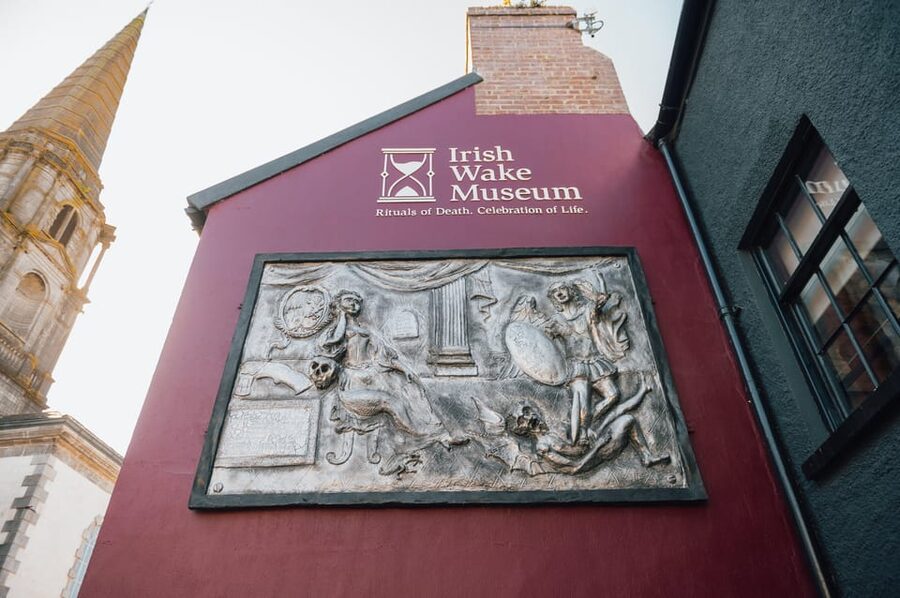
The building matters as much as the displays. This is a 15th-century almshouse, carefully conserved and linked to the subjects of life and death in Waterford across six centuries. Its age gives the tour a sense of place that a modern exhibition hall could not match. You are not simply reading about old customs in an anonymous room. You are hearing about those customs inside a building with its own long connection to care, poverty, illness, and mortality.
I would allow some time before the tour to find the museum in the Viking Triangle and settle in. The guided visit lasts about 40 minutes, though the full booking window is listed as 40 minutes to one hour. Starting times vary, so check availability when you choose your date.
More museums:
- Waterford Treasures: Medieval Museum Admission Ticket
★ 4.5 · 132 reviews - Irish Wake Museum Tour Rituals of Death and Celebration of Life
★ 5.0 · 115 reviews - Waterford Treasures: Medieval Museum Entry Ticket
★ 4.5 · 20 reviews
What the Irish Wake Meant
The Irish wake was not only a funeral ceremony. It was a period of gathering around the dead, with customs shaped by family, faith, local practice, and older beliefs. The museum uses the wake to open a larger conversation about Irish culture.
The tour traces traditions and superstitions from early Christian times through the 20th century. That long span is useful because it shows that funeral customs did not appear fully formed. They changed over time, carried traces of older beliefs, and reflected the religious and social life of the communities that practiced them.
I like this approach because it gives the wake context. You are not shown a collection of gloomy objects without explanation. Instead, the guide helps connect funeral behavior to ordinary people and their ideas about family, community, the body, and the passage from life to death.
The subject can also correct a common misunderstanding. An Irish wake was not simply a sad event in the narrow modern sense. It was a way for people to gather, pay respects, share grief, and take part in a recognized set of customs. The museum’s purpose is to explain those customs rather than reduce them to a theatrical curiosity.
A 40-Minute Guided Visit With a Human Voice
The only scheduled stop is the museum itself. That sounds simple, but it is one of the tour’s strengths. You spend the whole visit with the subject instead of losing time moving between distant rooms or locations.
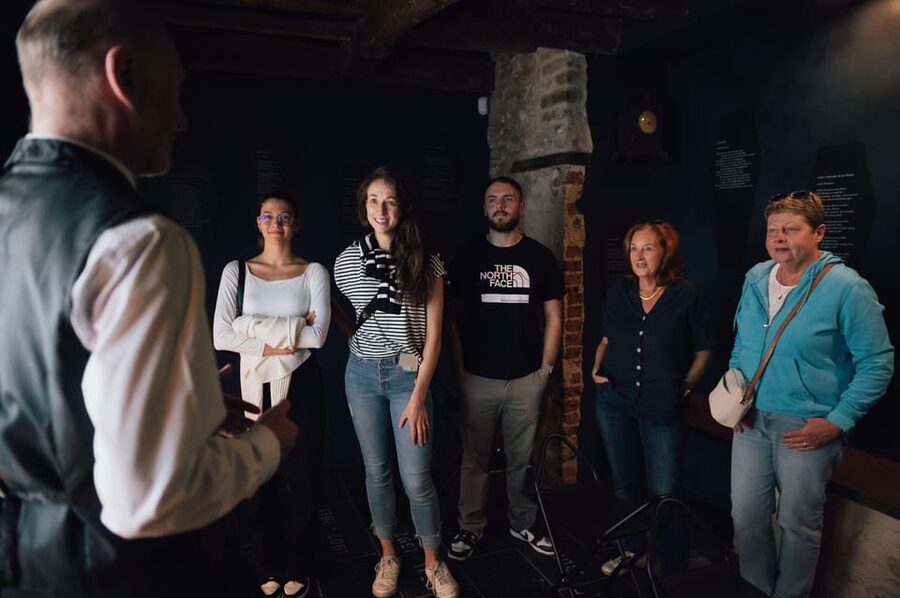
A reenactor-led guide takes you through the museum in English. This format gives you a chance to hear the story in sequence and ask for clarification if a custom or belief seems unfamiliar. The guide also helps connect the building, objects, and historical themes.
The available feedback gives guide Clare special credit, describing her as great. That is a small but useful detail when choosing between a self-guided museum and a live tour. The objects here deal with difficult material, and a good guide can explain it with care, keeping the visit informative rather than merely grim.
The experience is intimate. No large attraction with dozens of rooms is promised here, and you should not expect a full-day museum visit. Instead, you get a focused introduction to a specific part of Irish culture. The short length works well for a city break. You can visit the museum in the morning or afternoon and still have plenty of time for other Waterford sights.
Because the subject is serious, the guide’s tone matters. Clare’s favorable mention suggests the human element can be a real advantage. Still, the available rating of 4.8 comes from only six reviews, so treat it as encouraging rather than a guarantee that every guide or departure will feel identical.
The Death Mask and the Museum’s Physical Displays
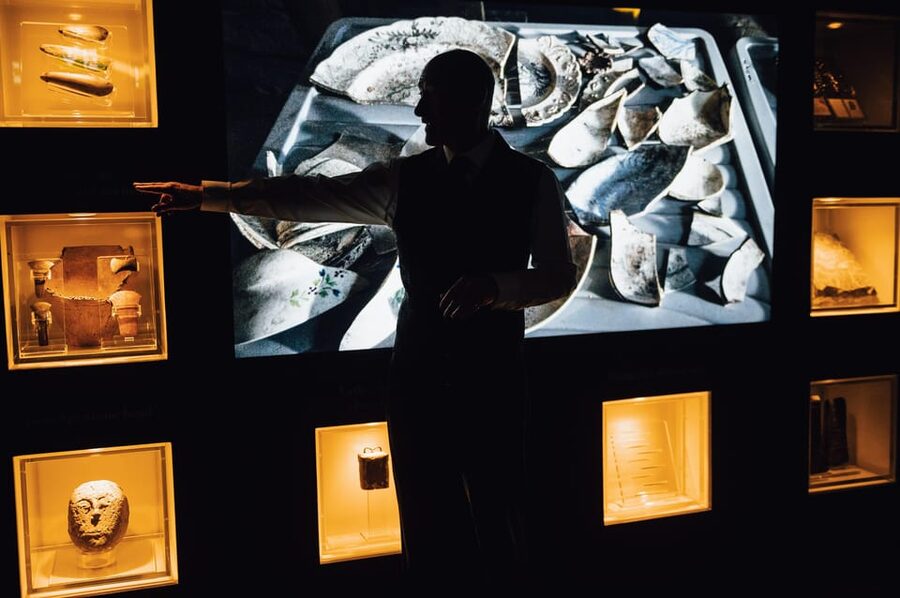
The highlight named most clearly is Ireland’s oldest death mask. That object gives the museum a powerful focal point. A death mask is not an ordinary portrait. It was made in connection with a deceased person, so seeing one can make the historical subject feel much more direct.
You should expect the museum to use realistic depictions of the recently deceased as part of its presentation. This is not a minor warning. The depictions are included to help explain funeral traditions, but they may be distressing, especially for anyone sensitive to images of illness, injury, or death.
The museum is best approached as an interpretive visit rather than a casual stop for a quick photograph. Its objects and setting are there to explain how people understood death and how communities responded to it. If you enjoy social history, religious customs, and the everyday details behind major cultural traditions, this focused subject can be rewarding.
If you prefer light attractions, have young children, or would rather avoid realistic funeral imagery, this is probably not the right museum for you. The age guidance is at least eight years old, but parents should make the decision based on the child, since the topic may upset some older children as well.
A few more trips worth weighing up
- House of Waterford Crystal Guided Factory Tour
★ 4.5 · 2,303 reviews - Skip the Line: Hook Lighthouse Entrance Ticket and Guided Tour
★ 5.0 · 470 reviews - Waterford: House of Waterford Factory Tour
★ 4.8 · 256 reviews - Waterford Treasures: Epic Walking Tour
★ 4.5 · 152 reviews
Why the Historic Setting Adds Value
The almshouse is not just a backdrop. An almshouse was connected with people who needed care and support, which gives the museum’s focus on illness, death, and community response a natural setting.
The supplied information does not give a full architectural history of the building, so I would not book this as a general architecture tour. Its value is in the way the old structure supports the museum’s themes. You are exploring an atmospheric place associated with Waterford’s human story, not simply looking at an attractive old façade.
That distinction matters when you judge the $15 price. You are paying for entry, a live guide, a reenactor-led presentation, and access to the only Wake Museum on the island of Ireland. For a 40-minute visit, the cost is not a bargain in the sense of a full day attraction. Yet the subject is unusually specific, and the guided explanation is central to understanding it.
I see the price as fair if you want a focused cultural stop and value a guide. It is less convincing if you only want to enter an old building or spend several hours in a large museum. The donation of €1 from each admission to the Waterford Hospice Movement adds a practical social benefit to the ticket.
A Short Stop That Fits Waterford Well
The tour starts at Waterford Treasures: Irish Wake Museum and returns to the same place. There is no transport included, but none is needed for the visit itself. The museum is in the Viking Triangle, so you can reach it as part of your walking route through central Waterford.
The compact format makes planning easy. A 40-minute guided tour can fit between meals, other museum visits, or a broader walk through the city. Check the available starting times before you commit to a schedule, since the tour does not promise an open-ended arrival window.
I would avoid booking it as the only reason for a full day in Waterford. Instead, treat it as one carefully chosen stop in the city. The museum offers depth on one theme, while the rest of your day can cover other parts of Waterford’s past.
Since the tour ends where it begins, you do not need to plan a pickup or find your way back across town. Food and drink are not included, but the short duration means that is hardly a drawback. Have lunch or coffee before or after, depending on the time you select.
Who Will Get the Most From This Tour
I would recommend the museum to you if you enjoy the human side of history. It suits people who want to understand customs, beliefs, and community behavior rather than only see grand monuments. It is also a good choice if you are curious about how early Christian traditions and older superstitions shaped later Irish life.
The tour may appeal especially to:
- Adults interested in Irish social and religious history
- Visitors who prefer small, focused museums
- People who enjoy guided interpretation over reading displays alone
- Anyone already exploring Waterford’s Viking Triangle
- Those comfortable with frank discussion of death, illness, and funeral practice
I would be more cautious if you are traveling with children. The minimum recommended age is eight, and the realistic depictions may be upsetting. A child who enjoys history may still find the material difficult.
You should also think carefully about access. The historic building is not suitable for people with limited mobility or wheelchair users. The information does not describe an alternative accessible route, so contact the provider before booking if you have access concerns.
Practical Value at $15
At $15 per person, this is a moderate-cost museum stop. The visit is short, but the ticket covers entry and the guided presentation, not just access to a room of exhibits. The specialist subject also gives it a clear identity that many general history museums lack.
The strongest value comes from the guide. If you only wanted to see the death mask, the price might feel high for a 40-minute visit. If you want an explanation of how the Irish wake developed and what its customs meant, the live format makes the ticket more worthwhile.
The museum’s location improves the value. You do not need a separate transport plan, and the visit can be added to a walking day in central Waterford. The €1 donation to the Waterford Hospice Movement is another positive factor, particularly for visitors who appreciate attractions that support local care.
Free cancellation up to 24 hours before the tour and the option to reserve now and pay later make planning less rigid. These details are useful if your Waterford schedule may change, though you should still check the available start time before building the rest of your day around it.
The Tone: Serious, Respectful, and Not for Everyone
This is not a haunted attraction or a comic look at Irish superstition. The museum deals with death as part of ordinary life and culture. The realistic depictions and discussion of injury and illness are intended to support that subject, not simply to shock you.
That seriousness is a strength if you want a respectful account of the Irish wake. It can also be the main drawback. Some people will find the material emotionally heavy, and the museum openly asks visitors to consider whether it is suitable for themselves and their companions.
I appreciate that warning. It lets you make an informed choice instead of arriving at the door and discovering that the tone is more difficult than expected. If you are unsure, schedule the museum when you have time afterward for a quieter walk or meal rather than placing it immediately before another demanding activity.
The tour is conducted in English, with a live English-speaking guide. No other language option is provided in the available information, so English comprehension is important if you want to follow the explanations.
Should You Book the Irish Wake Museum?
Book this tour if you want a short, unusual, guide-led look at Irish culture in a historic Waterford building. The old almshouse, Ireland’s oldest death mask, and the explanation of wake customs give the visit more substance than its brief length suggests. I especially like it for adults who want local social history and for anyone already walking through the Viking Triangle.
Think twice if you are sensitive to realistic images of the deceased, are traveling with children under eight, or need wheelchair access. The $15 price is reasonable for the setting and live presentation, but it is not the best choice if you want a broad museum or a long activity.
For the right audience, this is a memorable 40-minute stop with a clear purpose. It treats the Irish wake as a serious part of community life, and guide Clare’s praised performance shows how much the quality of the presentation can shape the visit.
FAQ
Where is the Irish Wake Museum located?
The museum is in the heart of Waterford’s Viking Triangle at Waterford Treasures: Irish Wake Museum.
How long does the guided tour last?
The guided tour lasts about 40 minutes. The overall activity is listed as lasting between 40 minutes and one hour, depending on the departure time and availability.
What is included in the ticket?
The ticket includes entry to the Irish Wake Museum and a reenactor-led guided tour in English.
Is transportation included?
No. Transportation is not included, but the tour starts and ends at the museum.
Is the tour suitable for children?
The experience is not suitable for children under eight years old. The museum also includes discussion of death, illness, injury, and realistic depictions of recently deceased people.
Is the museum accessible to wheelchair users?
No. The tour is not suitable for visitors with limited mobility or wheelchair users because of the nature of the historic building.
Can I cancel the booking?
Yes. You can cancel up to 24 hours in advance for a full refund. You can also reserve now and pay later.
Just added around Waterford
- Waterford: Mount Congreve Gardens Entry Ticket★ 5.0 · 7 reviews
- Semi Private tour Rock of Cashel – Cahir castle & Kilkenny★ 3.5 · 9 reviews
- Waterford, Kilkenny and House of Waterford Crystal★ 4.0 · 12 reviews
- Full day Private Tour from Waterford★ 4.5 · 14 reviews
- Irelands Ancient East Waterford Greenway Cycle Tours & Bike Hire★ 3.5 · 16 reviews
- Waterford Treasures: Medieval Museum Entry Ticket★ 4.5 · 20 reviews
- Waterford Treasures: Walking Tour of the Viking Triangle★ 4.7 · 43 reviews
- Waterford Treasures: Bishop’s Palace★ 4.5 · 53 reviews
Museums, compared.

The Little Museum of Dublin Famous Guided Tour
Read our review →

Giant’s Causeway with the Titanic Exhibition and the best of Northern Ireland
Read our review →

Irish Whiskey Museum: Whiskey Blending Experience
Read our review →
Irish Whiskey Museum Blending Tour with Tastings
Read our review →Browse the lists this tour appears in