
Reviewed · FOOD & DRINK
Oyster Farm and Tasting Experience
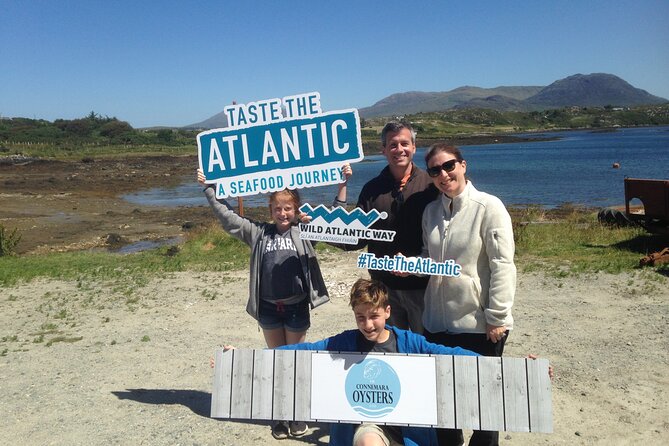
Oysters taste better beside the bay. This Clifden outing trades city sightseeing for a working farm at the foot of Connemara National Park. I like the hands-on farm tour and the chance to meet oyster farmers such as Sinead and David, who clearly care about their work. I also like that children aged six and up can take part, even when Irish weather is being difficult.
The main drawback is the short running time. At about 1 hour and 15 minutes, this is a focused visit rather than a half-day farm adventure. You also need to watch the weather and remember that oysters are shellfish allergens. If you miss the start or cancel inside 24 hours, you will not receive a refund.
In This Review
- Key points to know before you book
- Arriving at Dawros Beg near Clifden
- Seeing oyster farming as daily work
- Meeting Sinead or David
- Learning to shuck your own oyster
- The first oyster and the changing flavor
- Views at the foot of Connemara National Park
- Is $54.06 a fair price?
- Pairing the farm with Kylemore Abbey
- Practical details that affect your choice
- Who should book the oyster farm?
- Should you book the Dawros Beg oyster experience?
- FAQ
- Where does the oyster farm experience begin?
- What time does the tour start?
- How long does the experience last?
- Can I shuck my own oyster?
- Are oysters included in the tasting?
- What happens if bad weather cancels the activity?
Key points to know before you book
- From seed to plate: You follow the oyster’s journey through farming, grading, packing, and preparation.
- Fresh shucking lesson: A demonstration shows you how to open an oyster, with the option to shuck one yourself.
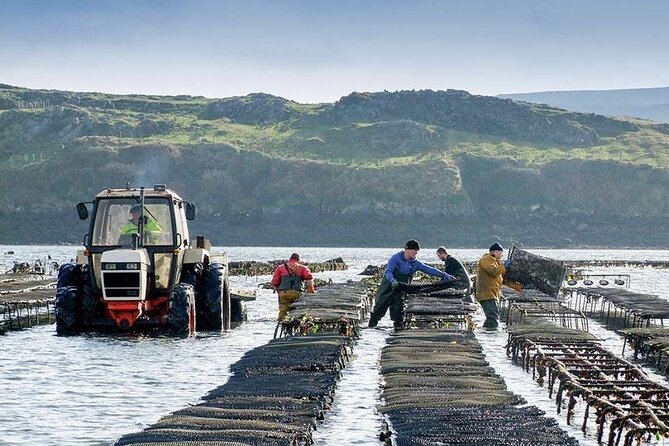
- A working farm, not a staged display: You may see the team turning bags in the bay or handling oysters for shipment.
- Near Connemara’s best sights: The farm is about 15 minutes by car from Kylemore Abbey, making it easy to pair with a day in the area.
- A tasting with character: The oysters are described as sweet, creamy, and slightly earthy, with about five or six oysters often offered per person.
- Small enough to feel personal: The maximum group size is 30, though a full group will feel less intimate than a smaller one.
Arriving at Dawros Beg near Clifden
The meeting point is at Dawros Beg, County Galway, postcode H91 AC6K. The activity begins at 11:00 a.m. and returns you to the same place, so you do not need to arrange a second pickup point.
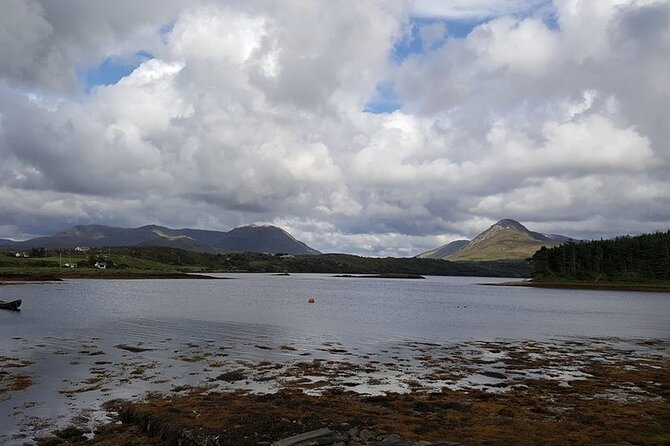
This location matters because the farm is not an indoor food attraction in town. It sits in a coastal setting beneath Connemara National Park, where the scenery is part of the visit. You get the Atlantic air, broad views, and a sense of the setting in which the oysters are raised.
Give yourself enough time to reach the farm. The information provided does not include a transfer from Clifden, so you need to make your own way to Dawros Beg. If you are planning to visit Kylemore Abbey, the farm is around a 15-minute drive away, making the two stops a natural pairing.
The setting also means you should prepare for changeable weather. This activity requires good weather, and poor conditions can lead to a different date or a full refund. That is sensible for a farm visit involving work in the bay, but it means you should avoid building a tightly packed schedule around it.
More Food Tours in Galway
- Walking and Tasting Tour of Galway City
★ 5.0 · 283 reviews - Galway: Food and Culture Walking Tour with Tastings
★ 4.7 · 127 reviews - Galway Food Tour
★ 4.9 · 70 reviews
Seeing oyster farming as daily work
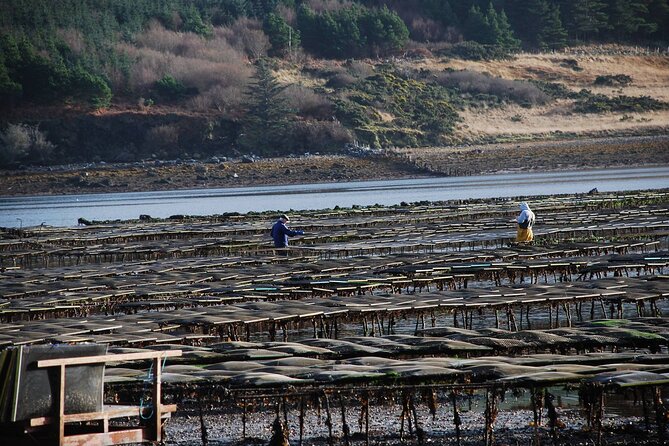
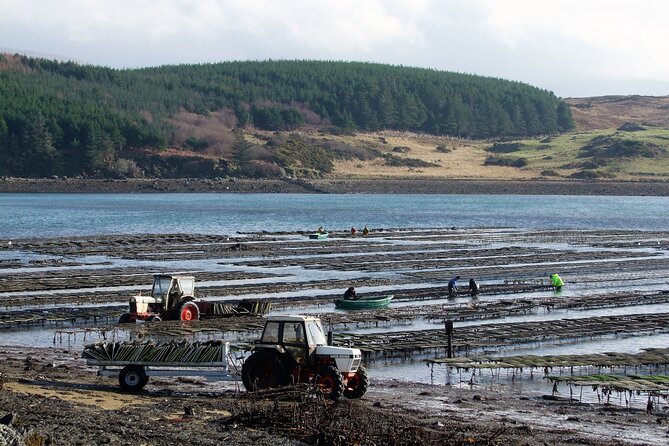
The best part of the visit is that you are not simply shown a tray of oysters and given a short talk. The tour explains the farming process from seed to plate, giving you a practical look at how the shellfish reaches your table.
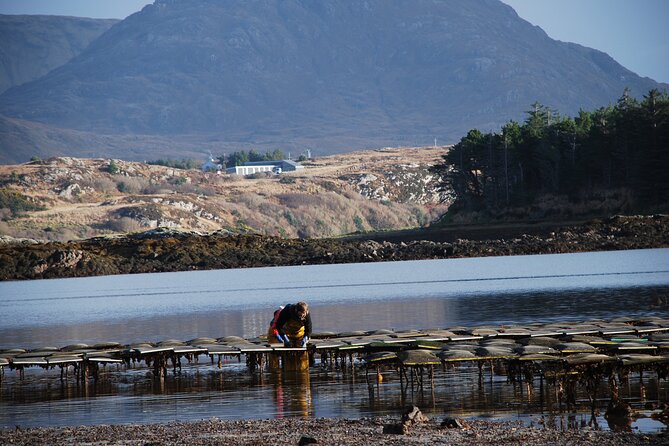
You might see the team grading oysters, packing them, or turning bags in the bay. These jobs may sound simple, but they help you understand that oyster farming is regular physical work shaped by tides, water conditions, handling, and timing.
I like this direct connection between food and place. In a restaurant, an oyster arrives on ice and can seem almost effortless. At the farm, you see the work behind that single shell. The experience makes the tasting more meaningful because you have watched the steps that come before it.
The visit also shows how the farm works with its natural surroundings. One especially appealing detail is the farm’s relationship with nature rather than a message of forcing production at any cost. You get a better sense of why the bay matters and how the farm fits into the coastal environment.
The farm may be active while you are there, with staff carrying out grading or packing. That is a strength, but it also means the exact view of the work can vary from one visit to another. This is a real working operation, not a performance with every step timed for an audience.
Meeting Sinead or David
The people leading the visit make a big difference, and two names come through strongly: Sinead and David. Sinead has been praised for explaining the process clearly and for helping first-time oyster eaters feel at ease. David brings strong enthusiasm for the business and the work behind it.
That personal element suits this kind of activity. Oyster farming can sound technical if it is reduced to industry terms, but a farmer explaining the routine in front of the bay gives the subject a human scale. You can ask questions, see the equipment, and connect the finished food with the people producing it.
The tone appears friendly rather than formal. I would expect the strongest moments to come from the small explanations: why oysters taste different, what happens during grading, how bags are handled, and why the farm follows the rhythm of the bay.
Since the maximum group size is 30, the visit can accommodate families and larger holiday groups. A group of that size may feel less personal than a very small tour, especially during the shucking demonstration. Still, the working-farm format gives you something to look at instead of relying only on conversation.
Learning to shuck your own oyster
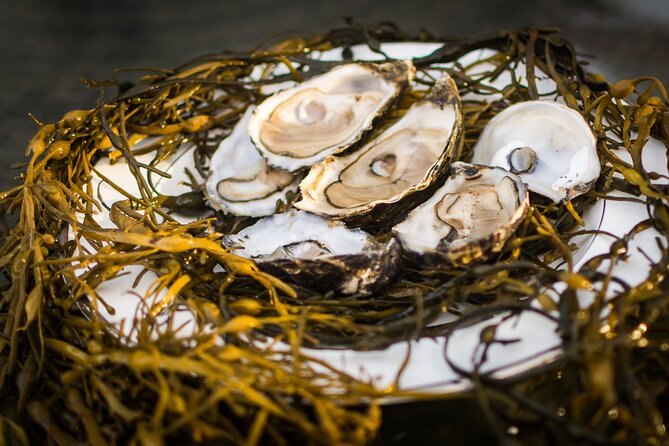
After the farm tour, the focus shifts from production to eating. The team demonstrates how to shuck an oyster, opening the shell safely and preparing it for tasting.
You can then try shucking one yourself if you feel adventurous. This is a useful choice because not everyone arrives ready to handle a sharp oyster knife. You can watch the demonstration, taste the oysters, and decide how involved you want to be.
If you do try it, listen closely to the instructions. The supplied information does not spell out the protective equipment or exact method used, so follow the guide’s directions rather than rushing to pry open the shell. The point is to enjoy the process, not to win a speed contest.
For children aged six and up, the activity can add variety to a day of sightseeing. Kids can see the farm, watch the demonstration, and take part at their own comfort level. Parents should keep in mind that oysters are an allergen and that the experience is built around tasting shellfish, not simply looking at it.
A completely different kind of day out from Galway:
- Galway to Cliffs of Moher, Aillwee Cave & Dunguaire Castle Tour
★ 5.0 · 3,058 reviews - From Galway: Full-Day Cliffs of Moher & Burren Guided Tour
★ 4.8 · 2,815 reviews - Galway to Inisheer Aran Islands, Cliffs of Moher and Boat Trip
★ 5.0 · 2,517 reviews - From Galway: Aran Islands and Cliffs of Moher Tour & Cruise
★ 4.8 · 2,283 reviews
The first oyster and the changing flavor
The tasting is the reward at the end of the visit. For someone trying oysters for the first time, the first bite may be surprising. The flavor has been described as an explosion at first, followed by a sweeter, creamier, earthier character as your palate adjusts.
That progression is worth paying attention to. You may not love the first oyster immediately, and that does not mean the tasting has failed. The second and third can make more sense as you become familiar with the texture and briny flavor.
Lemon is a useful addition if you are new to oysters. It can brighten the taste and make the first attempt easier. At the same time, try one without lemon if you can. The plain oyster gives you a better idea of the farm’s own flavor.
The tasting may include roughly five or six oysters per person. That is enough for you to notice differences in your reaction without turning the visit into a large meal. If you want a full lunch afterward, plan one separately.
I value this part because it asks you to slow down and notice what you are eating. The flavor is not described as merely salty. Sweetness, creamy notes, and a touch of earthiness give you useful words for comparing the oysters with those you may find elsewhere.
Views at the foot of Connemara National Park
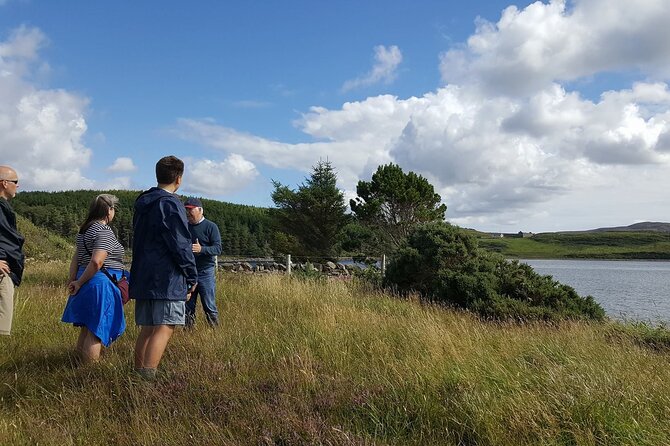
The scenery gives this short activity much of its appeal. The farm sits at the foot of Connemara National Park, with views toward Ireland’s wild Atlantic coast.
This is not a separate sightseeing stop with a long walking route. Instead, the views frame the farm work and make the setting part of the story. You are looking across the same coastal environment that shapes the oysters, so the location feels relevant rather than decorative.
Weather can change the mood quickly. On a clear day, the Atlantic views should be a major part of the visit. On a wet or windy day, you may spend more attention on the farm process and tasting. The activity is promoted as suitable for children even on a bad weather day, but the weather requirement means severe conditions can still force a cancellation.
Wear clothing suited to the coast and bring a waterproof layer. The provided details do not promise indoor shelter or a specific dress code, so it is best to be ready for time outside. Practical clothing will help you focus on the experience instead of worrying about the forecast.
Is $54.06 a fair price?
At $54.06 per person, this is not the cheapest way to spend 75 minutes in Connemara. The value depends on what you want from your day.
You are paying for more than a seafood sample. The price includes access to a working farm, an explanation of the growing process, contact with the people doing the work, an oyster-shucking demonstration, and a tasting in a striking coastal setting.
I think the cost is easier to justify if you are curious about food production or have never visited an oyster farm. It is also a good fit if you want something different from abbeys, castles, and scenic drives. The visit gives your itinerary a local food focus and a more direct connection with the coast.
The value is less convincing if you dislike shellfish, want a long activity, or expect a full meal. The duration is short, and the central feature is tasting oysters. You should not book simply because the farm is close to Kylemore Abbey if you have no interest in eating oysters.
For a family, the price can add up quickly. The children’s age guidance begins at six, so check that every child in your party is comfortable with the food and the farm setting. The experience may be memorable for a child who enjoys seeing how food is made, but it will not suit every young eater.
Pairing the farm with Kylemore Abbey
The farm is about 15 minutes by car from Kylemore Abbey, which makes it a practical addition to a Connemara day. You could place the 11:00 a.m. farm visit before or after time at the abbey, depending on your wider plans.
Do not treat the two attractions as if they are one combined tour. This activity ends back at Dawros Beg, and no transport between the farm and Kylemore Abbey is included in the supplied details. You need to plan your own route.
The pairing works because the two stops offer different kinds of interest. Kylemore Abbey gives you architecture and gardens, while the oyster farm shows a living coastal trade. Together, they create a fuller picture of the area than another stop at a scenic viewpoint would.
Allow breathing room around the farm appointment. The tour itself lasts about 1 hour and 15 minutes, but your schedule should also allow time to arrive and continue to the next stop. Since the start time is fixed at 11:00 a.m., a late arrival could cost you part of a short activity.
Practical details that affect your choice
Confirmation arrives at booking, and the experience is offered in English. A mobile ticket makes it easy to keep the booking on your phone, though you should make sure you can access the details before setting out.
Most people can participate, and service animals are allowed. The maximum group size is 30. No special mobility information is provided, so if you have specific access needs, contact the provider, DK Connemara Oysters, before booking.
The cancellation terms are strict close to the start. You can cancel for a full refund up to 24 hours before the experience, but cancellations or changes made less than 24 hours ahead are not accepted and will not be refunded. This matters if you are driving a long distance or planning around uncertain weather.
The provider can cancel if the weather is poor or if the minimum number of participants is not reached. In those cases, you receive the choice of another date or experience, or a full refund. That protection helps, but you should still avoid making nonrefundable plans that depend on the farm operating.
Who should book the oyster farm?
I would choose this activity if you want a short, local experience with a strong sense of place. It suits food lovers, curious families, first-time oyster eaters, and anyone who likes meeting producers rather than only visiting finished attractions.
It is especially useful during a Connemara road trip. The location near Kylemore Abbey lets you add a working farm to a day that might otherwise focus only on scenery and historic buildings.
I would skip it if you have a shellfish allergy, do not want to taste oysters, or need an activity that runs for several hours. I would also think twice if your schedule cannot absorb a weather change or a strict 24-hour cancellation rule.
Should you book the Dawros Beg oyster experience?
Book it if the idea of seeing oysters move from seed to plate sounds more interesting than another standard sightseeing stop. The combination of farm work, shucking, tasting, and Atlantic views gives you a genuine connection to Connemara’s coast.
The strongest reasons to go are the personal guidance from Sinead or David, the chance to see the team working, and the tasting itself. The main cautions are the short duration, shellfish allergen, weather dependence, and price for a little over an hour.
For the right audience, this is a memorable addition to a Kylemore Abbey and Connemara itinerary. You leave with a better understanding of oyster farming and, perhaps, a new appreciation for what is inside that hard shell.
FAQ
Where does the oyster farm experience begin?
The activity begins at Dawros Beg, County Galway, Ireland, postcode H91 AC6K.
What time does the tour start?
The start time is 11:00 a.m.
How long does the experience last?
The activity lasts approximately 1 hour and 15 minutes.
Can I shuck my own oyster?
Yes. The team demonstrates how to shuck an oyster, and you can try shucking one yourself if you feel adventurous.
Are oysters included in the tasting?
Yes. The experience includes an oyster tasting after the farm tour and shucking demonstration.
What happens if bad weather cancels the activity?
If poor weather causes a cancellation, you will be offered a different date or experience, or a full refund.
More Farms
- Sheepdog herding demo on working sheep farm. Galway. Guided.
★ 4.8 · 25 reviews - Connemara Sheep Farm experience & Kylemore Abbey by Lux Limousine
★ 5.0 · 7 reviews - Abalone farm tour and tasting with coastal seaweed walk. Guided. 2 hours
★ 5.0 · 4 reviews - Visit traditional working sheep farm with sheepdog demo. Galway.
★ 5.0 · 75 reviews
Just added around Galway
- Galway’s Historical Gems: A Walk Through Time★ 5.0 · 3 reviews
- Connemara/Galway: Inis Meáin Return Ferry Transfer★ 4.7 · 3 reviews
- Galway: HerGalway Walking Tour★ 5.0 · 3 reviews
- Galway: Medieval Galway Tour★ 4.7 · 3 reviews
- From Galway: Cliffs of Moher and The Burren Tour★ 5.0 · 3 reviews
- 2.5 Hour Guided Sea Kayaking in Roundstone Bay★ 5.0 · 3 reviews
- Galway Tasting and Walking Tour★ 5.0 · 3 reviews
- Ferry ticket – Day return ticket to Inishbofin Island from Cleggan. Self Guided.★ 5.0 · 3 reviews
Food & Drink, compared.

Dublin Jameson Distillery Bow St. Tour and Tasting 45 mins
Read our review →
Dublin Teeling Whiskey Distillery Guided Tour and Tasting 1 Hour
Read our review →
Dublin Historical Centre Food Tour with 8 Food Tastings & Drinks
Read our review →


Cork Midleton DistilleryJameson Experience & Whiskey Tasting
Read our review →

Food on Foot: Dublin Street Food Tour with Local Guide
Read our review →Browse the lists this tour appears in