
Reviewed · NEWGRANGE & BOYNE VALLEY TOURS
Dublin: Boyne Valley with Newgrange and Bru Na Boinne Entry
Ancient Ireland is closer than you think. This $96 day trip from Dublin packs Newgrange and Bru Na Boinne entry into a well-planned visit to the Boyne Valley, then adds the Battle of the Boyne Visitor Centre and Monasterboice. I like the mix of prehistoric monuments, political history, and quiet countryside. I also like that the ride back to Dublin arrives around late afternoon, leaving you time for dinner or music in the city. The main drawback is a limited lunch setup, since food and drinks are not included and the Newgrange visitor center may not satisfy picky eaters.
Your guide makes a big difference here. Matt, Kevin, Richard, and other Hilltoptreks guides have earned praise for clear storytelling, good timing, humor, and safe driving. Newgrange is the star, but Knowth, the Battle of the Boyne site, and Monasterboice give the day more range than a single monument visit.
In This Review
- Key points to know before booking
- Why the Boyne Valley deserves a full day
- Meeting the minibus on Suffolk Street
- Newgrange and Bru Na Boinne: the main event
- Lunch and the practical side of Bru Na Boinne
- The Battle of the Boyne Visitor Centre and 1690
- Monasterboice and the high crosses
- The guide can make or break the day
- Timing, pace, and group comfort
- Who will get the most from this tour
- Is $96 a fair price?
- Should you book the Boyne Valley day trip?
- FAQ
- Where does the tour meet in Dublin?
- Where does the tour end?
- How long does the experience last?
- Is Newgrange entry included?
- Can I visit Knowth all year?
- Are food and drinks included?
- What should I bring?
Key points to know before booking
- Newgrange predates Stonehenge: Enter a Neolithic passage tomb built more than 5,000 years ago, with links to ancient ceremony, religion, and the sun.
- Bru Na Boinne adds Knowth: The guided archaeological visit normally includes both major monuments, but Knowth is not accessible from November 1 through March 1.
- Your guide fills the road time well: Matt, Kevin, and Richard have been praised for stories, historical context, humor, and clear instructions.
- The Battle of the Boyne adds difficult history: Learn how the 1690 battle affected Ireland, Britain, Europe, and later divisions in Northern Ireland.
- Monasterboice is brief but worthwhile: You get a look at a 28-meter round tower and the remarkable tenth-century high crosses.
- Plan for an eight-hour day: Meet at the Molly Malone statue on Suffolk Street, then return to the same spot, usually around 5:00 PM.
Why the Boyne Valley deserves a full day
The Boyne Valley follows the River Boyne through Counties Meath and Louth before reaching the sea near Drogheda. It is one of the best places in Ireland to see how several layers of the country’s past sit close together.
The oldest layer belongs to the Neolithic people who built the great passage tombs. Later came Celtic beliefs and customs, medieval monasteries, and the political and religious conflict that shaped Ireland after the Battle of the Boyne in 1690.
I like this route because it does not treat Irish history as one long story with a single theme. You move from prehistoric astronomy to medieval stonework, then to a battle tied to the British throne and the later troubles of Northern Ireland. The green hills between stops help connect the sites without making the day feel like a string of unrelated attractions.
The $96 price includes transportation, a live English-speaking guide, and entrance fees with skip-the-queue access at Newgrange and Bru Na Boinne. That is solid value if you want to see several important sites without arranging buses, admission, and timing yourself.
More Newgrange and Boyne Valley tours:
- Celtic Boyne Valley & Ancient Sites Day Tour From Dublin
★ 4.5 · 865 reviews - From Dublin: Celtic Boyne Valley and Ancient Sites Tour
★ 4.5 · 618 reviews - Dublin to Newgrange, Monasterboice Small Group Guided Tours
★ 4.5 · 500 reviews
Meeting the minibus on Suffolk Street
The day begins at the Molly Malone statue on Suffolk Street. You are asked to arrive 10 minutes before departure and look for a small white minibus marked with the Hilltoptreks sign.
This is a central Dublin meeting point, but give yourself enough time to find the statue and identify the correct vehicle. A small minibus can be easier to miss than a large tour coach, especially around a busy city center.
The first drive takes about an hour. This is not wasted time. The guides use the journey to explain Irish history and set up what you will see at the monuments. Matt has been especially praised for creating a clear sense of place through stories on the road, while Kevin has been noted for keeping the schedule moving without making the day feel rushed.
The vehicle is also your base between stops, so comfortable shoes and an umbrella are sensible choices. Irish weather can change quickly, and several stops involve walking outdoors across open ground.
Newgrange and Bru Na Boinne: the main event
The main visit lasts about three hours, including the visitor center, guided tours, sightseeing, and time for photographs. This is the section that gives the trip its real weight.
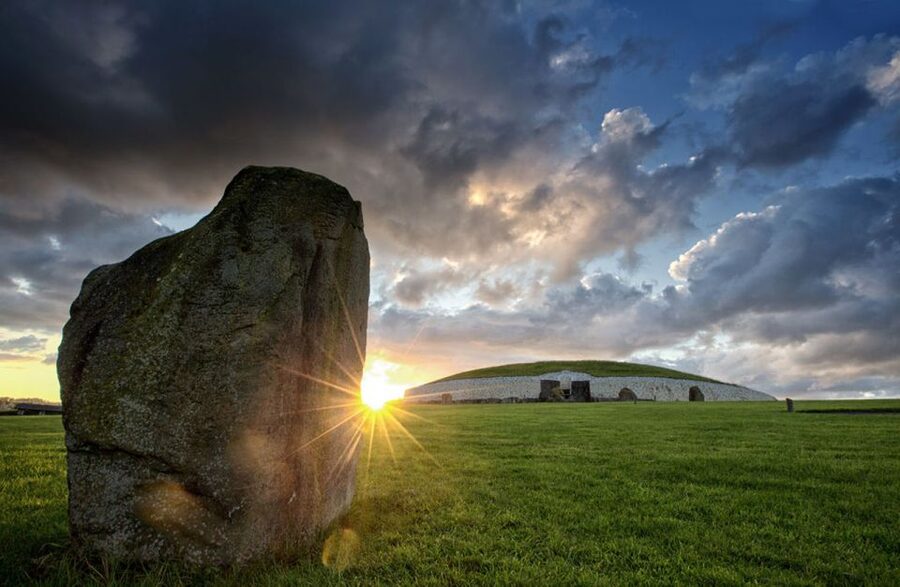
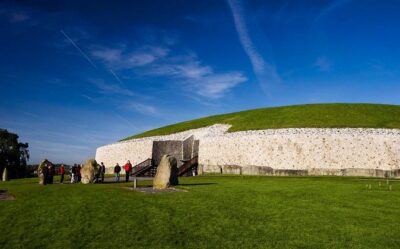
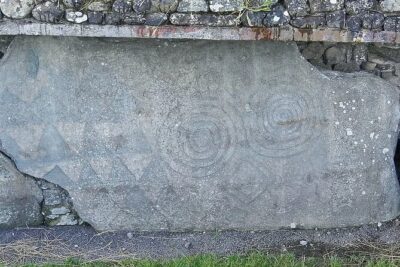
Newgrange is a passage tomb built more than 5,000 years ago. That places it before the pyramids of Giza and Stonehenge, a fact that can feel almost absurd when you are standing in front of its huge stone facade.
The monument was not simply a burial place. Its design points to astrological, religious, and ceremonial purposes. The passage and inner chamber are aligned with the rising sun at the winter solstice, when sunlight reaches deep inside the tomb. The tour also includes an example of this light effect, which helps you understand the engineering and planning behind the site.
Inside, expect a guided experience rather than a free wander. The passage is narrow, and the visit focuses on the construction, symbols, and meaning of the monument. If you dislike enclosed spaces, keep that in mind before booking.
Bru Na Boinne is the visitor complex and archaeological area that includes Newgrange and Knowth. Knowth is a major part of the experience during the accessible season. It is known for its ancient passage tomb and carved stones, and seeing it alongside Newgrange gives you a better sense of the scale and skill of the people who built these sites.
The seasonal detail matters. From November 1 through March 1, Knowth is not accessible, so the Bru Na Boinne portion is shorter. Newgrange remains the essential stop, but the winter version does not offer the full two-monument experience.
The included entry and skip-the-queue access are useful here. Admission is already covered, and you avoid having to manage separate tickets at one of Ireland’s most visited historic sites. The official site guides also contribute to the visit, while your Hilltoptreks guide handles the wider context and timing.
Lunch and the practical side of Bru Na Boinne
Food and drinks are not included, so you need to budget for lunch or bring something with you. The Newgrange visitor center has food available, but the choice may feel limited, and the quality may not suit every taste.
I would treat lunch as a practical break rather than a highlight of the day. If you are particular about food, bring a snack and use the stop to refuel instead of relying entirely on the visitor center. You may also want to ask your guide early about the timing of the break, since the schedule is built around timed site visits.
Clean facilities and a pleasant visitor center help, but the important point is simple: the archaeology is the reason to come, not the cafe. Keep your expectations modest and the meal will not distract from the excellent main attraction.
A few more trips worth weighing up
- Dublin to Cliffs of Moher, including Wild Atlantic Way and Galway
★ 5.0 · 23,331 reviews - From Dublin: Cliffs of Moher, Burren & Galway City Day Tour
★ 4.8 · 18,888 reviews - Dublin: Guinness Storehouse Entry Ticket
★ 4.6 · 16,863 reviews - Dublin to Cliffs of Moher, Burren, Wild Atlantic Way, Galway Tour
★ 5.0 · 12,924 reviews
The Battle of the Boyne Visitor Centre and 1690
After Bru Na Boinne, the minibus drives about 15 minutes to the Battle of the Boyne Visitor Centre. The stop lasts roughly an hour, although the broader description of the visit allows about 1.5 hours, so exact timing can vary.
The Battle of the Boyne took place in 1690. It was fought between the Catholic King James II and William of Orange, the Protestant King of Holland, over the English throne. The result mattered not only in Ireland but also in Britain and Europe.
This is an important stop because the battle helps explain later political and religious divisions on the island. It also connects with the annual July 12 celebrations of the Loyalist community in Northern Ireland.
You will get more than a basic battlefield explanation. The site helps show how the battle contributed to the displacement of Irish Catholics and the weakening of Gaelic culture and political power. That history is painful and politically charged, so a clear guide matters. Matt and Kevin have both been praised for explaining Irish history in a way that is informative without turning the ride into a lecture.
Compared with Newgrange, the visitor center is less mysterious and more interpretive. Some people may find it less dramatic than the prehistoric tombs. Still, I think it earns its place because it gives you the political background needed to understand much of modern Irish history.
Monasterboice and the high crosses
The final major stop is Monasterboice, reached after about 20 minutes on the road. The visit lasts around 30 to 45 minutes, depending on the day’s timing.
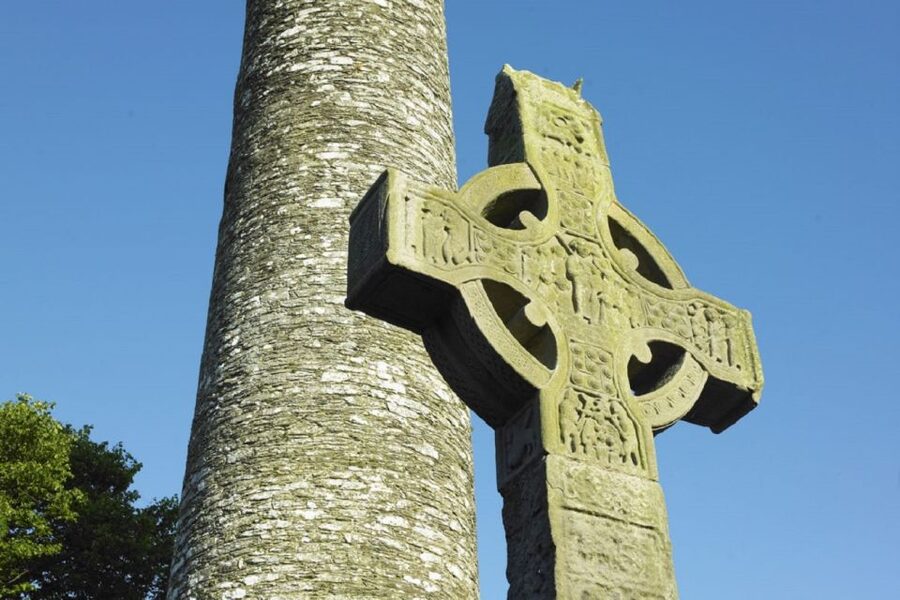
Monasterboice means the monastery of Buithe. St Buithe founded the fifth-century monastic site, which later included two churches built in the fourteenth century, a round tower, and three tenth-century high crosses.
The round tower rises about 28 meters and remains in very good condition. It was probably built soon after 968 and was damaged by fire in 1098. These towers are among Ireland’s most recognizable medieval structures, and this one gives you a strong sense of the scale of an early Irish religious settlement.
The three high crosses are the main reason to stop. Their carved scenes come from the Old and New Testaments, forming a kind of stone picture book for a largely non-literate medieval audience.
Muiredach’s High Cross is the prize. At 5.5 meters, it is often regarded as the finest high cross in Ireland. It is named for Muiredach mac Domhnaill, an abbot who died in 923. Take a close look at the biblical carvings and give yourself enough time to notice the figures, panels, and decorative patterns.
This stop is short, so you will not have time for a slow archaeological study. Still, it is a good final contrast after Newgrange and the Battle of the Boyne. The setting is open and atmospheric, and the stonework is easy to appreciate even if you are new to Irish medieval art.
Some schedules have included Mellifont Abbey as well, but the stated route for this experience lists Monasterboice. Do not assume an extra abbey stop is guaranteed.
The guide can make or break the day
The strongest part of this experience, apart from Newgrange itself, is the guiding. Matt has been praised for detailed briefings, patience with large groups, humor, and the ability to explain a site without making you feel herded from one point to the next.
Kevin has received similar praise for managing the timing, driving safely, and telling excellent stories. Richard has been noted for kindness, clear instructions, and a strong command of Irish history and local curiosities.
You are not simply hiring a driver to move between monuments. The road sections become part of the tour. Good commentary gives you a framework for the ruins and helps explain why the Boyne Valley mattered to different societies over thousands of years.
The experience is still dependent on the guide assigned to your departure. A tour like this works best when the guide balances information with quiet time, and the strongest accounts describe exactly that balance. You can expect plenty of history, but you should also have room to look around and enjoy the countryside.
Timing, pace, and group comfort
The advertised duration is eight hours, with the usual return to the Molly Malone statue around 5:00 PM. Some departures have returned closer to 4:30 PM, while a late start or delay can shift the schedule.
The route includes roughly one hour to the Boyne Valley, a three-hour Newgrange and Bru Na Boinne visit, a short drive to the Battle of the Boyne site, another short drive to Monasterboice, and the return to Dublin. It is a full day, but not one of the very long excursions that keeps you out until evening.
That earlier return is useful if you have only a short stay in Dublin. You can still have time for a pub meal, live music, or an evening walk around the city.
The pace is active but manageable. You need to walk outdoors at Newgrange and Monasterboice, and you should wear comfortable shoes. An umbrella belongs in your day bag even if the morning looks bright.
A delayed departure does not automatically ruin the day. The schedule can be adjusted, and the guides have managed to reach the planned stops after a late start. Still, you should avoid booking a tight evening commitment immediately after the stated return time.
Who will get the most from this tour
I would recommend this trip to anyone who wants ancient Ireland but also wants a wider account of the country’s past. It suits first-time visitors who do not have a car, history fans, and anyone who prefers a guide to explain what they are seeing.
It is especially good for:
- People fascinated by prehistoric monuments and ancient astronomy
- Visitors who want a full day outside Dublin without spending the whole day on the road
- Anyone interested in the political roots of later Irish conflict
- Couples, families, and solo visitors who value a small minibus setting
- People who prefer organized transport and included admissions
It may be less suitable if you want long, unstructured time at each location. Monasterboice is a quick stop, and the main Newgrange visit follows a set schedule. You should also think twice if a narrow passage or changeable outdoor weather would make the day uncomfortable.
Is $96 a fair price?
At $96 per person, I consider the tour good value. The price covers transport from Dublin, the live guide, and admission to Newgrange and Bru Na Boinne, including skip-the-queue access. You are also getting four distinct historical settings in one day.
The value is strongest when you compare it with the hassle of arranging the route yourself. The Boyne Valley sites are spread out, and you would need to coordinate transportation, opening times, admission, and the return journey. A well-run day trip removes that work.
The price does not include lunch or drinks. Set aside extra money for food, or bring a snack. That small planning step can improve the day, especially if the visitor center food is not to your taste.
Free cancellation up to 24 hours before departure and the reserve-now, pay-later option also make the booking less rigid. Those terms are useful when your Dublin plans may change.
Should you book the Boyne Valley day trip?
I would book this tour if you want Newgrange but do not want to rent a car or build a complicated County Meath itinerary. The prehistoric tomb is the clear highlight, and the included Knowth visit during the accessible season makes the archaeological portion even better.
Book with realistic expectations. You are getting a tightly timed day, not a private archaeological expedition. Lunch is basic, Monasterboice is brief, and Knowth is unavailable from November 1 through March 1.
For most visitors, the combination is hard to beat: Newgrange for ancient mystery, the Battle of the Boyne for political context, and Monasterboice for medieval art. Add a strong guide such as Matt, Kevin, or Richard, and the drive from Dublin becomes a useful part of the experience rather than dead time.
FAQ
Where does the tour meet in Dublin?
Meet at the Molly Malone statue on Suffolk Street 10 minutes before departure. Look for a small white minibus with the Hilltoptreks sign.
Where does the tour end?
The tour returns to the Molly Malone statue meeting point in Dublin.
How long does the experience last?
The advertised duration is eight hours. The usual return time is around 5:00 PM, though some departures may arrive earlier or experience timing changes during the day.
Is Newgrange entry included?
Yes. Transportation, guides, entrance fees, and skip-the-queue access to Newgrange and Bru Na Boinne are included.
Can I visit Knowth all year?
No. Knowth is not accessible from November 1 through March 1, so the Bru Na Boinne visit is slightly shorter during that period.
Are food and drinks included?
No. Food and drinks are not included in the tour price.
What should I bring?
Bring comfortable shoes and an umbrella. The itinerary includes outdoor sightseeing at Newgrange and Monasterboice, and Irish weather can be changeable.
Just added around Dublin
- A Self Guided Walking Tour of Dublin’s Docklands★ 4.5 · 3 reviews
- Waterford Crystal and Kilkenny Full-Day Rail Tour from Dublin★ 5.0 · 3 reviews
- Secret and unusual Dublin: guided walking tour★ 5.0 · 3 reviews
- Turtle Bunbury’s Dublin: A Self-Guided Audio Tour from a Celebrated Author★ 5.0 · 3 reviews
- Cliffs of Moher and The Burren Private Tour from Dublin★ 5.0 · 3 reviews
- Skip-the-line St. Patrick’s Cathedral and Dublin City Tour★ 5.0 · 3 reviews
- Dublin Full-Day Tour through Boyne Valley★ 5.0 · 3 reviews
- Rock Of Cashel And Blarney Castle Private Chauffeur Full Day Sightseeing Tour★ 4.5 · 3 reviews
Newgrange & Boyne Valley Tours, compared.
Celtic Boyne Valley & Ancient Sites Day Tour From Dublin
Read our review →
Dublin to Newgrange, Monasterboice Small Group Guided Tours
Read our review →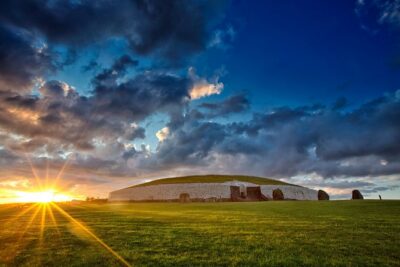
6 hour Half-Day Award Winning Private Tour of the Boyne Valley
Read our review →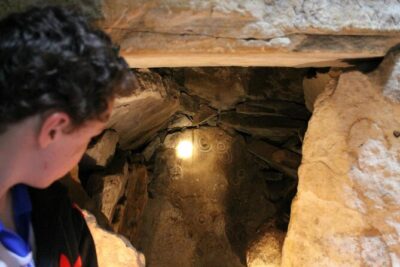
Full-Day Irelands Ancient Boyne Valley Private Guided Tour
Read our review →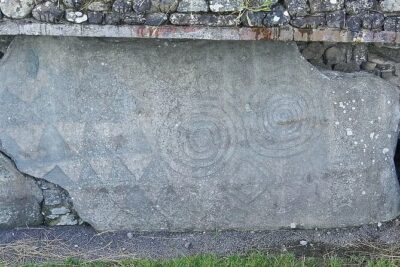
Private Luxury Tour of Newgrange and The Hill of Tara
Read our review →
Browse the lists this tour appears in