
Reviewed · MUSEUMS
Dublin: Treasures of Ireland Museums Private Tour
Three museums, one clear Irish story. This private Dublin tour links paintings, manuscripts, and ancient treasures in a way that makes the country’s past easier to follow. I like the focused three-hour format, and I like that a guide leads you straight to major highlights instead of leaving you to hunt through large collections on your own. The main consideration is pace: forty minutes at each museum gives you a useful introduction, not time for a slow, detailed look at every room.
I also appreciate the small-group setup, which costs $492 for up to five people and works out to $98.40 per person when full. Guide John has been praised for making the museum visits both productive and fun, while Augustine is also singled out warmly. Since the tour is in English and moves among three institutions, it suits you best if you want a guided overview rather than a long, quiet museum day.
In This Review
- Key points to know before booking
- Why this three-hour museum route works
- Starting at the National Gallery of Ireland
- Moving from paintings to the National Library
- The National Museum of Ireland and its ancient treasures
- The guide makes the difference
- What the $492 group price really buys
- Who will enjoy this Dublin museum tour?
- How to make the most of the three hours
- Should you book the Treasures of Ireland Museums tour?
- FAQ
- How long does the tour last?
- Where does the tour begin?
- Where does the tour end?
- Which museums are included?
- Is the tour private?
- What is included in the price?
- Is the tour wheelchair accessible and what language is offered?
Key points to know before booking
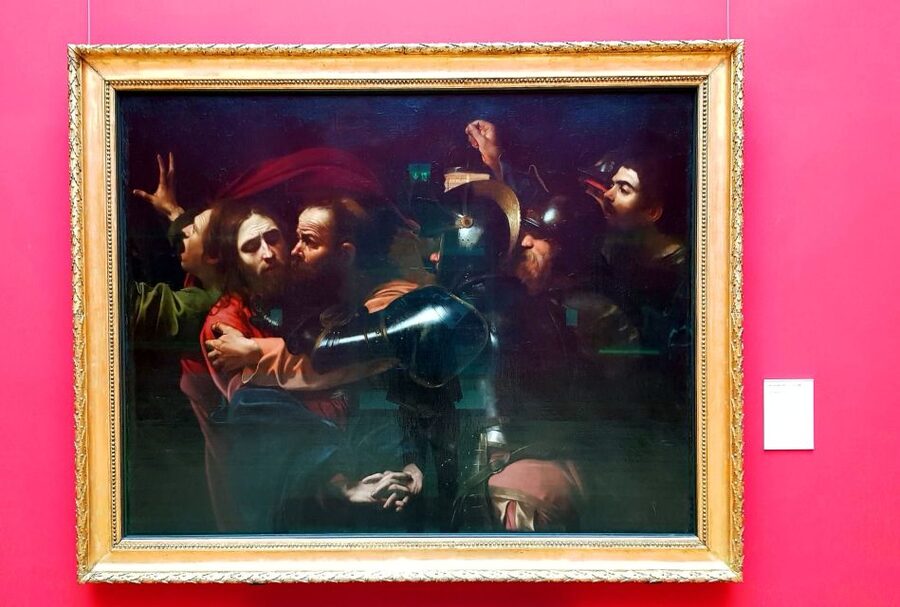
- The National Gallery opens the story through art: You see selected works tied to events such as the Norman Conquest and the Irish Civil War.
- The National Library adds W.B. Yeats: The stop connects Ireland’s literary life with the country’s wider cultural story.
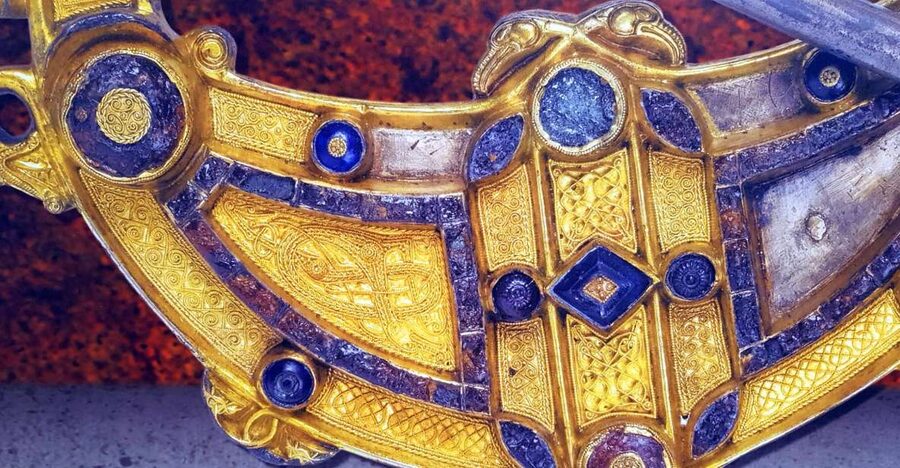
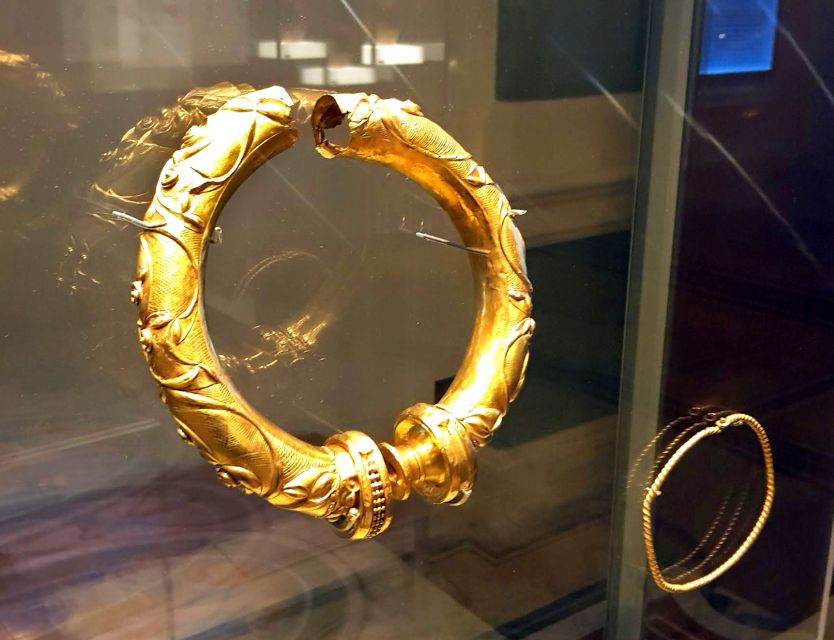
- The Archaeology Museum provides the oldest treasures: The Tara Brooch and Ardagh Chalice represent Ireland’s golden age from about 500 to 800 AD.
- Forty minutes per museum keeps the tour moving: A break halfway helps prevent information overload, but you will need to accept a highlight-only visit.
- Private guiding is the main value: Your guide selects the important pieces and explains how they fit together, saving you from wandering without context.
- The tour begins and ends on Merrion Square: Meet your guide outside the National Gallery on Merrion Square West, with no hotel transport included.
Why this three-hour museum route works
Dublin has excellent cultural institutions close together, but a first visit can still feel scattered. One museum tells you about paintings, another about books, and another about objects from Ireland’s distant past. Without a connecting thread, you may remember a few beautiful things but miss the larger story.
This tour is built around that connection. You move from art to literature to archaeology, using each collection as evidence of how Ireland changed through time. The guide’s job is not simply to identify an artist or date an object. It is to explain how art, writing, conflict, belief, and national identity fit together.
That approach gives the tour a useful purpose. You are not trying to cover every gallery in Dublin. You are learning how a few carefully chosen objects can act as signposts through Irish culture.
The plan allows about forty minutes at each institution, with a break halfway through. That is a sensible rhythm for a private introduction. You get enough time to focus, ask questions, and move on before the material becomes too much. The tradeoff is clear: if you already know Dublin’s museums well, you may want more time with individual works.
More Museums in Dublin
- Irish Rock ‘N’ Roll Museum Experience Dublin
★ 5.0 · 6,112 reviews - The Little Museum of Dublin Famous Guided Tour
★ 5.0 · 2,948 reviews - Dublin EPIC Museum Admission Ticket
★ 4.5 · 1,729 reviews
Starting at the National Gallery of Ireland
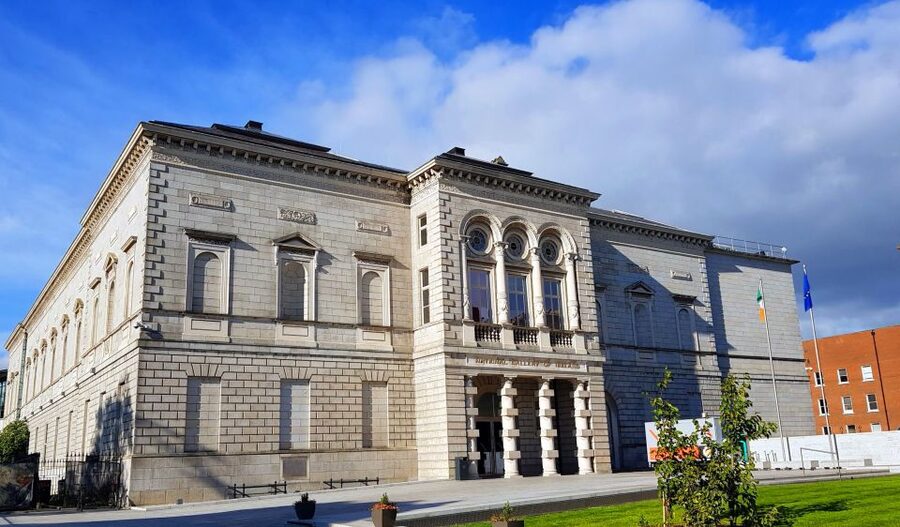
The meeting point is outside the National Gallery on Merrion Square West. This is a practical start because you can arrive directly at a well-known central institution without arranging transport from your hotel.
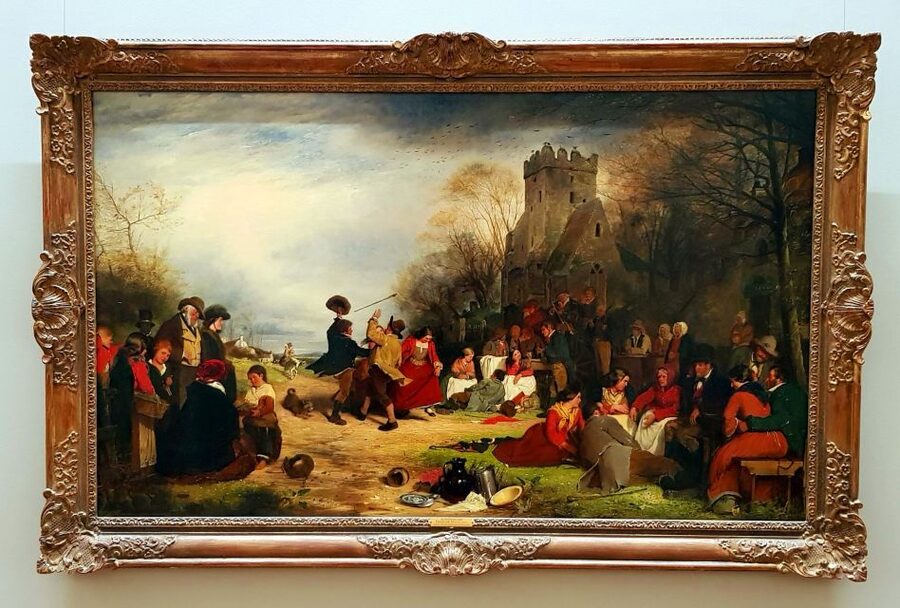
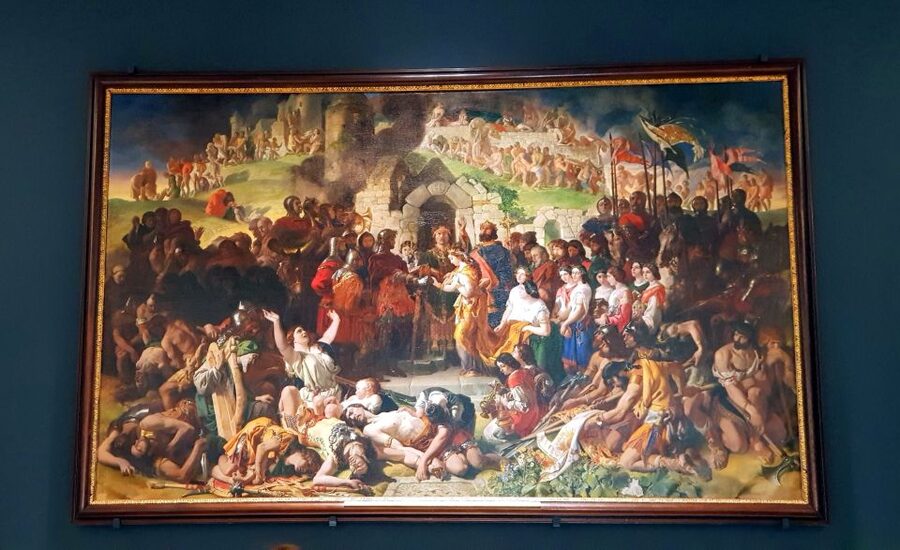
The National Gallery is the tour’s first major stop, and it sets up the visual side of the story. You will see only selected highlights, with the guide choosing works that help explain Ireland’s major political and cultural changes. The material includes symbolic paintings connected with the Norman Conquest of Ireland and the Irish Civil War.
That selection gives the visit more purpose than a standard art walk. Instead of treating the paintings as isolated masterpieces, the guide uses them to show how artists represented power, conflict, and change. The point is not only what appears on the canvas, but why that image mattered in its time.
I like this stop for two reasons. First, it gives you a visual entry into Irish history. Second, it sets expectations for the rest of the tour: you will be shown important examples, then given the background needed to understand them.
The forty-minute limit is both helpful and restrictive. It protects you from spending the entire tour in one building, but it also means you should not expect a full survey of the collection. If you have a particular artist or painting in mind, ask the guide early whether there will be time to include it.
Moving from paintings to the National Library
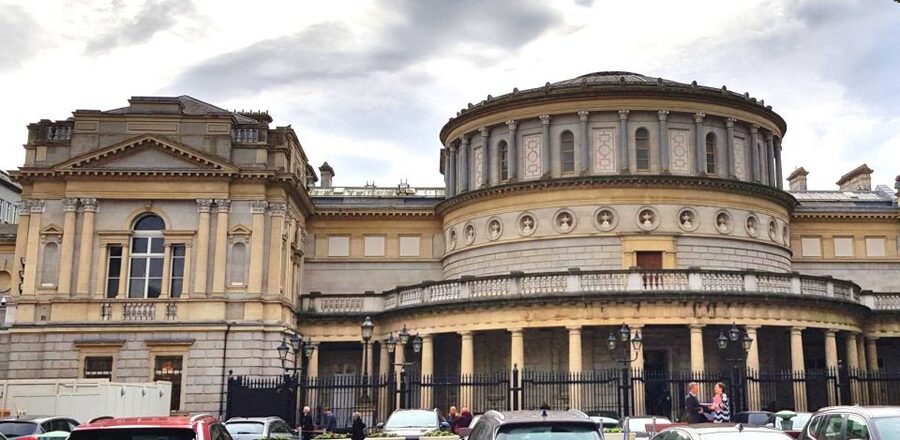
The National Library of Ireland brings a different kind of evidence into the story. Here, the focus includes W.B. Yeats, one of Ireland’s greatest poets, and his life and work.
This stop matters because literature has shaped Ireland’s public identity as strongly as painting or politics. Yeats gives the guide a way to discuss writing, memory, national feeling, and the role of the poet in Irish life. You are likely to find that the tour becomes more personal here, moving from large historical events to the ideas and words that helped people understand them.
The library also changes the pace. After looking at paintings, you shift toward documents, literary material, and the physical traces of a writer’s life. That variety is one of the tour’s best features. Three hours devoted to only one subject could become tiring, but the change from gallery to library keeps your attention fresh.
Again, you have about forty minutes. That is enough for a guided introduction to the chosen material, but not enough for a relaxed examination of everything on display. If you care deeply about Yeats, you may want to return later for more time. The tour gives you the framework, then lets you decide where to go deeper on your own.
The National Museum of Ireland and its ancient treasures
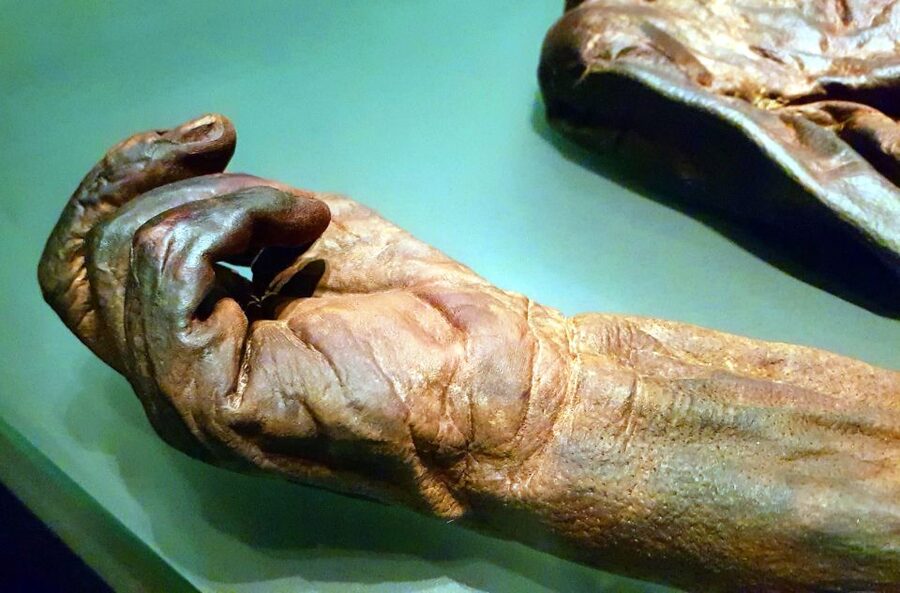
The final museum is the National Museum of Ireland, Archaeology, where the tour ends. This is the oldest part of the story, and it supplies some of Ireland’s most famous objects.
The Tara Brooch and the Ardagh Chalice are key highlights. Both are linked with Ireland’s golden age from about 500 to 800 AD, a period known for exceptional craftsmanship and decorative work. Seeing these pieces after the art and literary stops gives the tour a satisfying sweep, from ancient metalwork to modern cultural memory.
The value here comes from explanation. Beautiful objects can be difficult to read without guidance. A guide can point out why a brooch or chalice matters, what its workmanship suggests, and how it fits into the wider account of Irish society and belief. You do not have to arrive with a background in archaeology to appreciate the visit.
The museum stop is also a useful reminder that Irish culture did not begin with more recent political events. The tour moves backward and forward across centuries, showing how old objects, literary figures, and political paintings all contribute to the country’s identity.
Because this is the last stop, you finish with some of Ireland’s most striking physical treasures in mind. The activity ends back at the meeting point, at the National Museum of Ireland, Archaeology. There is no hotel drop-off, so plan your next step from central Dublin independently.
A completely different kind of day out from Dublin:
- Dublin to Cliffs of Moher, including Wild Atlantic Way and Galway
★ 5.0 · 23,331 reviews - From Dublin: Cliffs of Moher, Burren & Galway City Day Tour
★ 4.8 · 18,888 reviews - Dublin: Guinness Storehouse Entry Ticket
★ 4.6 · 16,863 reviews - Dublin to Cliffs of Moher, Burren, Wild Atlantic Way, Galway Tour
★ 5.0 · 12,924 reviews
The guide makes the difference
The strongest reason to book this experience is the private Irish guide. Three Dublin museums can be difficult to handle efficiently on your own, especially if you do not know which rooms or objects matter most.
John received specific praise for making the museum visits productive and fun. That combination is important. A guide who only lists dates can make a museum feel like a classroom. A guide who focuses only on entertainment may leave you with little to remember. The aim here is to keep the information clear while showing why each object belongs in the larger story.
Augustine is also described as very good, giving you another indication that the quality of the experience depends heavily on the person leading it. Since the guide is live and the group is private, you should be able to ask questions and adjust the discussion within the limits of the schedule.
Private guiding also removes one common museum problem: uncertainty. You do not have to spend ten minutes reading floor plans or wondering which display contains the famous piece you came to see. The guide selects the highlights and explains what you are looking at.
Still, the guide cannot create extra time. The tour covers three institutions in three hours, so you should expect a brisk, purposeful visit. If your group prefers long stretches of silence in front of one painting, this format may feel too structured.
What the $492 group price really buys
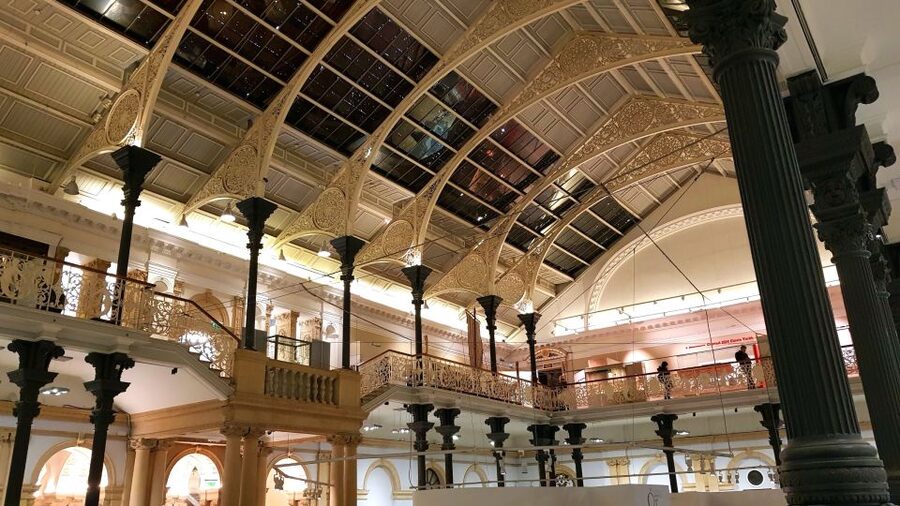
The price is $492 for a private group of up to five people. At the maximum group size, that is $98.40 per person. For two people, the effective cost is $246 each, so the value improves sharply when you can fill the group.
Entry to the museums is included, as are the services of the private Irish guide. Food and drink are not included, and hotel pickup and drop-off are not part of the experience. You meet at the National Gallery and finish at the Archaeology Museum, so you should factor in your own transport before and after.
The fee makes the most sense for a family or small group that wants one shared introduction to Dublin’s cultural institutions. You are paying for selection, interpretation, and time management, not simply admission. If everyone in your party has similar interests, a private tour can be more satisfying than joining a larger general walk.
For a solo visitor or a couple, the price is harder to justify unless you place a high value on private attention. In that case, consider how much time you might lose trying to identify the best displays alone. The tour’s strongest financial advantage comes when four or five people share the cost.
Who will enjoy this Dublin museum tour?
I would recommend this experience to you if you want a broad understanding of Ireland but do not want to spend several days studying museums independently. It is especially useful early in a Dublin stay, when a clear introduction can help you decide which collections deserve a later return.
It also suits families and mixed-interest groups. The art, literary, and archaeological stops provide enough variety to keep the visit from feeling like three versions of the same museum. Someone interested in politics can connect with the paintings, while another person may prefer Yeats or the ancient metalwork.
The tour is less suitable if you want a slow art-history lesson or a specialist archaeological visit. Forty minutes per museum is designed for highlights. You will gain a framework and see major examples, but you will not cover every important work.
The activity is wheelchair accessible, which makes it a practical option for visitors who need an accessible route. The live tour is offered in English, and no other language is listed.
How to make the most of the three hours
Arrive at the National Gallery meeting point with enough time to locate the entrance on Merrion Square West. The tour begins there and does not include hotel pickup, so do not assume the guide will meet you elsewhere.
Go in with one or two questions rather than a long list of must-see objects. The schedule is compact, and the guide has chosen a route around the main highlights. A focused question about Yeats, the Norman Conquest, the Irish Civil War, or the Tara Brooch may lead to a more useful discussion than trying to request an entirely separate museum plan.
Use the halfway break wisely. You can have a drink or a small snack independently, since food and drink are not included. The pause is part of the design, giving you a chance to reset before the final museum.
Keep your expectations centered on interpretation. The tour’s best feature is the way the guide connects individual pieces to Irish culture and history. If you want only famous objects with no explanation, you can visit museums on your own. If you want the pieces to make sense as part of a larger story, the guide is worth the cost.
Should you book the Treasures of Ireland Museums tour?
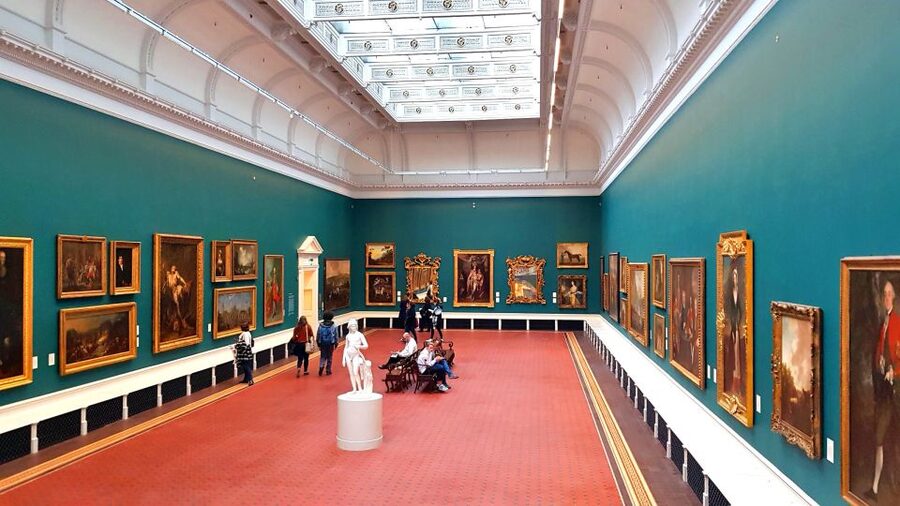
Book it if you want a private, well-paced introduction to Dublin’s main cultural institutions and you can share the $492 cost with a group of up to five. The combination of the National Gallery, National Library, and Archaeology Museum gives you art, literature, and ancient craftsmanship in one compact outing.
I would be especially inclined to book this tour near the start of an Ireland trip. The Norman Conquest, Irish Civil War, Yeats, Tara Brooch, and Ardagh Chalice create useful reference points for everything you see later.
Skip it if you already know these museums well, want extensive time with individual works, or are traveling alone on a tight budget. For everyone else, the private format and the guide’s clear explanations offer a practical way to get much more from three major Dublin institutions than you might manage alone.
FAQ
How long does the tour last?
The tour lasts three hours. Check availability for the available starting times.
Where does the tour begin?
Your guide meets you outside the National Gallery of Ireland on Merrion Square West.
Where does the tour end?
The activity ends back at the meeting point, at the National Museum of Ireland, Archaeology.
Which museums are included?
The tour visits the National Gallery of Ireland, the National Library of Ireland, and the National Museum of Ireland, Archaeology.
Is the tour private?
Yes. It is a private group experience for up to five people.
What is included in the price?
The price includes a private Irish guide and entry to the museums. Food, drink, hotel pickup, and hotel drop-off are not included.
Is the tour wheelchair accessible and what language is offered?
The activity is wheelchair accessible and is conducted in English.
Just added around Dublin
- A Self Guided Walking Tour of Dublin’s Docklands★ 4.5 · 3 reviews
- Waterford Crystal and Kilkenny Full-Day Rail Tour from Dublin★ 5.0 · 3 reviews
- Secret and unusual Dublin: guided walking tour★ 5.0 · 3 reviews
- Turtle Bunbury’s Dublin: A Self-Guided Audio Tour from a Celebrated Author★ 5.0 · 3 reviews
- Cliffs of Moher and The Burren Private Tour from Dublin★ 5.0 · 3 reviews
- Skip-the-line St. Patrick’s Cathedral and Dublin City Tour★ 5.0 · 3 reviews
- Dublin Full-Day Tour through Boyne Valley★ 5.0 · 3 reviews
- Rock Of Cashel And Blarney Castle Private Chauffeur Full Day Sightseeing Tour★ 4.5 · 3 reviews
Museums, compared.
The Little Museum of Dublin Famous Guided Tour
Read our review →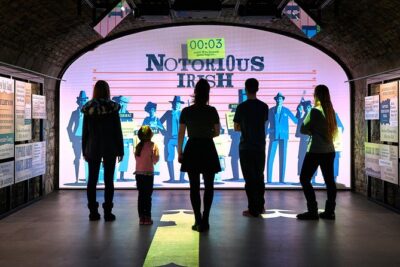
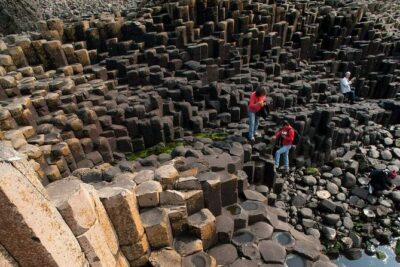
Giant’s Causeway with the Titanic Exhibition and the best of Northern Ireland
Read our review →

Irish Whiskey Museum: Whiskey Blending Experience
Read our review →
Irish Whiskey Museum Blending Tour with Tastings
Read our review →Browse the lists this tour appears in