
Reviewed · GAELIC GAMES EXPERIENCES
Experience Gaelic Games in Dublin
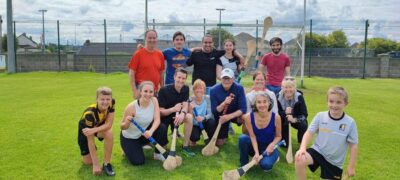
Gaelic games are easier to love once you try them. At Na Fianna GAA Club, about 10 minutes from central Dublin, you learn the story behind Gaelic football, hurling, and handball, then pick up the equipment and give each one a go. I like the small-group format, which keeps the coaching personal, and I like that this is a real local club rather than a staged show. The one catch is that you need to be ready for physical activity, and the session runs in all weather.
This three-hour experience costs $59.26 per person and welcomes all ages and skill levels. The patient coaches, including guides such as Kyle, Georgina, Elyse, Adam, Darren, and Tiernan on different sessions, earn especially high praise for keeping things relaxed. I would book it for families, sports fans, and anyone who wants a break from museums and guided walks. Just wear flat shoes and clothes you can move in.
In This Review
- Key points to know before you book
- Why Gaelic games make a good Dublin activity
- Getting to Na Fianna from central Dublin
- The opening talk: games, culture, and local context
- On the pitch: learning through simple drills
- Gaelic football, hurling, and handball in one morning
- Gaelic football
- Hurling
- Gaelic handball
- Mini-matches and the social side of the session
- Coaching quality and the best group size
- Price, time, and practical value
- What to wear and how hard it feels
- Who should book this Dublin experience?
- Should you book Experience Gaelic Games in Dublin?
- FAQ
- Where does the Gaelic Games experience begin?
- How far is Na Fianna from central Dublin?
- What time does the session start?
- How long does the experience last?
- Which Gaelic sports will I try?
- What should I wear and bring?
- Can I cancel for a refund?
Key points to know before you book
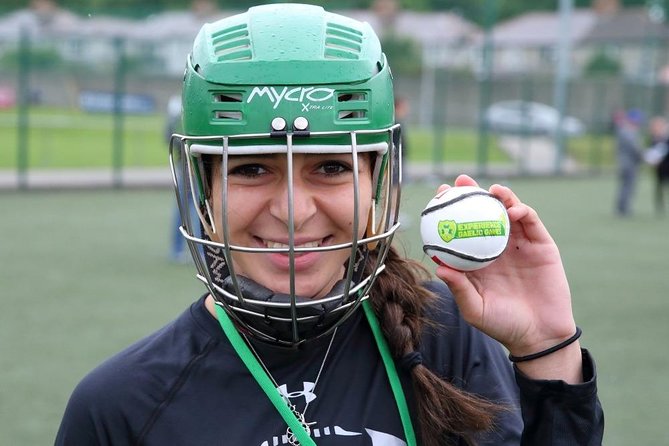
- You play three Irish sports: The session covers Gaelic football, hurling, and Gaelic handball, not just a short demonstration.
- You visit a working Dublin GAA club: Na Fianna gives the activity a local setting and a useful connection to Irish community life.
- You get friendly, patient coaching: The instructors explain the basics, lead drills, and adjust the pace for mixed abilities.
- The session suits beginners: You do not need sporting experience, and the tone stays fun rather than serious.
- The club is easy to reach: Buses 4, 9, and 155 stop directly across from the entrance, about 10 minutes from central Dublin.
- Come prepared to move: Wear flat footwear, dress for the weather, and bring a towel if you want to use the showers.
Why Gaelic games make a good Dublin activity
Dublin sightseeing can become a parade of churches, museums, monuments, and pub stops. All are worthwhile, but three hours of gentle competition can wake you up in a different way. This experience gives you a physical introduction to sports that are closely tied to Irish identity, rather than asking you to watch from the sidelines.
Gaelic football combines running, kicking, hand passing, and ball control. Hurling uses a stick called a hurley and a small ball, while Gaelic handball brings a different skill set altogether. You are not expected to master any of them in one morning. The fun comes from trying to understand how the pieces fit together, then discovering that your first clean pass feels like a small victory.
I especially like the cultural side of the session. The introduction explains the place of the games in Irish life before you start playing. That context matters. You see why these sports are more than holiday curiosities, and you begin to understand their connection with clubs, families, communities, and Irish roots.
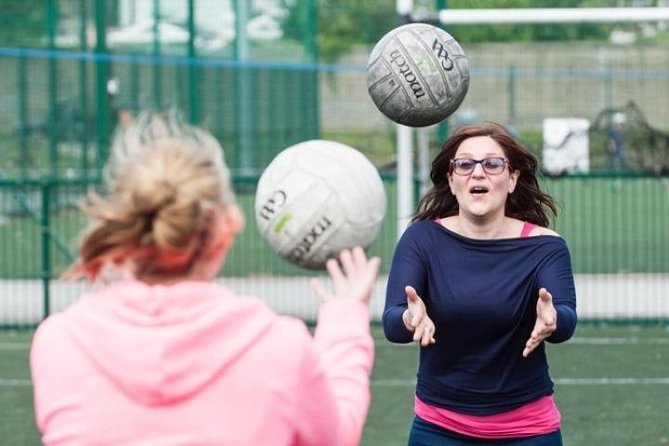
The experience also works well for mixed groups. One person may play football or lacrosse regularly, while another may not have played a team sport in decades. The coaching is designed to keep both involved. You can take part without feeling foolish, and more competitive people still get a chance to stretch themselves during mini-matches.
More Gaelic games experiences:
- Dublin: Gaelic Games Experience
★ 4.9 · 20 reviews - Hurling Tours Ireland – Hurling Experience in Kilkenny
★ 5.0 · 149 reviews - Hurling Experience in Kavanaghs Bar, Freshford, Kilkenny
★ 5.0 · 31 reviews
Getting to Na Fianna from central Dublin
The meeting point is CLG Na Fianna, 107 St Mobhi Road, Botanic, Dublin 9, D09 K4K0. The club is not in the middle of the city center, but it is close enough to make the journey simple.
The bus ride takes about 10 minutes from central Dublin. Routes 4, 9, and 155 stop directly across the road from the club, which is much easier than finding a remote sports ground or arranging a taxi. If you prefer to drive, you can do so, but transportation to and from the club is not included in the price.
The session begins at 10am, so arrive a little early. That gives you time to find the entrance, change if needed, and listen to the opening instructions without rushing. The activity ends back at the club after about three hours.
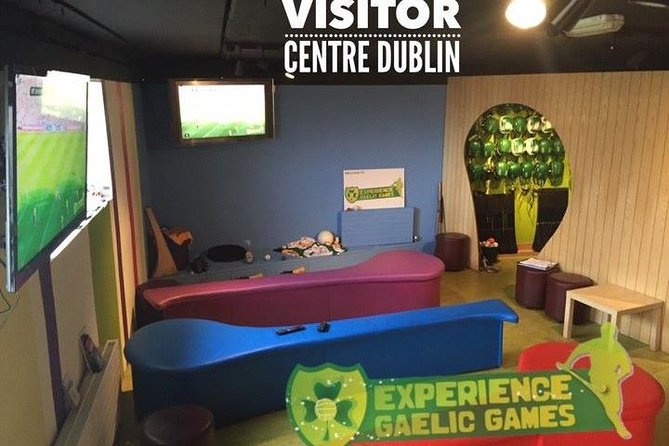
The facility includes a dedicated visitor center, dressing rooms, and showers. Bring your own towel and toiletries if you want to freshen up afterward. Water, tea, and coffee are available, a small but useful touch after time outside.
The opening talk: games, culture, and local context
The morning starts indoors with an introduction to the three games. This is not a long lecture. The purpose is to give you enough background to recognize what you are about to try and understand why Gaelic sports matter across Ireland.
You learn about Gaelic football, hurling, and Gaelic handball, including their place in Irish culture and community life. The opening is particularly helpful if you have watched a match in a Dublin pub and wondered what on earth was happening. Gaelic football can look familiar at first, especially to anyone who knows soccer or rugby, but the combination of kicking, hand passing, carrying, and scoring takes time to read.
Hurling can seem even more mysterious from a distance. The hurley and sliotar move quickly, and the sport asks for timing, balance, and coordination. A short explanation before the practical part helps you appreciate the skill involved instead of simply watching the ball flash past.
The handball segment rounds out the introduction. It gives the session a different rhythm and prevents the morning from becoming three versions of the same activity. You get a broader picture of Gaelic sport and a better sense of why the club is proud to teach all three.
Some sessions may use video as part of the explanation. The exact format can vary with the coach and group, but the goal is consistent: give you a clear starting point before you head outside.
On the pitch: learning through simple drills
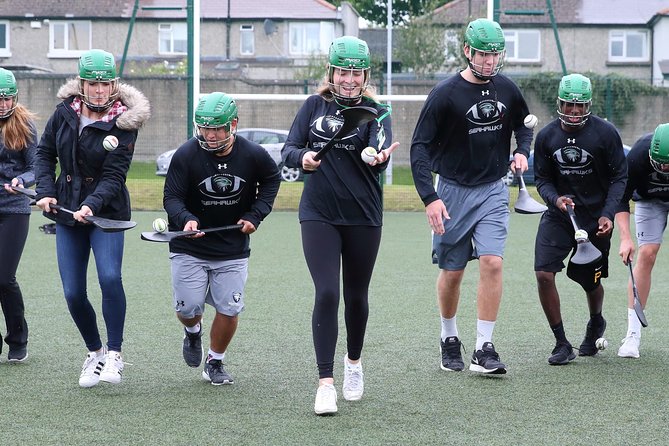
After the introduction, the group heads outside for team-building activities and practice. This is where the experience earns its price. You are not merely told about the games. You handle the ball, try the movements, and learn by making mistakes.
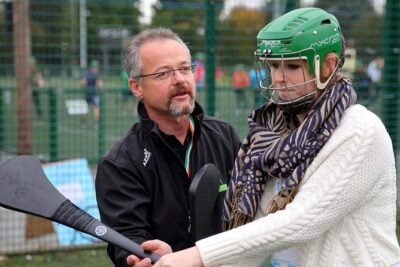
The coaches break the activities into manageable steps. You might practice passing, striking, catching, or movement before combining those skills in a game. Do not expect a formal training camp. The pace is friendly, and the instructors use patience and humor to keep the group together.
This matters because the people in your group may have very different abilities. A child might pick up the hand-eye coordination quickly. An adult who plays soccer, lacrosse, or volleyball may feel comfortable with movement but struggle with the hurley. Someone who has not played a team sport for years may need more time. The session allows room for all of that.
The team-building part helps strangers relax. You are likely to be working with people from different countries and age groups, which can feel awkward for the first few minutes. Once everyone has missed a catch or swung a hurley badly, the mood usually becomes much easier.
The activity is not designed to embarrass beginners. The coaches set a supportive tone and encourage participation rather than performance. At the same time, you should not assume it is completely passive. Several people describe sweating and getting a proper bit of movement, so plan on being active.
A few more trips worth weighing up
- Dublin to Cliffs of Moher, including Wild Atlantic Way and Galway
★ 5.0 · 23,331 reviews - From Dublin: Cliffs of Moher, Burren & Galway City Day Tour
★ 4.8 · 18,888 reviews - Dublin: Guinness Storehouse Entry Ticket
★ 4.6 · 16,863 reviews - Dublin to Cliffs of Moher, Burren, Wild Atlantic Way, Galway Tour
★ 5.0 · 12,924 reviews
Gaelic football, hurling, and handball in one morning
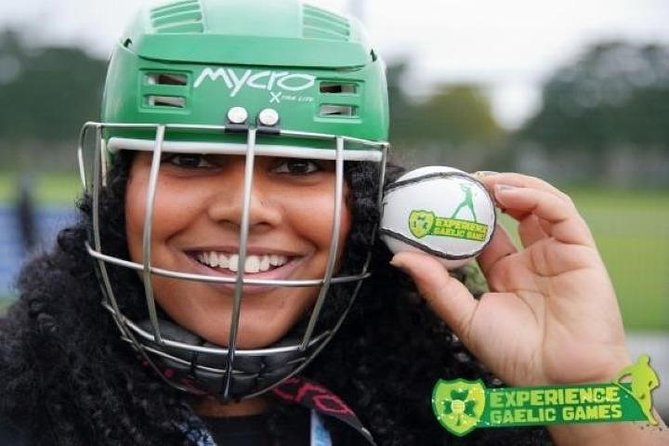
Gaelic football
Gaelic football is often the easiest starting point for people familiar with soccer or other field sports. You work with a ball, move as a team, and learn basic skills before trying short games.
The difference becomes clear once you begin. The sport asks you to use both your feet and your hands, so your usual habits may not help as much as you expect. That is part of its appeal. You are learning a new set of instincts, not simply playing a version of something you already know.
The coaches use simple drills to help you get comfortable. Later, the group may split into mini-matches, depending on its size and ability. These short games are less about keeping score than putting the new skills together.
Hurling
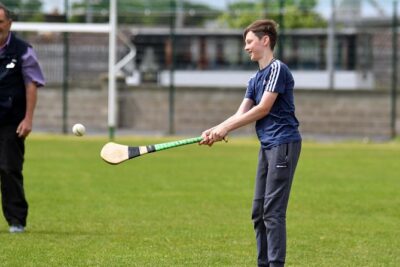
Hurling is likely to be the morning’s most unfamiliar sport. You use a hurley to control and strike the sliotar, and even basic contact can feel satisfying once you get the timing right.
This is also where flat, secure footwear becomes important. You are outside and moving around, so avoid shoes that are slippery, unstable, or intended only for walking on smooth floors. You do not need special equipment, but you do need shoes that let you move safely.
Hurling rewards patience. Your first attempts may go nowhere, and that is normal. The coaches understand this and help you focus on the next small improvement rather than expecting polished technique.
Gaelic handball
Handball gives you a change of pace and tests coordination in a different way. It is included as part of the three-sport session, so you get more than the two games most international visitors have heard about.
The handball practice also helps keep the morning varied. If one activity feels difficult, another may suit you better. Some people will enjoy the quick reactions of handball, while others will prefer the running and passing of football or the challenge of hurling.
Trying all three is one of the best reasons to choose this experience. You leave with a clearer idea of how different Gaelic sports feel, not just a single snapshot.
Mini-matches and the social side of the session
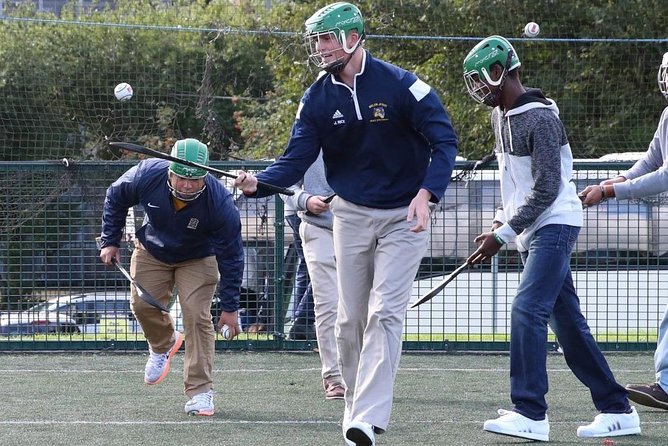
Once the group has practiced the basics, you may play short matches. The exact format depends on the number of people and the mix of ages and abilities, but the intention is good-natured competition.
I like this part because it turns instruction into a shared experience. You are no longer standing in a line waiting for your turn. You are calling for a pass, trying to remember the rules, and laughing when the ball goes in an entirely unexpected direction.
The coaches remain involved and keep the match moving. They can explain what happened, offer a quick correction, or ease the pressure if someone feels out of their depth. More athletic participants can enjoy the competitive edge, while beginners can concentrate on taking part.
Families with older children and adult children should find the format particularly effective. One family described it as a welcome change from standard sightseeing, with everyone able to join in despite different levels of sporting experience. Another family brought a 12-year-old who played all three games and enjoyed the guides.
The session can also work for older adults who are reasonably active. A couple in their 70s and late 50s took part without trouble, but you should judge your own fitness honestly. The activity welcomes all skill levels, not every possible physical condition.
Coaching quality and the best group size
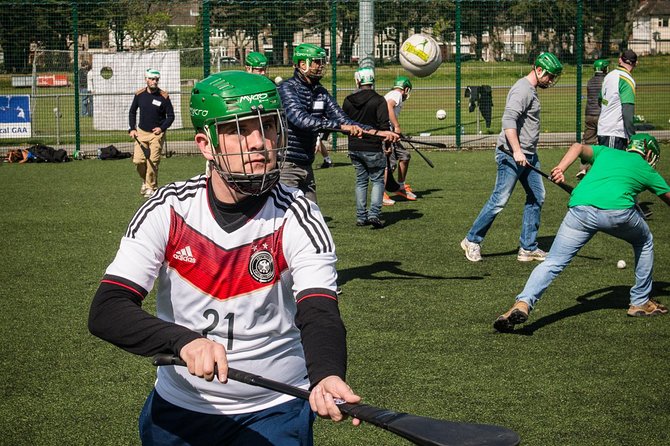
The instructors are a major part of the experience. Coaches named in feedback include Kyle, Georgina, Elyse, Adam, Darren, and Tiernan, though the exact team can vary by date. Their common strengths are patience, good humor, clear instruction, and a willingness to interact with the group.
That interaction is more important than a polished speech. You can ask questions, admit that you have no idea what you are doing, and get useful help without feeling brushed aside. The coaches are passionate about the sports, and that enthusiasm gives the morning its local character.
The experience is intended to be small, with groups limited to 15 people in the main description. The stated overall maximum is 18, so the final size may vary slightly, but this is not a huge crowd activity. A smaller group gives you more turns with the equipment and makes it easier for the coaches to notice when you need help.
The operator requires a minimum number of bookings for a session to proceed. If the group is too small, you may be contacted about another date or time, or offered a full refund. Keep that in mind if your Dublin schedule is tight.
Price, time, and practical value
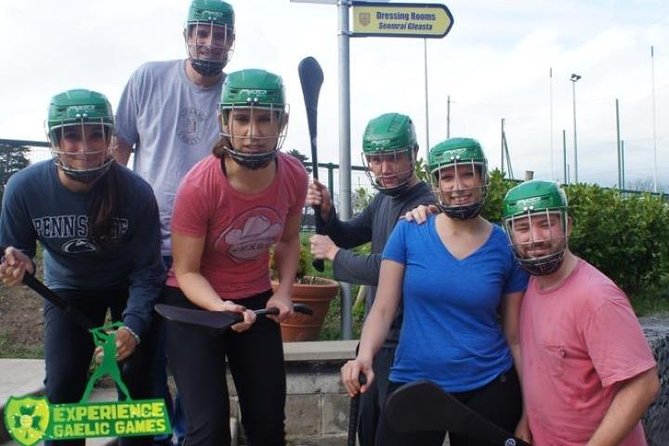
At $59.26 per person, this is not the cheapest way to spend a morning in Dublin, but it offers more than a basic sports demonstration. You get about three hours of instruction, cultural background, equipment-based activities, team games, and access to club facilities. Taxes, fees, and all activities are included.
The strongest value comes from the hands-on format. You could learn a few facts about Gaelic sports at a pub or watch a match online for less money, but neither option gives you the same sense of how difficult the skills are. After trying to strike a sliotar or control a Gaelic football, you will watch the athletes with greater respect.
It also fills a useful place in a Dublin itinerary. The morning starts at 10am and finishes around 1pm, leaving the afternoon open. You can pair it with lunch and more sightseeing, or use it as a lighter day between long walking tours.
The price makes more sense for families and groups who will all take part. If one person wants to sit out most of the session, the value drops. This is an activity built around participation.
What to wear and how hard it feels
Wear casual clothing that allows you to run, bend, and move your arms freely. If you expect to get competitive, bring proper sporting clothes. Flat footwear is specifically recommended, and good shoes will make the outdoor portion more comfortable.
The session operates in all weather conditions, so check the forecast and dress sensibly. Bring layers and rain protection if conditions look unsettled. You should not count on Dublin weather being polite just because your calendar says it is summer.
You may work up a sweat, even if the drills begin gently. The coaches encourage beginners, but the session includes practice and play rather than simply watching. If you have an injury or health concern, consider your own limits before booking.
Showers and dressing rooms are available. You need to bring your own towel and toiletries, so pack them if you have plans afterward.
Who should book this Dublin experience?
I would recommend it to families with children, couples who enjoy active outings, sports fans, and anyone curious about Irish culture beyond the usual city sights. It is also a smart choice for people with Irish family connections who want a direct introduction to an important part of Irish community life.
You do not need to understand the rules beforehand. You do not need to be athletic. A willingness to laugh at a few missed catches matters more than sporting ability.
I would be more cautious if you want a quiet morning, dislike outdoor activities, or have very limited mobility. The session is welcoming, but it is still a physical activity with time on the field. I would also avoid booking it immediately before an important event if you do not want to risk arriving tired or damp.
Should you book Experience Gaelic Games in Dublin?
Yes, if you want to do more than look at Dublin. This is a friendly, active introduction to three sports that help explain Irish identity and community life. The coaching receives near-universal praise, the club is simple to reach by bus, and the small-group setting keeps the experience personal.
Book it especially if your group includes different ages or sporting abilities. Wear sensible shoes, expect to sweat a little, and treat the morning as an enjoyable lesson rather than a test. If you want a polished spectator experience, choose a match instead. If you want to understand Gaelic games by trying them yourself, this is a strong-value choice.
FAQ
Where does the Gaelic Games experience begin?
It begins at CLG Na Fianna Gaelic Club, 107 St Mobhi Road, Botanic, Dublin 9, D09 K4K0, Ireland.
How far is Na Fianna from central Dublin?
The club is about a 10-minute bus ride from Dublin city center. Bus routes 4, 9, and 155 stop directly across the road.
What time does the session start?
The session starts at 10am. You should arrive a little before the start time.
How long does the experience last?
The session lasts approximately three hours and ends back at the Na Fianna meeting point.
Which Gaelic sports will I try?
You will learn about and practice Gaelic football, hurling, and Gaelic handball. The session can also include team-building activities and mini-matches.
What should I wear and bring?
Wear casual clothing or sports attire, depending on how active you plan to be. Flat footwear is required, and you should dress for all weather conditions. Bring your own towel and toiletries if you want to use the club showers.
Can I cancel for a refund?
You can cancel up to 24 hours before the local start time for a full refund. Cancellations or changes made less than 24 hours before the start are not accepted for a refund.
Just added around Dublin
- A Self Guided Walking Tour of Dublin’s Docklands★ 4.5 · 3 reviews
- Waterford Crystal and Kilkenny Full-Day Rail Tour from Dublin★ 5.0 · 3 reviews
- Secret and unusual Dublin: guided walking tour★ 5.0 · 3 reviews
- Turtle Bunbury’s Dublin: A Self-Guided Audio Tour from a Celebrated Author★ 5.0 · 3 reviews
- Cliffs of Moher and The Burren Private Tour from Dublin★ 5.0 · 3 reviews
- Skip-the-line St. Patrick’s Cathedral and Dublin City Tour★ 5.0 · 3 reviews
- Dublin Full-Day Tour through Boyne Valley★ 5.0 · 3 reviews
- Rock Of Cashel And Blarney Castle Private Chauffeur Full Day Sightseeing Tour★ 4.5 · 3 reviews
Gaelic Games Experiences, compared.
Hurling Tours Ireland – Hurling Experience in Kilkenny
Read our review →
Hurling Experience in Kavanaghs Bar, Freshford, Kilkenny
Read our review →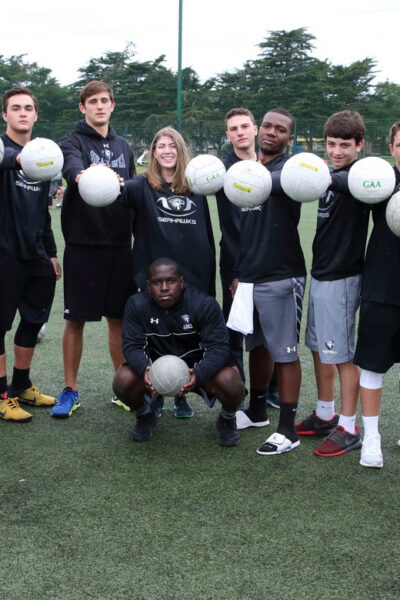
Browse the lists this tour appears in