
Reviewed · WORKSHOPS
Irish Baking Class: Granny’s Apple Cake, Traditional Scones
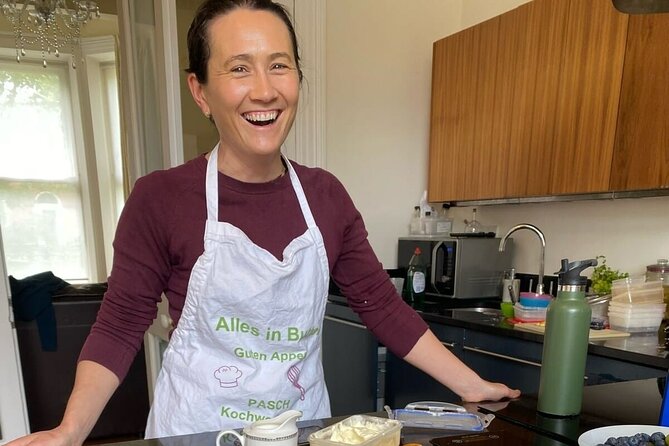
Come to Dublin hungry for a story. Emily Lavelle’s baking class turns a simple morning snack into a friendly lesson in Irish food, family traditions, and daily life. You meet in her Victorian home on Morehampton Road, in the Donnybrook area, and spend about 90 minutes baking, chatting, and eating what you make.
I especially like the small group size, capped at six people, and the personal setting. I also like the choice between light, buttery Irish scones and Granny’s apple cake, a spiced cake filled with apple pieces. The main consideration is the price, $102.41 per person, which is a fair amount for a short class, so you should value conversation and cultural exchange as much as the baking itself.
In This Review
- Key points to know before booking
- A quiet start on Morehampton Road
- Tea, coffee, and the welcome at Emily’s home
- Choosing between Irish scones and Granny’s apple cake
- Mixing, baking, and learning the useful details
- Sitting down to eat what you made
- What the small group changes
- Dietary needs, children, and what you can take home
- Is $102.41 a fair price for 90 minutes?
- How the class fits into a Dublin visit
- Who will enjoy this Dublin baking experience most?
- Should you book Emily Lavelle’s class?
- FAQ
- Where does the Irish baking class take place?
- What time does the experience begin?
- How long does the class last?
- What can I bake during the class?
- What comes with the Irish scones?
- How is Granny’s apple cake served?
- Can children take part?
- Can dietary requirements be accommodated?
- How many people can join the class?
- Can I cancel for a refund?
Key points to know before booking
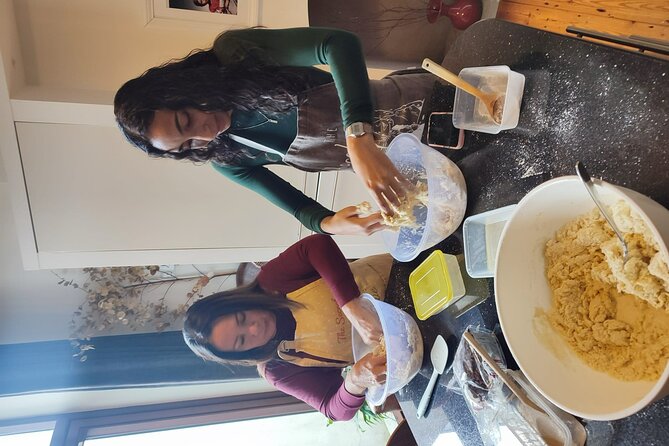
- Bake in a real Dublin home: The class takes place in Emily Lavelle’s Victorian house near Morehampton Road, not in a busy commercial kitchen.
- Choose a traditional Irish bake: You can select Irish scones with butter, jam, and cream, or Granny’s apple cake with fresh cream.
- Expect more than a recipe lesson: Emily talks about Irish food, family customs, heritage, and life in Dublin while you work.
- Small groups keep it personal: The maximum is six people, and the experience requires at least two participants.
- Good for families: Children aged eight and older can take part, and dietary needs can be discussed in advance.
- Plan around the morning start: The class begins at 10:30 a.m., ends back at the meeting point, and lasts about one hour and 30 minutes.
A quiet start on Morehampton Road
The experience begins at Morehampton Road in Dublin, with the class taking place in Emily’s home. The Donnybrook setting gives the morning a residential feel. You are not being led through a large cooking school with a line of benches and a crowd of strangers. You are stepping into a local home, which is a large part of the appeal.
A taxi is a practical choice if you are not familiar with the area. One family found taxis to and from the house easy, and the surrounding neighborhood was described as quiet and pleasant. Public transportation is nearby, but the supplied details do not specify a particular bus or stop, so check your route before setting out.
The 10:30 a.m. start works well with Dublin sightseeing. You can enjoy the class in the morning, then have most of the day left for museums, shopping, or a walk around the city. The drawback is that an early breakfast may leave you too full for the baking. I would keep breakfast light and save room for cream, jam, and warm cake.
Other Dublin trips travellers book alongside this one:
- Dublin to Cliffs of Moher, including Wild Atlantic Way and Galway
★ 5.0 · 23,331 reviews - From Dublin: Cliffs of Moher, Burren & Galway City Day Tour
★ 4.8 · 18,888 reviews - Dublin: Guinness Storehouse Entry Ticket
★ 4.6 · 16,863 reviews
Tea, coffee, and the welcome at Emily’s home
The class starts with tea or coffee before the mixing begins. That small pause matters. It gives you time to settle in, meet Emily, and get comfortable in a setting that feels more like a visit than a formal lesson.
Emily’s warm, relaxed hosting is one of the strongest reasons to book. She is described as friendly, gracious, fun to talk with, and good at making people feel at ease. That matters if you are not a confident baker. It also helps if only one person in your group enjoys cooking, since the atmosphere is designed for conversation as well as hands-on work.
The welcome may include homemade soda bread. One account describes starting with tea and warm homemade soda bread before moving on to the main recipes. Since the advertised menu centers on scones or apple cake, I would treat the soda bread as a possible extra rather than something to count on.
Emily also works as a diet and wellness coach. Along with the recipes, she offers cooking ideas aimed at a healthier, happier lifestyle. You should not expect a clinical nutrition course, but this adds a useful layer for anyone interested in practical food advice.
Choosing between Irish scones and Granny’s apple cake
The class gives you a clear choice of bake. You can make traditional Irish scones, or you can prepare Granny’s apple cake. Both options are closely tied to home baking, which makes them more meaningful than a generic pastry lesson.
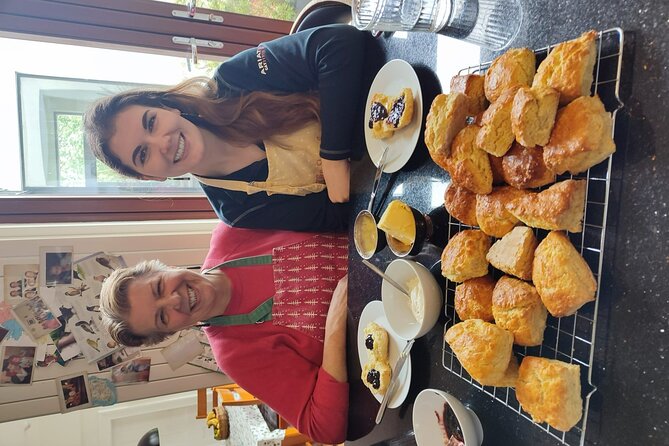
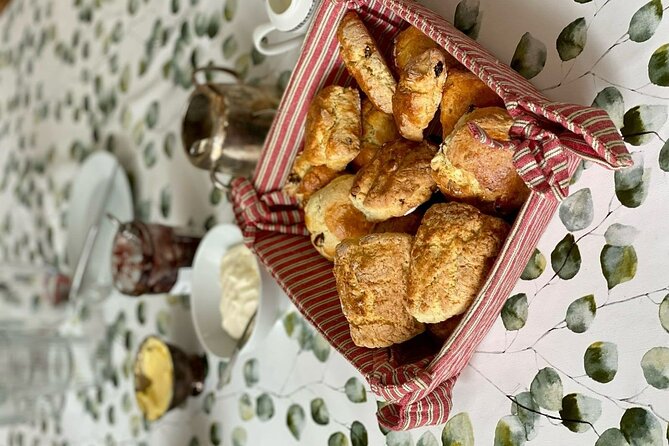
The Irish scones are described as golden, buttery, light, and fluffy. Once baked, they are served with Irish butter, Irish jam, and fresh cream. This is the classic combination, and it turns a plain-looking scone into a proper Irish tea-table treat. The lesson focuses not just on ingredients, but on the techniques that help the scones come out successfully.
If you choose Granny’s apple cake, expect chunks of apple with a careful balance of sugar and spice. It is served with fresh cream, and the flavor profile is comforting rather than elaborate. This is the better choice if you enjoy fruit desserts or want to learn a recipe with a family connection.
The description says you choose one recipe. One experience account describes making both scones and apple cake, so if you want to prepare both, ask Emily in advance rather than assuming it is included. At 90 minutes, making two full recipes may not always fit the scheduled class.
Mixing, baking, and learning the useful details
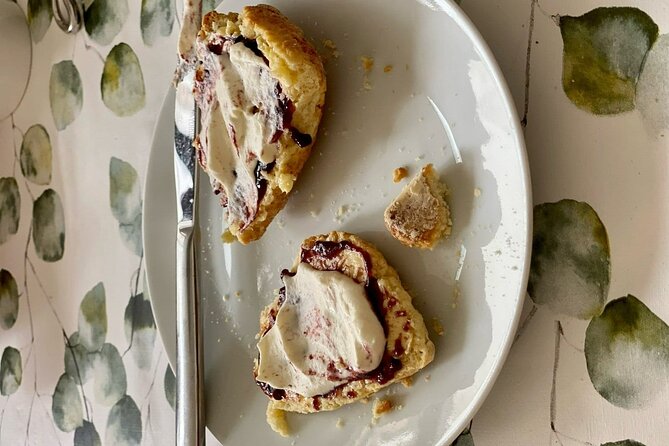
The hands-on part is built around traditional recipes. Emily guides you through the preparation and shares the small tips that can decide whether your bake succeeds at home. A participant with a daughter described learning several practical details that made an attempt more likely to work, which is exactly what you want from a short cooking class.
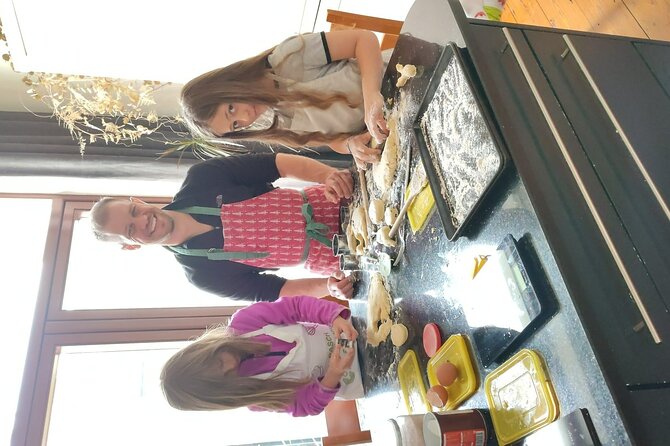
This is not just a demonstration where you watch someone else measure and stir. You take part in making the chosen recipe, then wait while it bakes. The class is suitable for ages eight and older, so children can get involved, though younger participants will naturally need help from an adult.
The baking time also gives the class room to breathe. Instead of rushing from one step to the next, you can talk about Irish food, customs, and family life while the oven does its work. Emily shares old family recipes and stories about Irish heritage. Those conversations are what turn the class from a recipe exchange into a local cultural experience.
The setting helps here. In a private home, food has a direct connection to ordinary life. You are learning what might be served at an Irish tea table, not simply being shown a dish chosen for tourists.
A few more trips worth weighing up
- Dublin: Forge a Silver Ring Workshop on Drury Street
★ 4.9 · 1,065 reviews - Dublin: Irish Music and Dance Show with Dance Lesson
★ 4.7 · 567 reviews - Dublin: Roe and Co Distillery Cocktail Workshop Experience
★ 4.9 · 489 reviews - Dublin: Irish Coffee Masterclass at the Irish Whiskey Museum
★ 4.6 · 279 reviews
Sitting down to eat what you made
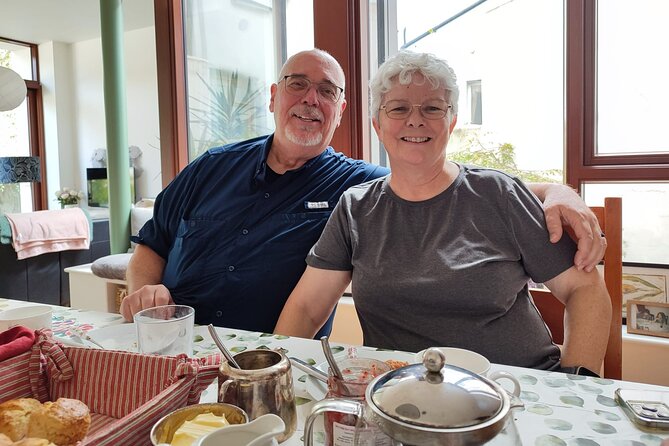
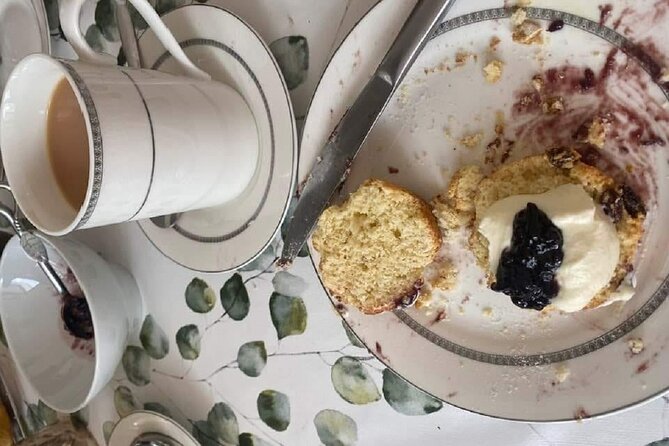
The best part comes after the baking: you sit down and enjoy the result. Scones are served with fresh cream, butter, and jam. Apple cake comes with fresh cream and its warm mix of fruit and spice.
That final tasting gives the class a satisfying shape. You arrive, learn, work, wait, and eat. The food is not an abstract sample prepared in advance. You have handled the dough or cake mixture yourself, so the finished result has a little more meaning.
The experience is also social. Emily’s style is warm and conversational, and the small group allows time for questions. Several people described the morning as relaxed, informative, and fun. Even non-bakers enjoyed it because the Irish culture and personal stories were given as much attention as the food.
I would not book this expecting an advanced pastry course. The strength is traditional home baking and friendly instruction, not professional culinary training. If you want knife skills, complex decoration, or a long menu, this is probably too simple. If you want to learn two familiar Irish recipes and understand where they fit in local life, it makes much more sense.
What the small group changes
The maximum group size is six, with a minimum of two. That is a useful middle ground. You get enough people for conversation, but not so many that the class loses its personal character.
A small group also makes the home setting work better. Emily can answer questions and offer individual help. Families can take part together, and solo participants can still join as long as the minimum booking requirement is met.
The tradeoff is that the experience may feel less anonymous than a standard food tour. You are entering someone’s home, sitting close to other participants, and taking part in a shared social morning. Most people will see this as the point, but anyone seeking a private class should confirm the arrangement before booking.
The home itself is part of the atmosphere. It has been described as lovely, comfortable, and inviting. The Victorian setting adds character without turning the class into a museum visit. One participant even considered the morning better than visiting a museum because it offered such direct contact with Dublin life.
Dietary needs, children, and what you can take home
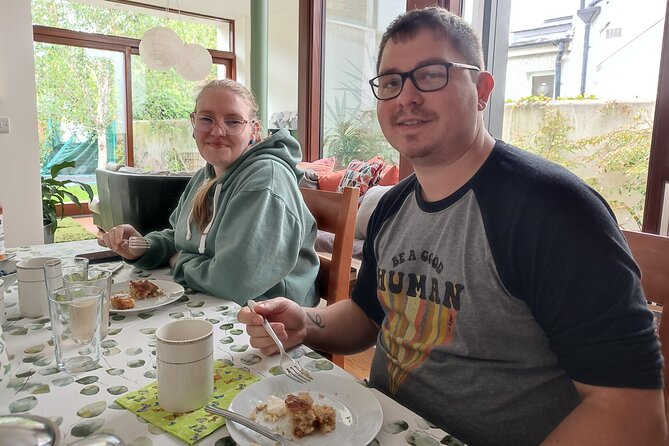
Dietary requirements can be accommodated if you tell Emily in advance. Do not wait until you arrive. Baking recipes can depend heavily on flour, dairy, eggs, and other ingredients, so early notice gives the host a chance to plan.
The class is suitable for children aged eight and older. It works especially well for a parent and child, as one account describes, and for families seeking something everyone can do together. It can also suit a solo visitor who wants a friendly food activity rather than a formal sightseeing tour.
You may be able to take extra baking home. Emily also sends the recipes, which improves the value after the class ends. The recipes let you recreate the experience later, perhaps with ingredients from home or after returning from Ireland.
That follow-up is important at this price. You are not paying only for the food you eat that morning. You are also receiving instruction, recipes, conversation, and the chance to repeat the dishes for friends or family.
Is $102.41 a fair price for 90 minutes?
At $102.41 per person, this is not a cheap snack stop. The class lasts approximately one hour and 30 minutes, so the cost is high if you measure value by the amount of food alone.
The price makes more sense if you see it as a small-group cultural visit with a baking lesson included. You are meeting an individual host in her home, receiving hands-on instruction, eating fresh baking, and hearing about Irish food and heritage. The maximum group size of six gives the experience a personal scale that large demonstrations cannot match.
I would book it for a special morning, especially if you care about local food, home cooking, or meeting Dublin residents. I would skip it if your main goal is simply to eat an inexpensive scone. Dublin has plenty of places to buy one.
The strongest value comes for families and pairs who will use the recipes later. It also suits someone who wants a gentle introduction to Irish cooking rather than a packed schedule of sights. Since the experience is often booked well ahead, with an average booking lead time of 64 days, plan early if the 10:30 a.m. slot fits your itinerary.
How the class fits into a Dublin visit
The morning timing makes this easy to pair with a day in Dublin. You meet at Morehampton Road at 10:30 a.m., spend around 90 minutes baking and talking, and finish back at the meeting point.
Because the activity is in a residential area, allow time to reach the house. A taxi may be the simplest option, especially if you are carrying bags or traveling with children. Public transportation is available nearby, but you should check the exact route using the meeting details provided at booking.
The class does not include a city tour, major attraction entry, or transport between sights. Its value is concentrated in the home visit, food, and conversation. I like that focus. You are not trying to cram a full Dublin itinerary into one morning.
The experience is offered in English. That is worth noting if you want to follow detailed baking instructions and enjoy the cultural conversation without a language barrier.
Who will enjoy this Dublin baking experience most?
I would recommend it to:
- Families with children aged eight and older
- Couples looking for a relaxed food activity
- Solo visitors who enjoy meeting local hosts
- Anyone interested in Irish home cooking
- People who want recipes they can make again
- Visitors who prefer conversation and culture to a large organized tour
It is less suitable for anyone seeking a professional cooking course, a full meal, or a broad tour of Dublin. You should also think about the home setting. The class is welcoming and informal, but it is not designed as a private luxury experience.
The choice of recipe lets you match the class to your taste. Pick scones if you want the classic Irish tea pairing. Pick apple cake if you prefer a fruit dessert with spice and a family story behind it.
Should you book Emily Lavelle’s class?
I would book this if you want a personal Dublin memory built around food. Emily’s warmth, the home setting, the small group, and the old family recipes give the morning a genuine sense of place. The highest praise centers on her hospitality, clear teaching, Irish stories, and ability to make non-bakers feel comfortable.
Before paying $102.41, ask yourself one practical question: will you value the host and conversation as much as the baking? If yes, the price can be justified. If you only want a pastry and a recipe, it may feel costly.
Book early, tell Emily about dietary needs, and confirm if you hope to make both recipes. For a family, a pair, or a solo food lover, this is a relaxed and memorable way to spend a Dublin morning.
FAQ
Where does the Irish baking class take place?
The class takes place at Emily Lavelle’s Victorian home on Morehampton Road in Dublin, in the Donnybrook area.
What time does the experience begin?
The class starts at 10:30 a.m.
How long does the class last?
The experience lasts approximately one hour and 30 minutes.
What can I bake during the class?
You can choose between traditional Irish scones and Granny’s apple cake.
What comes with the Irish scones?
The scones are served with Irish butter, Irish jam, and fresh cream.
How is Granny’s apple cake served?
The apple cake contains chunks of apple with sugar and spice, and it is served with fresh cream.
Can children take part?
Yes. The experience is suitable for children aged eight and older.
Can dietary requirements be accommodated?
Yes, dietary requirements can be catered for if you tell Emily in advance.
How many people can join the class?
The experience requires a minimum of two people and has a maximum of six participants.
Can I cancel for a refund?
Yes. You can cancel at least 24 hours before the start time for a full refund. Cancellations or changes made less than 24 hours before the experience are not accepted for a refund.
Just added around Dublin
- A Self Guided Walking Tour of Dublin’s Docklands★ 4.5 · 3 reviews
- Waterford Crystal and Kilkenny Full-Day Rail Tour from Dublin★ 5.0 · 3 reviews
- Secret and unusual Dublin: guided walking tour★ 5.0 · 3 reviews
- Turtle Bunbury’s Dublin: A Self-Guided Audio Tour from a Celebrated Author★ 5.0 · 3 reviews
- Cliffs of Moher and The Burren Private Tour from Dublin★ 5.0 · 3 reviews
- Skip-the-line St. Patrick’s Cathedral and Dublin City Tour★ 5.0 · 3 reviews
- Dublin Full-Day Tour through Boyne Valley★ 5.0 · 3 reviews
- Rock Of Cashel And Blarney Castle Private Chauffeur Full Day Sightseeing Tour★ 4.5 · 3 reviews
Workshops, compared.

Roe and Co Distillery Cocktail Workshop Experience
Read our review →
Irish Coffee Masterclass at the Irish Whiskey Museum
Read our review →

Irish Craic & Cuisine: Cooking Class & Dinner in Central Dublin
Read our review →
Browse the lists this tour appears in