
Reviewed · HIKING & TREKKING
Toe Head Clifftop Hike in West Cork
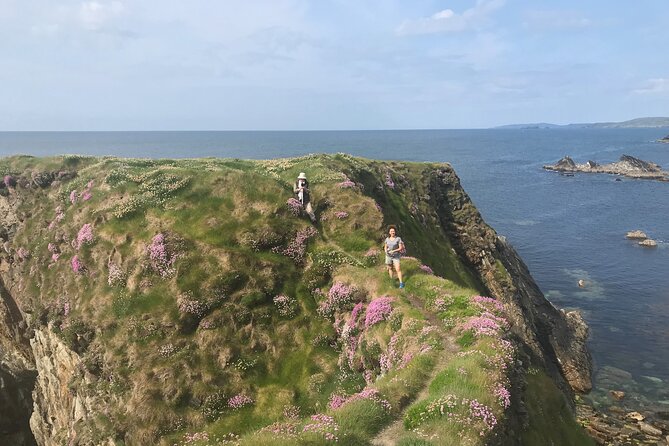
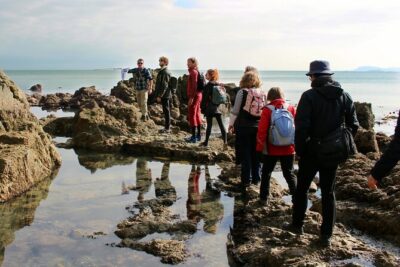
Wild West Cork rewards slow walking. The Toe Head Clifftop Hike combines cliff views, local stories, and quiet trails in a sociable group of no more than 10 people. I like the gentle 7-kilometre pace, which leaves room for photos, questions, and pauses instead of turning the outing into a race. I also like the unusual mix of sights: an Iron Age promontory fort, a deserted famine village, wild orchids, an EIRE sign, and a beach tied to both battle and wartime submarine activity.
The main consideration is the weather. This is an outdoor coastal walk, and the experience requires good conditions, so poor weather can lead to a new date or a full refund. You should also be comfortable with a moderate level of physical activity, even though the pace is designed to suit hikers of different abilities.
In This Review
- Key points to know before you go
- Why this walk feels different from a standard cliff hike
- Starting at Toe Head Coast Guard Station
- An easy 7-kilometre route with plenty of pauses
- The deserted famine village and Móin Rua heathland
- Cnoc na nGabhar and the lesser-seen coast
- The EIRE sign and Iron Age promontory fort
- Finishing at Tráigh Liceach beach
- How Conor shapes the experience
- Is $60.07 a fair price?
- Who should book this hike?
- Final verdict: a strong choice for curious walkers
- FAQ
- Where does the Toe Head Clifftop Hike start?
- What time does the hike begin?
- How long is the experience?
- How far do you walk?
- How many people can join the group?
- What sights are included?
- What happens if the weather is poor?
Key points to know before you go
- Small group, capped at 10: You get a more personal walk, with room to ask Conor questions and hear the stories clearly.
- About 7 kilometres in 2 hours 45 minutes: The pace is easy, with frequent short stops for photographs and local tales.
- A strong mix of nature and history: Expect heathland orchids, coastal views, an Iron Age fort, a famine village, and wartime stories.
- Light snacks and water are provided: Pack light, though you still need suitable clothing and footwear for a coastal hike.
- Meeting point at 9:00 am: The walk starts and finishes at Toe Head Coast Guard Station in Bawnishall, County Cork.
- Excellent guest satisfaction: The experience has a 5.0 rating from 48 reviews, with 100 percent recommending it.
Why this walk feels different from a standard cliff hike
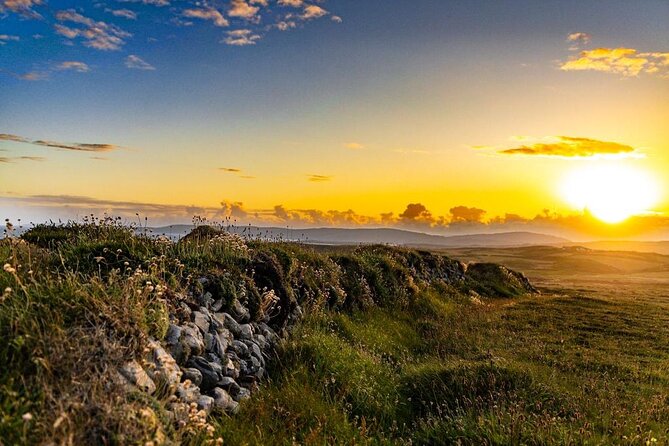
Many coastal walks give you a fine view, a path, and not much else. This one is built around the small details of Toe Head, the named places, old stories, and local knowledge that can be easy to miss when you explore alone.
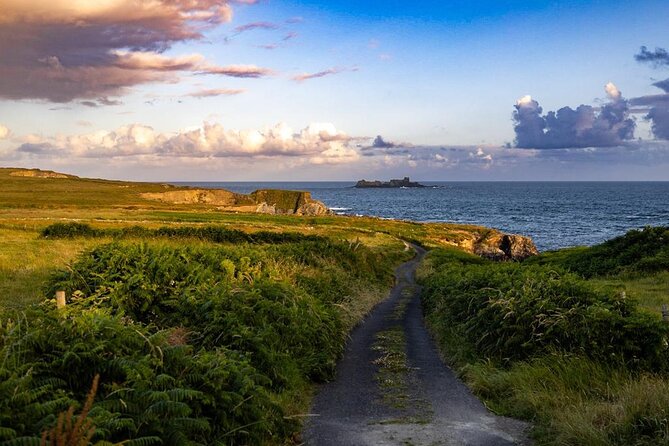
You walk through parts of West Cork that feel less familiar and less crowded than the region’s better-known stops. That does not mean the scenery is any less dramatic. It means the appeal comes from having space to look around, listen, and notice features that would otherwise pass as an ordinary field, headland, or beach.
Conor leads the walk, and the strongest part of his role is the way he links place and story. He covers local history, folklore, language, and the natural setting. He also answers questions as you go, which matters on a small walk where the guide can respond to your interests rather than simply deliver a fixed speech.
I would choose this experience if you want more than a photograph from the Wild Atlantic Way. You get scenery, but you also get a sense of how people used, named, defended, and remembered this coast.
A few more trips worth weighing up
- From Dublin: Game of Thrones Winterfell Locations Trek
★ 5.0 · 814 reviews - Dublin Coastal Hike, Pints & Puppies Adventure
★ 5.0 · 647 reviews - Cliffs Of Moher Hiking Tour from Doolin – Small Group
★ 5.0 · 324 reviews
Starting at Toe Head Coast Guard Station
The walk begins at 9:00 am at Toe Head Coast Guard Station on an unnamed road in Bawnishall, County Cork. Since both the start and finish are at the same meeting point, you do not have to arrange a second pickup location at the end.
The early start shapes the day in a useful way. You have the main walk completed in the morning, leaving time later for other plans in West Cork. It also helps create a calm rhythm, with the group setting out together rather than arriving at a major attraction during its busiest hours.
You should arrive ready to walk. The supplied information does not specify a footwear type, route surface, or transport service, so I would not treat this as a casual stroll in ordinary shoes. Wear practical walking footwear and dress for exposed coastal conditions. Pack light because water and light snacks are provided, but keep personal essentials with you.
The group limit of 10 is a real advantage here. On a narrow trail or at a viewpoint, a large crowd can make a quiet place feel crowded. With a small group, you can hear the guide, stop without a long delay, and enjoy a more relaxed social atmosphere.
An easy 7-kilometre route with plenty of pauses
The walk covers about 7 kilometres over roughly 2 hours and 45 minutes. That works out to a comfortable pace, with many short stops for photographs and stories.
I like this format for two reasons. First, you do not need to be a serious hiker to enjoy the route. The description calls for moderate physical fitness, but it also stresses that the pace is easy and suitable for people with different abilities. Second, the regular pauses help you take in the scenery instead of spending the whole walk watching your feet.
Do not mistake an easy pace for no physical effort. You are still walking for nearly three hours along a coastal route, and the terrain may require care. Your best approach is to arrive rested, carry only what you need, and tell Conor if you need a slower moment.
The social side is also important. This is not a solitary nature walk. The small group gives you company without the feel of a large coach excursion. If you enjoy asking questions, trading travel stories, and meeting other people while walking, the format should suit you well.
The deserted famine village and Móin Rua heathland
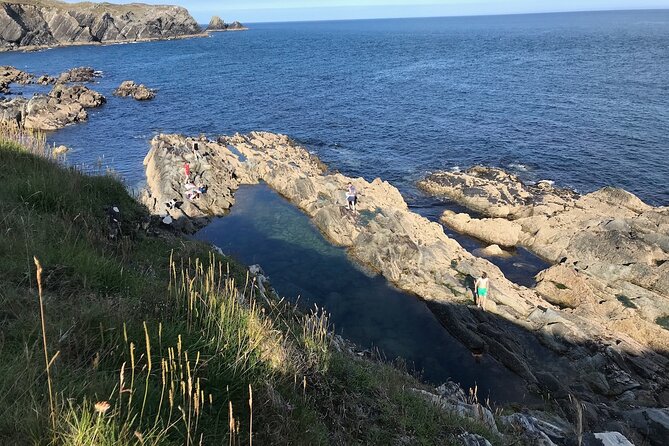
Two of the most distinctive stops are the deserted famine village and Móin Rua heathland. Together, they show two very different sides of Toe Head.
The abandoned village gives the walk a human focus. Rather than seeing the coast only as beautiful scenery, you encounter a place connected with hardship and departure. The remains are a reminder that rural Ireland was shaped by difficult choices, loss, and changing communities. Conor’s stories help give meaning to what you see, especially if the site appears quiet or sparse at first glance.
Móin Rua adds a natural counterpoint. The heathland is known for its wild orchids, a detail that rewards anyone who takes time to look closely. You may not think of a cliff walk as a place for small flowers, but that is exactly why this stop works. The outing shifts your attention from broad ocean views to the plants underfoot.
The orchid season and exact visibility are not specified, so you should not book solely on the promise of seeing flowers in bloom. Still, the heathland adds variety to the route and helps keep the walk from becoming a sequence of similar viewpoints.
A completely different kind of day out from Cork:
- From Cork: Ring of Kerry Guided Day Trip
★ 4.3 · 1,284 reviews - Cliffs of Moher and More: Full-Day Tour from Cork
★ 4.4 · 879 reviews - Cork Midleton DistilleryJameson Experience & Whiskey Tasting
★ 5.0 · 681 reviews - Ring of Kerry Day Tour from Cork: Including Killarney National Park
★ 4.5 · 663 reviews
Cnoc na nGabhar and the lesser-seen coast
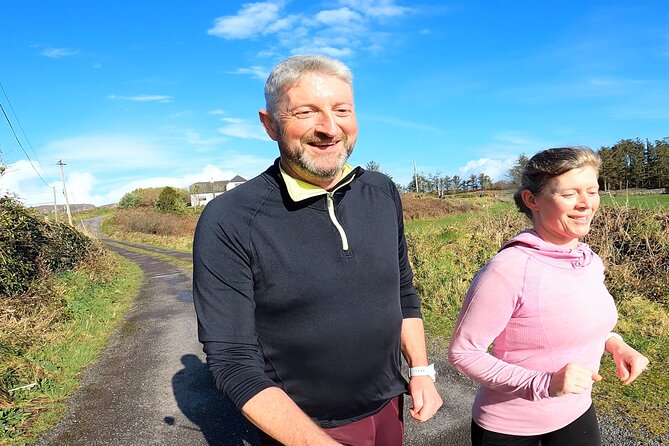
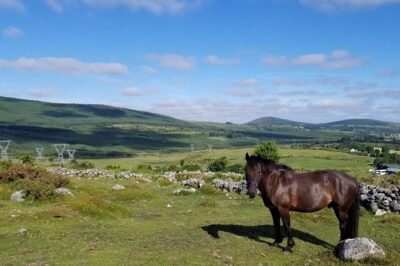
You also pass beneath or near the spectacular Cnoc na nGabhar mountain. Its presence gives the route a bigger sense of scale, with the mountain, coast, and open countryside forming a changing backdrop.
The appeal here is not just one grand viewpoint. The walk uses secret trails along the Wild Atlantic Way, allowing you to see a quieter side of a famous coastal region. Since the route includes several small named features, Conor can explain how local places carry their own stories and identity.
That local focus is where the tour earns its price. If you only want to walk beside the sea, you can find free routes. You are paying here for the guide’s time, the carefully planned loop, the small group, and the interpretation that turns a scenic outing into a fuller sense of place.
The phrase secret trails should not lead you to expect an extreme adventure. The walk is described as easy and fun, not technical or strenuous. Its value comes from access and context, not from physical challenge.
The EIRE sign and Iron Age promontory fort
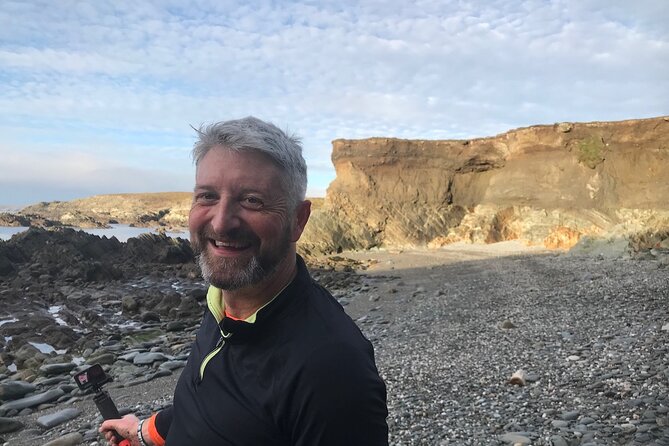
A famous EIRE sign is one of the route’s more unusual sights. These signs have a strong wartime connection and were used to identify Ireland from the air. Seeing one on the coast gives you a direct link to the country’s position during the Second World War, even though the walk also reaches further back in time.
The Iron Age promontory fort provides another layer. Built on a coastal headland, this type of fort used the natural shape of the land as part of its defence. You get both a dramatic setting and a glimpse into how people lived with danger and protection in mind long before modern roads or tourism.
The fort also comes with a local secret known only to people from the area. The available details do not reveal what that secret is, and that is probably best left to the walk itself. What matters for you is that this is not treated as a bare archaeological stop. Conor connects the site to local knowledge, which makes it more memorable than a signboard with a few dates.
You should expect interpretation rather than a formal archaeological tour. The walk’s strength is the blend of folklore, local language, place names, and historical detail.
Finishing at Tráigh Liceach beach
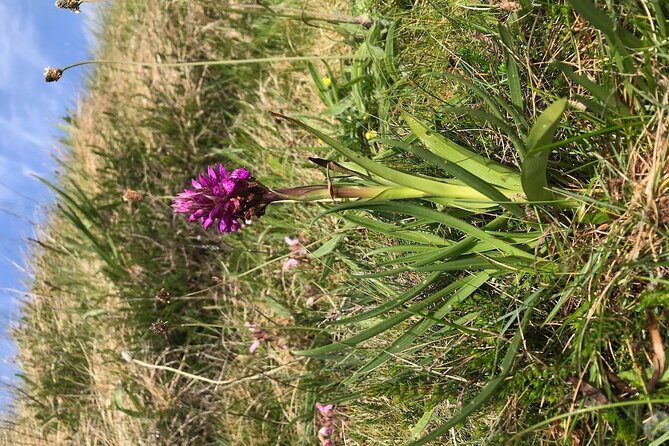
The route ends back at Tráigh Liceach, a beach with more than a pretty view. It is linked to the Battle of Tráigh Liceach and to activity involving First World War submarines along this coastline.
That combination makes the final stop especially effective. You finish with open space and the sound of the coast, but the stories remind you that this was also a working and contested part of Ireland. The beach becomes a place with memory, not just a scenic stopping point.
This is also where the experience becomes especially hospitable. Water and light snacks are provided during the outing, and the final gathering includes hot tea and homemade cookies, according to the experience details shared by past participants. Those small touches matter after a walk. They give the group time to settle, talk, and ask a final question instead of scattering the moment the route ends.
The homemade cookies are not the reason to book, of course. But they fit the character of the walk: personal, generous, and rooted in the guide’s connection to his home area.
How Conor shapes the experience
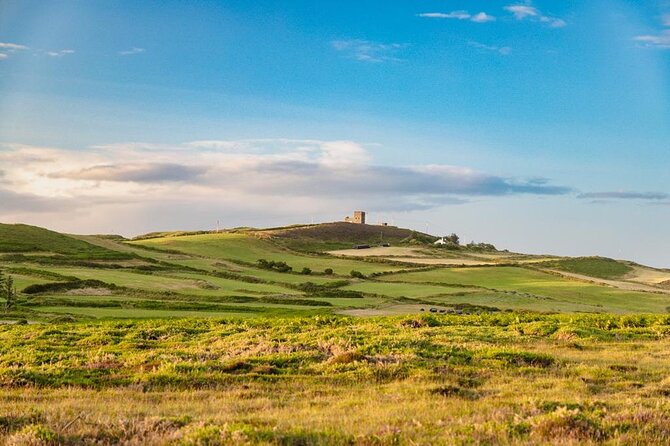
Conor is the guide’s name to remember when you book. His role is more than leading the way between points on a map. He explains the history and folklore of the area, discusses the Irish language and place names, and answers questions throughout the route.
The strongest praise centers on his storytelling and the way he handles the group. He gives people time to stop and take in the view, while still keeping the walk moving. He also provides follow-up links about subjects discussed during the outing, a thoughtful touch if you want to continue learning after you leave West Cork.
A guide can make or break a history walk. Too much information turns a pleasant hike into a lecture. Too little leaves you wondering what you just saw. The feedback here points to a good balance, with stories that support the walk rather than overwhelm it.
Because the group is limited to 10, you should have a better chance of speaking with Conor directly. That is a useful feature for anyone interested in local folklore, family connections, military history, or the Irish names of places.
Is $60.07 a fair price?
The price is $60.07 per person. That is more than the cost of walking a public trail on your own, but this is not simply a paid route through the countryside.
The fee covers about 2 hours and 45 minutes with a guide, a planned 7-kilometre loop, a maximum group size of 10, water, light snacks, storytelling, and a hot drink with homemade cookies at the end. It also gives you access to local context that would be difficult to gather from a quick online search or a roadside sign.
I see the price as fair if you value personal guiding and a small group. It is less compelling if you want a hard workout, a long full-day hike, or a self-guided walk with complete freedom to set your own pace.
The best comparison is not with a free coastal path. Compare it with a private-feeling local experience that combines nature, history, and conversation. By that measure, the cost is reasonable, particularly for people who have only a short time in West Cork and want an organised introduction to the Toe Head area.
Who should book this hike?
I would recommend it to people who enjoy scenery with a story attached. It suits couples, solo visitors, friends, and families with older children who can manage a moderate level of physical activity.
It is also a good choice if you want to escape busy sightseeing stops. The walk reaches lesser-seen parts of the Wild Atlantic Way and includes quiet pauses where you can simply look around. The small group makes it easier to enjoy those moments without feeling lost in a crowd.
You may want to choose another activity if your priority is a demanding hike, a route with no stops, or a fully self-guided outing. The pace is deliberately relaxed, and the storytelling is a central part of the experience.
Service animals are allowed. Confirmation is received at booking, and free cancellation is available if you cancel at least 24 hours before the 9:00 am start. If poor weather causes cancellation, you are offered another date or a full refund. Last-minute cancellations and changes inside 24 hours are not accepted.
Final verdict: a strong choice for curious walkers
I would book the Toe Head Clifftop Hike if I wanted a friendly, well-paced introduction to a quieter corner of West Cork. The best parts are the mix of cliff scenery, the famine village, Móin Rua’s orchids, the Iron Age fort, and the stories tied to Tráigh Liceach.
The experience is not about ticking off one famous viewpoint. It is about walking through a place with Conor as your local interpreter, stopping often, and understanding why small features matter. At $60.07, it offers good value for anyone who wants personal guiding and genuine local detail rather than a standard sightseeing circuit.
FAQ
Where does the Toe Head Clifftop Hike start?
It starts at Toe Head Coast Guard Station on an unnamed road in Bawnishall, County Cork, Ireland.
What time does the hike begin?
The start time is 9:00 am.
How long is the experience?
The hike lasts approximately 2 hours and 45 minutes.
How far do you walk?
The route covers about 7 kilometres.
How many people can join the group?
The group is limited to a maximum of 10 participants.
What sights are included?
You pass a deserted famine village, Móin Rua heathland, Cnoc na nGabhar mountain, an EIRE sign, an Iron Age promontory fort, and Tráigh Liceach beach.
What happens if the weather is poor?
The experience requires good weather. If it is cancelled because of poor conditions, you can choose another date or receive a full refund.
Just added around Cork
- Cork Chat and History Walking Tour★ 5.0 · 3 reviews
- Fastnet Rock Lighthouse direct boat tour-Baltimore.Guided.★ 3.7 · 3 reviews
- Cork Private Transfer from Cork Airport to City centre★ 5.0 · 3 reviews
- Cork Private Walking Tour★ 5.0 · 3 reviews
- Kinsale and West Cork Classic Private Tour in modern a/c minibus★ 5.0 · 4 reviews
- Explore Cork City and Cork Harbour Greenway by Bike★ 5.0 · 5 reviews
- County Cork: 1-Hour Titanic Centenary Tour★ 3.6 · 5 reviews
- Cork: Midleton Distillery (Jameson) Premium Whiskey Tasting★ 5.0 · 5 reviews
Hiking & Trekking, compared.
Cliffs Of Moher Hiking Tour from Doolin – Small Group
Read our review →
Howth Hiking Trail from Dublin: Mythology and Legend
Read our review →Browse the lists this tour appears in