
Reviewed · WALKING TOURS
Cork Private Walking Tour
Cork rewards curious walkers. This private tour connects an ancient monastic settlement with Viking raids, Norse trade, the Black Death, and the Irish Civil War, giving you a clear sense of how this river city grew. I like the private format, which keeps the pace flexible, and I like the chance to focus on Cork’s churches, narrow streets, English Market, and River Lee in one compact outing. The main consideration is time: two hours gives you a useful introduction, not a full examination of every historic site.
The guide stays with your group alone, with room for possible changes along the way. Monica has earned particular praise for being informed, friendly, engaging, and generous with her time. Entrance fees are not included, so this works best as a walking orientation rather than a ticketed attraction tour.
In This Review
- Key points to know before you book
- Starting at the National Monument on Grand Parade
- From monastic settlement to a city on the Lee
- Viking raids and Cork’s Norse trading links
- Churches, streets, and Cork’s built character
- The English Market and the taste of working Cork
- Disease, dynastic war, and Cork’s ability to endure
- The Irish Civil War and the modern rebel city
- A private two-hour format, and what it buys you
- Who will get the most from this Cork walk
- Should you book the Cork Private Walking Tour?
- FAQ
- Where does the Cork Private Walking Tour begin?
- Where does the tour end?
- How long does the walking tour last?
- How much does the private tour cost?
- How many people can join the private group?
- What language does the guide speak?
- Are entrance fees included?
- Can I cancel the booking for a refund?
Key points to know before you book
- Cork’s story begins with a monastic settlement: The tour puts the city’s later trade and politics into an older religious setting.
- Viking and Norse connections shape the walk: You learn how Cork became part of wider Scandinavian trading routes.
- The English Market adds everyday Cork flavor: Its food stalls and aromas bring the city’s commercial past into the present.
- The route covers more than medieval history: The Black Death, the Wars of the Roses, and the Irish Civil War all enter the story.
- A private group of up to 15 keeps the experience personal: You can ask questions without sharing the guide with a large crowd.
- The walk begins and ends at the National Monument: That simple meeting arrangement makes it easy to fit into a day in central Cork.
Starting at the National Monument on Grand Parade
The walk begins at the National Monument, at 48 Grand Parade in central Cork. This is a practical starting point because you meet in the heart of the city, rather than spending part of your two hours reaching the old center.
Arrive with comfortable shoes and a little spare time. The experience is on foot, and the description points to narrow streets, churches, the English Market, and the River Lee. Cork is a city where the history is close together, but walking surfaces and street crossings still make sensible footwear worthwhile.
Your guide is there to interpret the city rather than simply point at buildings. That distinction matters. A historic facade can be easy to overlook when you do not know what happened there, while a short explanation about trade, disease, war, or religion can make an ordinary street feel significant.
The meeting point also makes this a useful first activity in Cork. You can use the walk to understand the layout, hear suggestions from your guide, and decide where to return later. Since the tour ends at the same point, you are not left trying to find your way back from an unfamiliar neighborhood.
More Walking Tours in Cork
- Cork: Guided Historical Walking Tour
★ 4.7 · 310 reviews - The Titanic Trail: 1-Hour Guided Walking Tour of Cobh
★ 4.8 · 78 reviews - Cork Instagram Photography Walking Tour
★ 5.0 · 54 reviews
From monastic settlement to a city on the Lee
One of the strongest ideas in this tour is Cork’s early identity as a religious settlement. The city did not appear fully formed as a trading port or political center. Its story begins with an ancient monastic settlement, giving you a starting point for understanding why this part of the River Lee became important.
The river is central to the experience. You will stretch your legs along scenic sections of the Lee while hearing how the city developed around movement, commerce, and settlement. The walk does not treat the river as just a pretty backdrop. It helps explain Cork’s physical character and its long connection with the wider world.
I appreciate this kind of chronological approach because it makes the city easier to read. Instead of receiving a list of disconnected dates, you can follow a sequence: religious beginnings, Viking arrival, commercial growth, disease and conflict, and later political upheaval.
The guide may also point out how Cork’s architecture reflects different periods. The information provided does not promise entry into specific churches or buildings, so expect exterior interpretation unless an entrance is arranged separately. That is important if you want a museum-style visit with extended indoor time. This walk is primarily about seeing the city and hearing its stories as you move through it.
Viking raids and Cork’s Norse trading links
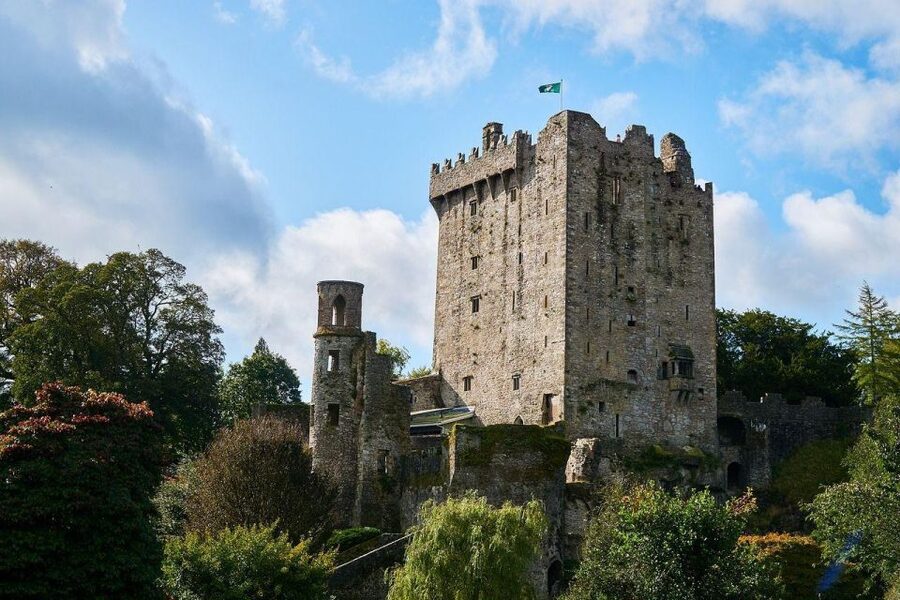
Cork’s Viking chapter gives the tour an especially strong hook. You will hear about Viking invaders and Norse settlers, not as a brief footnote but as part of the city’s growth into a trading center.
The useful point here is that the Viking story is connected to commerce. The tour explains Cork’s role in a wider Scandinavian trade network, showing that the city’s importance came from more than local exchange. Cork was linked to routes that reached beyond Ireland, and those connections helped shape its economic life.
That broader view can change how you see the streets. A lane or riverfront area may appear small and local today, yet the story attached to it can reach far beyond the city. You are not simply hearing that Vikings arrived. You are learning how settlement, shipping, and trade affected Cork’s place in the region.
The tour also covers Cork as a vital trading center. This is valuable for visitors who want more than a list of Viking facts. The focus is on cause and effect: the river helped movement, movement supported trade, and trade helped Cork survive and grow.
Since the tour lasts two hours, the Viking material will be part of a wider narrative rather than a specialist archaeology walk. If your main interest is Viking history, ask your guide at the start how much time can be devoted to that subject. The private format gives you a better chance of shaping the discussion than a large scheduled group would.
Churches, streets, and Cork’s built character
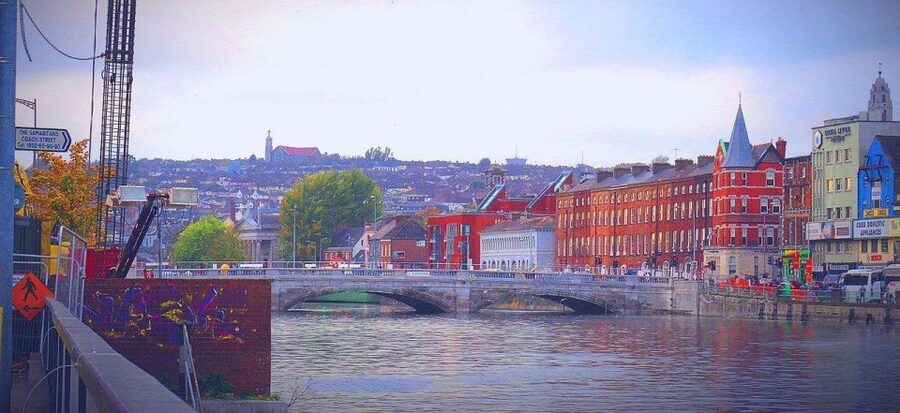
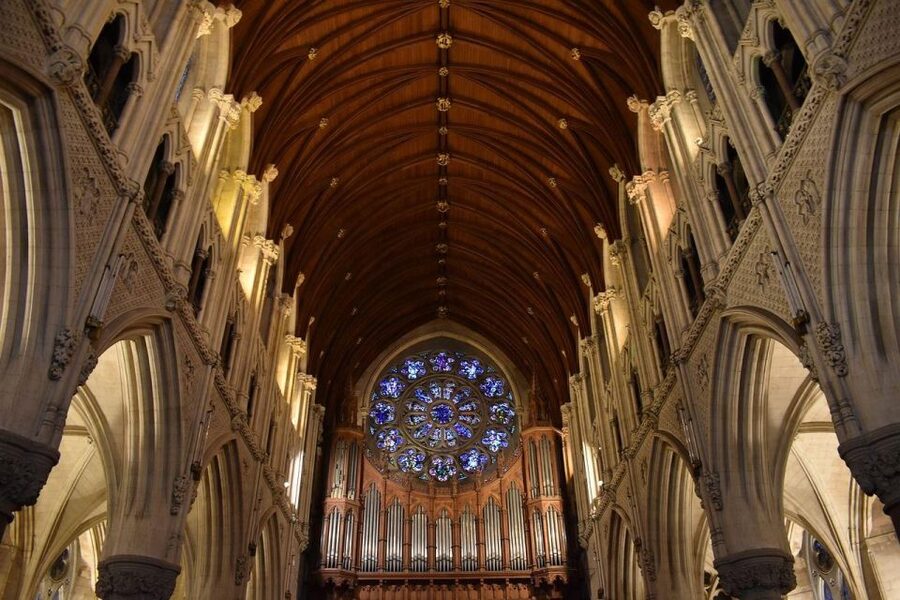
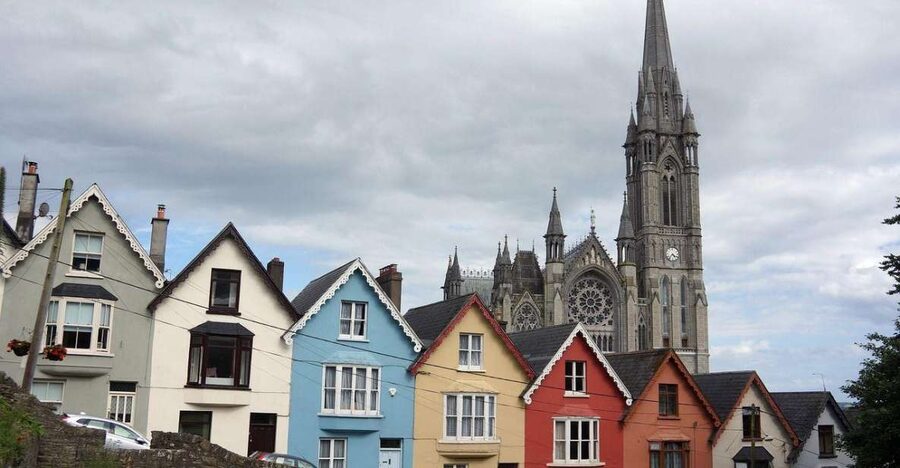
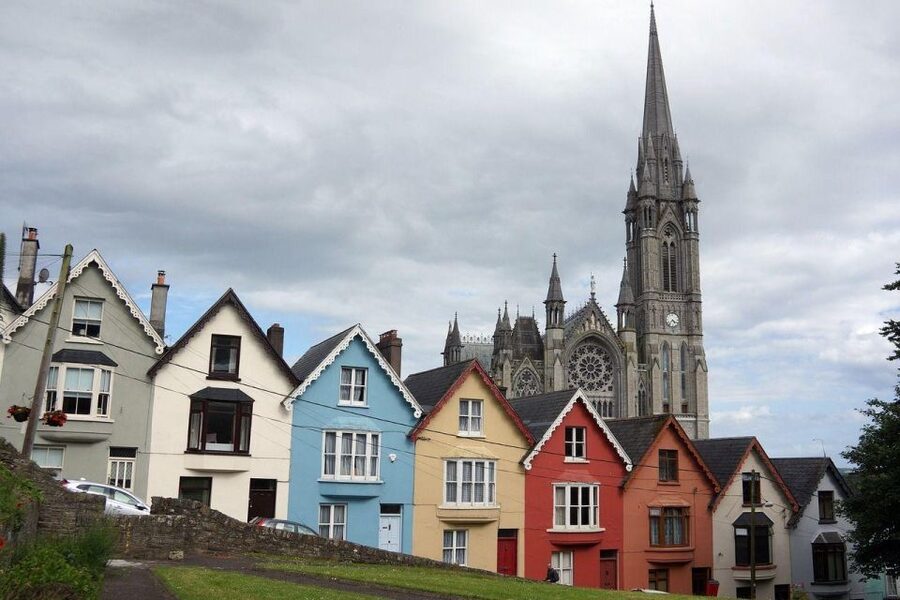
Cork is presented as an architectural city, and the walk uses its churches and streets to show that character. You will pass through narrow routes lined with shops, pubs, cafes, and restaurants, where daily life sits directly alongside older layers of the city.
That mixture is one of the pleasures of a walking tour. You do not experience Cork as a silent historic display. You see a working city, with people shopping, eating, and moving through the same streets where earlier generations lived and traded.
The churches add another layer. They help connect the city’s religious beginnings with its later development, though the supplied details do not identify particular churches or confirm interior visits. You should therefore think of these stops as opportunities for explanation and viewing, not guaranteed admission to every building.
A private guide can also make the architecture more approachable. You can ask why a building matters, what period it represents, or how it relates to Cork’s changing fortunes. This is where Monica’s reported style is especially appealing. She is described as allowing plenty of time, keeping the visit informative and fun, and engaging with the group rather than rushing from one point to the next.
The city’s narrow streets may be part of the charm, but they can also make the walk feel busy at times. Anyone who prefers broad avenues and long pauses should know that this is an active city walk. You are moving through Cork as it is now, not touring a preserved village.
A completely different kind of day out from Cork:
- From Cork: Ring of Kerry Guided Day Trip
★ 4.3 · 1,284 reviews - Cliffs of Moher and More: Full-Day Tour from Cork
★ 4.4 · 879 reviews - Cork Midleton DistilleryJameson Experience & Whiskey Tasting
★ 5.0 · 681 reviews - Ring of Kerry Day Tour from Cork: Including Killarney National Park
★ 4.5 · 663 reviews
The English Market and the taste of working Cork
The English Market is one of the tour’s most appealing stops. Its aromatic food stalls give the history a practical, sensory edge. You can connect Cork’s trading past with the simple act of seeing and smelling food being sold in a busy indoor market.
The market is valuable because it brings commercial history down to street level. Viking connections and international trade can sound abstract, but a market makes the idea tangible. Goods arrive, sellers serve local customers, and the city’s economic life becomes something you can see.
Do not expect the two-hour walk to function as a dedicated food tour. The market appears as one element in a broader city story, and entrance fees are not included. If you want to shop or eat there at length, plan extra time after the tour.
The market can also be a good place to ask your guide for practical suggestions. The tour is designed to allow possible customization on the spot, so you may be able to express an interest in food, commerce, architecture, or another part of Cork’s story. The exact balance depends on your guide and the group’s interests, but the private setup gives you a reasonable chance to steer the conversation.
Disease, dynastic war, and Cork’s ability to endure
The historical range is wider than the Viking period. You will also hear about the Black Death and the Wars of the Roses, two major forces that affected medieval Europe and Ireland in different ways.
These subjects help place Cork in a larger setting. The city was not isolated from major events beyond its streets. Disease changed communities, while dynastic struggles altered political and economic conditions. The tour uses those events to show how Cork’s fortunes were tied to wider pressures.
This section may appeal to you if you prefer history with some context rather than local trivia alone. You get a sense of how ordinary urban life could be shaped by events that began far away or unfolded over many years.
At the same time, a two-hour walk cannot give equal attention to every century. You should expect a brisk historical sweep, with memorable stories and connections rather than detailed coverage of each conflict. If you want a highly focused study of the Black Death or the Wars of the Roses, this is probably not the right format. If you want to understand how those events fit into Cork’s long story, the coverage should be useful.
The Irish Civil War and the modern rebel city
The tour closes its historical arc with Cork’s role in the Irish Civil War. That subject connects the medieval past to a much more recent period of political division and upheaval.
Cork is known as Ireland’s rebel city, and this part of the walk explains why that label carries weight. The Irish Civil War was not a distant medieval episode. Its memory is closer to modern Ireland, and it helps explain the political character associated with Cork.
Including the Civil War makes the experience more than an old-town walk. You move from monastic origins and Viking trade to the pressures that shaped twentieth-century Ireland. That range is one of the tour’s strongest features.
The details supplied do not name specific Civil War sites or promise access to memorials, museums, or interiors. Expect the guide to interpret the subject through the city rather than take you through a dedicated war museum. If you are especially interested in modern Irish politics, tell the guide at the beginning so the available time can be used well.
A private two-hour format, and what it buys you
The price is $284 per group of up to 15 people. That figure looks high for a two-hour walk if you are booking for one or two people, but the value changes sharply when shared across a larger party.
For example, a full group of 15 pays about $19 per person. A group of six pays about $47 per person, while two people would effectively pay $142 each. The private format makes the most sense for families, friends, or a small organization that wants one guide and a shared pace.
You are paying for more than a route. You get a local professional guide who remains with your group, the ability to ask questions freely, and possible customization during the walk. That can be worthwhile if you dislike generic commentary or want the guide to spend more time on Vikings, churches, the market, trade, or the Civil War.
The tradeoff is that entrance fees are extra, and the walk lasts only two hours. You should not judge the price as if it includes several attractions or a full-day program. Think of it as a private city introduction, with the cost becoming more attractive as your group grows.
The small review sample is very positive, with a perfect five-star score from three ratings. The strongest praise centers on the guide’s personal qualities. Monica is described as accommodating, informative, fun, and engaging, and one account specifically highlights the amount of time she gave the group. Those details suggest a relaxed teaching style, though no guide can guarantee the exact same emphasis for every group.
Who will get the most from this Cork walk
I would recommend this experience to you if you want a clear first look at Cork and prefer human explanation to reading plaques on your own. It suits history-minded visitors who enjoy connecting architecture, trade, religion, disease, and politics in one walk.
It also fits families and groups of friends well. A private guide can adjust the tone and answer questions without the social awkwardness of interrupting a large group. The group limit of 15 is generous, so the value is strongest when several people are traveling together.
Food lovers may enjoy the English Market portion, especially if they plan to return afterward. Architecture fans will appreciate the churches and old streets, while anyone interested in Irish political history will find the Civil War section useful.
I would hesitate if you want a long indoor tour, guaranteed entry to named attractions, or a highly specialized study of one period. You should also consider the per-person cost if you are booking for only one or two people. The walk provides context and local guidance, but the listed price does not include admission charges.
You can cancel up to 24 hours ahead for a full refund, and the reserve-now, pay-later option keeps your plans flexible. The live guide speaks English or Irish. Those details are useful if your schedule is still changing, but the real decision is whether a private introduction to Cork suits your interests.
Should you book the Cork Private Walking Tour?
Book it if you are traveling with a group and want Cork’s story explained in person, from its monastic beginnings and Norse links to the English Market and Irish Civil War. The private structure, flexible conversation, and praise for Monica’s warm guiding style are the strongest reasons to choose it.
For a couple, compare the price with a shared walking tour before booking. For six or more people, the cost becomes easier to justify, especially if you value a guide who can adjust the route and spend time on your questions.
This is best viewed as a smart two-hour orientation. It gives you the background to appreciate Cork’s churches, streets, market, and river, then leaves you free to explore further on your own.
FAQ
Where does the Cork Private Walking Tour begin?
It begins at the National Monument, 48 Grand Parade, Centre, Cork, T12 PY86, Ireland.
Where does the tour end?
The activity ends back at the meeting point.
How long does the walking tour last?
The tour lasts two hours. Starting times depend on availability.
How much does the private tour cost?
The price is $284 per group of up to 15 people.
How many people can join the private group?
The private group can include up to 15 people.
What language does the guide speak?
The live tour guide speaks English or Irish.
Are entrance fees included?
No. Entrance fees are not included in the tour price.
Can I cancel the booking for a refund?
Yes. You can cancel up to 24 hours in advance for a full refund.
Just added around Cork
- Cork Chat and History Walking Tour★ 5.0 · 3 reviews
- Fastnet Rock Lighthouse direct boat tour-Baltimore.Guided.★ 3.7 · 3 reviews
- Cork Private Transfer from Cork Airport to City centre★ 5.0 · 3 reviews
- Kinsale and West Cork Classic Private Tour in modern a/c minibus★ 5.0 · 4 reviews
- Explore Cork City and Cork Harbour Greenway by Bike★ 5.0 · 5 reviews
- County Cork: 1-Hour Titanic Centenary Tour★ 3.6 · 5 reviews
- Cork: Midleton Distillery (Jameson) Premium Whiskey Tasting★ 5.0 · 5 reviews
- Clonakilty Distillery: Tour & Classic Whiskey Tasting★ 4.4 · 5 reviews
Walking Tours, compared.
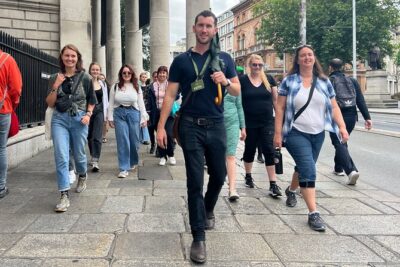
Dublin Highlights and Hidden Gems Guided Walking Tour
Read our review →

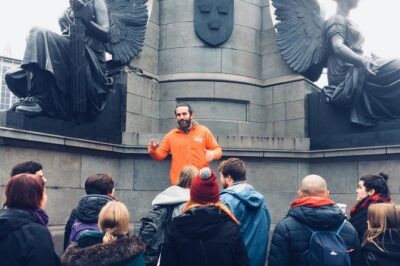
90 Minute Dublin Walking tour and Sightseeing tips
Read our review →

Historical 2-Hour Guided Walking Tour of Dublin
Read our review →
Dublin Traditional Irish 3 Course Meal Walking Tour with Local
Read our review →
Browse the lists this tour appears in