Reviewed · DUBLIN TOURS
Windmill Lane Recording Studios – Visitor Experience
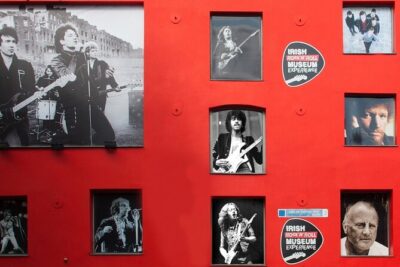
Music comes alive behind closed doors. Windmill Lane Recording Studios gives you a guided look at Dublin’s famous working studio, with stories about major artists, hands-on sound demonstrations, and a chance to mix your own track. I like the small groups of up to 15 people and the way the tour moves beyond display cases into real recording equipment. I also like that guides such as Maria, Marie, and Ross can explain both the musical stories and the technical side of studio work.
The main thing to consider is the location. The studio sits at 20 Ringsend Road in Dublin 4, outside the busiest central sightseeing area, though it is an easy 20 to 30 minute walk from Trinity College. Since this is a working studio, you must book ahead, and the roughly one-hour visit may feel brief if you want a long technical lesson.
In This Review
- Key Points Before You Go
- Why Windmill Lane Matters in Dublin
- Entering at 20 Ringsend Road
- Inside the Three Studios
- How a Recording Session Works
- Meet the Virtual Band and Mix Your Own Session
- The Stories Behind the Equipment
- Is the $31.44 Price Fair?
- Who Will Enjoy This Most?
- Timing, Booking, and Cancellation
- My Verdict on Windmill Lane
- FAQ
- How long does the Windmill Lane Recording Studios tour last?
- How much does the tour cost?
- Where does the tour start and finish?
- Is the tour offered in English?
- Do I need to book Windmill Lane Recording Studios in advance?
- Can I cancel for a full refund?
- Are service animals allowed?
Key Points Before You Go
- See a working Dublin recording studio: This is not just a music display. Windmill Lane continues to operate as a recording facility, so you get a look at a real creative workplace.
- Hear stories about major artists: The tour covers musicians and bands connected with the studios, including famous names from rock and popular music.
- Try the mixing desk yourself: The interactive mixing session gives you a feel for the producer’s role instead of leaving you to simply watch.
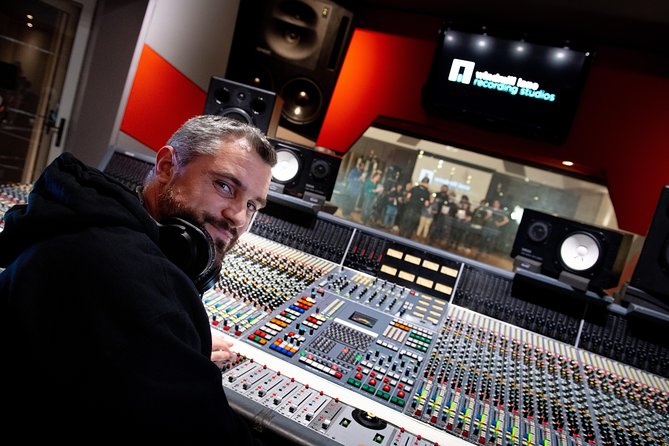
- Explore three studio spaces: The visit includes access to the different studios, including Studio 1 and its large Neve analog mixing board.
- Enjoy a technical sound demonstration: You learn how sound works and how recording tools shape the final result.
- Plan for a small, advance-booked visit: The group limit is 15, and free cancellation is available up to 24 hours before the start time.
Why Windmill Lane Matters in Dublin
Dublin has plenty of music connections, but Windmill Lane offers something different from a statue, plaque, or themed pub. You are entering the place where music was actually recorded, shaped, adjusted, and prepared for release.
The studio’s appeal comes from that working identity. It is not presented as a frozen museum. The rooms, equipment, and stories connect to the practical work of making a record. You learn that recording is not simply a singer standing at a microphone while someone presses a button. It involves sound levels, instruments, microphones, mixing choices, technology, and plenty of judgment.
That makes this a good choice for you if you enjoy seeing how things function. It also works if you know little about music production. The tour is designed to explain the process in approachable terms, and the interactive sections give you something to do with the information.
The studios have hosted important artists and bands over many years. The stories are a large part of the experience, but the guide does not need to rely on celebrity name-dropping alone. The best moments come when the artist stories are tied to the rooms and tools in front of you.
A few more trips worth weighing up
- Dublin to Cliffs of Moher, including Wild Atlantic Way and Galway
★ 5.0 · 23,331 reviews - From Dublin: Cliffs of Moher, Burren & Galway City Day Tour
★ 4.8 · 18,888 reviews - Dublin: Guinness Storehouse Entry Ticket
★ 4.6 · 16,863 reviews
Entering at 20 Ringsend Road
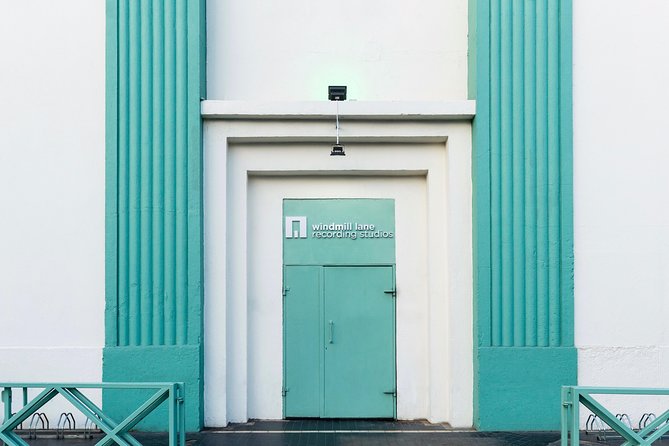
The meeting point is Windmill Lane Recording Studios, 20 Ringsend Road, Dublin 4, D04 CF66. The studio is near public transportation, and it is also reachable on foot from the Trinity College area in about 20 to 30 minutes.
I like the walk because it gives you a look at a less tourist-heavy part of Dublin. You leave the main sightseeing route and see a different side of the city before entering one of its best-known music workplaces. Still, allow enough time to arrive without rushing. The tour runs to a set schedule, and late arrival could reduce the time you have inside.
The location may appear slightly removed if you are staying around Temple Bar or O’Connell Street. That is not a major problem, but it does affect your day plan. Treat the visit as a short outing rather than something to squeeze between two attractions on the same street.
The group size is limited to 15 people. That matters here. A recording studio is full of equipment, controls, and details that are easy to miss in a large crowd. A smaller group gives you a better chance to hear the guide, ask questions, and take part in the mixing activity.
Inside the Three Studios
The tour introduces you to the studios and their place in music production. One particularly memorable feature is Studio 1, where you can see the large Neve analog mixing board. For anyone interested in recording, this equipment is a major attraction in its own right.
You do not need to be able to explain every control to appreciate the board. Its scale makes the work of mixing music feel physical and precise. Instead of imagining a producer adjusting sound somewhere behind the scenes, you can see the console and understand how many decisions go into a finished track.
The visit also includes the other studio spaces. Seeing three different studios helps you compare the working areas and understand that a recording facility is not one identical room repeated three times. The setting gives the history some weight because you are hearing about music in the same kind of place where music was produced.
Photography opportunities are available during the visit, according to the information provided about the tour. You should still follow the guide’s instructions, since this is an operating studio and sessions or equipment may require care.
How a Recording Session Works
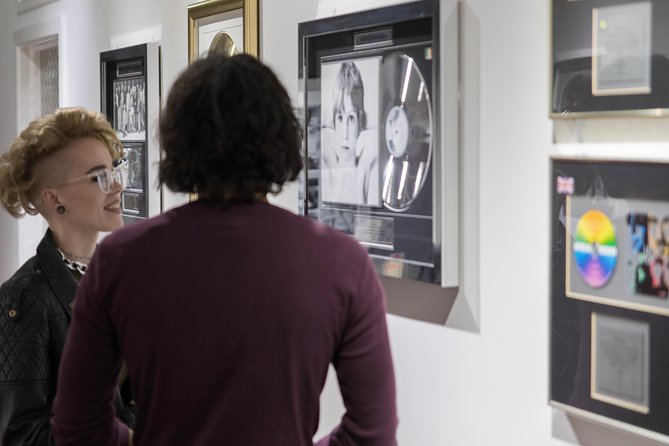
One of the strongest parts of the experience is the explanation of a recording session. You learn how the process works, from capturing sound to shaping the final mix.
The guide may explain the role of engineers, composers, producers, and other studio staff. That is useful because many music fans know the performer but not the people who make the recording possible. The visit shows how technical choices affect what you hear.
A sound demonstration adds another layer. It helps explain what sound does and how the studio controls it. Even if you have no musical training, this gives you a clearer idea of why recording spaces and equipment matter.
For people with technical interests, the tour can go well beyond the basics. Maria, identified in the experience information as a composer and engineer, has been praised for handling detailed questions about recording. Other guides, including Marie and Ross, have been singled out for their enthusiasm, friendliness, and ability to make the subject engaging.
Guide quality is important here because a studio tour can easily become a list of names and machines. The best version is a conversation, where you can ask why a piece of equipment matters or how a particular recording process works. The small group format supports that kind of exchange.
A completely different kind of day out from Dublin:
- Dublin to Cliffs of Moher, Burren, Wild Atlantic Way, Galway Tour
★ 5.0 · 12,924 reviews - Dublin to Belfast Black Cab, Dunluce Castle and Giant’s Causeway
★ 5.0 · 7,954 reviews - Kilkenny, Wicklow Mountains & Glendalough Day Tour from Dublin
★ 5.0 · 7,897 reviews - From Dublin: Wicklow Mountains, Glendalough & Kilkenny Tour
★ 4.8 · 6,235 reviews
Meet the Virtual Band and Mix Your Own Session
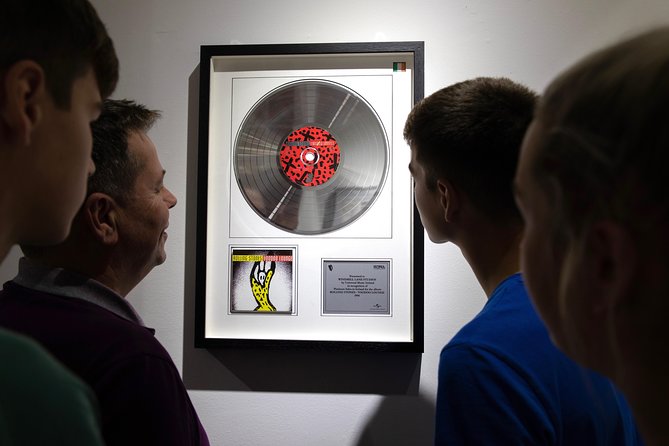
The interactive elements make Windmill Lane more than a walk through rooms. You meet a virtual band and then get a chance to mix your own session.
This is the point where the tour becomes easy to remember. You are not simply told that mixing involves balancing different sounds. You get a practical sense of the job by adjusting the elements of a session yourself.
I like this feature because it works for different types of visitors. A musician may focus on the production choices. A parent visiting with a child may enjoy the hands-on activity. Someone who came along mainly because a partner loves music can still take part without needing any previous experience.
The mixing activity is also a useful reminder that a recording is constructed. Small changes can affect the balance and feel of a piece. You begin to understand why producers and engineers spend so much time refining a track.
The activity is not a full recording course, and the one-hour duration limits how far it can go. Think of it as a lively introduction rather than professional training. For most people, that is the right balance on a sightseeing day.
The Stories Behind the Equipment
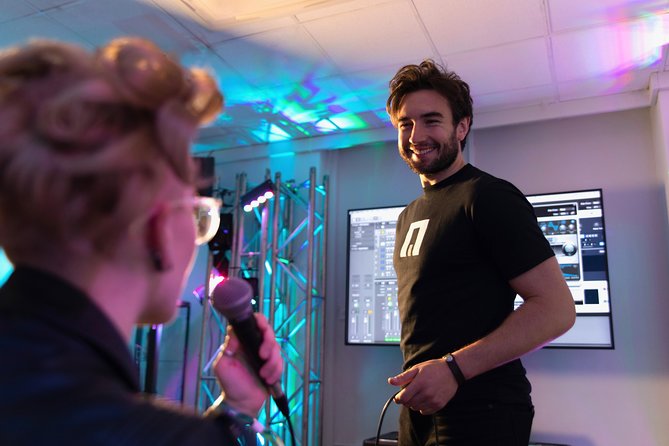
The studios’ connection with well-known musicians gives the visit its emotional pull. You hear about the artists who recorded there and the work created inside the building.
Specific stories can make the rooms feel immediate. One account noted that Bruce Springsteen had been in the same studio just two weeks before the visit. Details like this connect the present-day tour with the continuing life of the facility.
You may also hear anecdotes about famous artists and unusual moments from the studio’s past. The value is not simply in recognizing names. It is in picturing the recording process as a working collaboration, with performers, engineers, and staff sharing these rooms.
The studio has a strong rock and popular music connection, which will appeal most to people who enjoy that side of music. Still, you do not need to identify every band mentioned. The guide explains enough of the setting and process to keep the tour understandable.
The small gift shop is another modest plus. It is not described as large, but it carries a range of items for music fans. If you want a souvenir with a clear connection to the visit, it gives you an easy option at the end.
Is the $31.44 Price Fair?
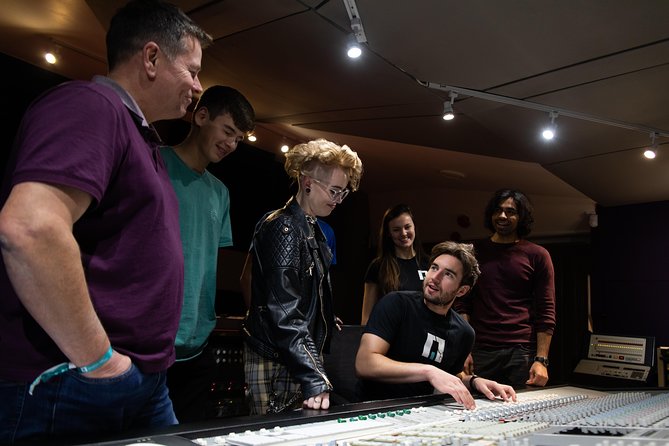
At $31.44 per person, this is not Dublin’s cheapest one-hour activity. Its value depends on what you want from a tour.
If you only want a quick look at a famous building, the price may feel high for the duration. You receive about one hour inside, and the tour does not promise a concert, a live artist recording, or a long performance.
I think the price makes more sense if you value access and participation. You are seeing a working recording studio, learning how sessions operate, hearing stories about artists, experiencing a sound demonstration, and mixing your own session. Those are distinct parts of the visit, not one short talk in a hallway.
The guide also affects the value. A guide such as Maria, Marie, or Ross can answer questions and adjust the conversation for people with different levels of musical knowledge. That personal element is important in a small group.
For a music fan, the cost is easier to justify than for someone who has no interest in recording or music history. Families and couples may still find it worthwhile because the hands-on sections give non-musicians a way into the subject.
Who Will Enjoy This Most?

I would recommend Windmill Lane to:
- Music fans who want to connect famous recordings with a real Dublin studio
- Amateur musicians and producers interested in studio equipment
- People curious about the technical steps behind recorded music
- Families looking for an activity that is interactive rather than purely observational
- Couples or friends who want to explore a less touristy part of Dublin
- Visitors who enjoy knowledgeable guides and small-group tours
You do not need to be a musician. The sound demonstration and virtual band activity help make the tour accessible to beginners.
You may want to choose another activity if your main goal is a long concert, a full recording session, or a broad tour of Dublin’s music scene. Windmill Lane focuses on one studio and the process of making records.
The activity calls for a moderate level of physical fitness. The supplied information does not give detailed accessibility notes, so contact the provider directly if you have specific mobility questions. Service animals are allowed.
Timing, Booking, and Cancellation
The visit lasts approximately one hour and is offered in English. A mobile ticket is available, and confirmation is provided when you book.
Advance booking is essential because Windmill Lane is a working studio, not a site that can simply accept unlimited walk-in visitors. The experience is often reserved about 33 days ahead, so you should not leave it until the last part of your Dublin stay if the timing matters.
The maximum group size is 15 people. That limit helps preserve the intimate feel and makes the mixing activity more practical.
You can cancel for a full refund up to 24 hours before the start time. Cancellations or changes made less than 24 hours before the visit are not accepted for a refund, and the cut-off follows Dublin local time.
My Verdict on Windmill Lane
I would book this tour if you want a hands-on music experience rather than another standard sightseeing stop. The strongest features are the working-studio setting, the stories about major artists, the sound demonstration, and the chance to mix your own session.
The one-hour length is both a strength and a limit. It fits neatly into a Dublin day, but serious recording enthusiasts may wish it lasted longer. The Ringsend location takes a little planning, yet the walk from Trinity College offers a useful change of scene.
For music lovers, Windmill Lane is an easy recommendation. For everyone else, I would book it if the interactive side appeals to you. You do not have to know a mixing console from a coffee table, but you should be curious about how recorded music is made.
FAQ
How long does the Windmill Lane Recording Studios tour last?
The experience lasts approximately one hour.
How much does the tour cost?
The listed price is $31.44 per person.
Where does the tour start and finish?
It starts at Windmill Lane Recording Studios, 20 Ringsend Road, Dublin 4, D04 CF66, Ireland, and ends back at the same meeting point.
Is the tour offered in English?
Yes. The experience is offered in English.
Do I need to book Windmill Lane Recording Studios in advance?
Yes. Advanced booking is essential because the studio is a working recording facility, and the group is limited to 15 people.
Can I cancel for a full refund?
Yes. You can cancel at least 24 hours before the local start time for a full refund. Cancellations or changes made less than 24 hours before the start time are not accepted for a refund.
Are service animals allowed?
Yes. Service animals are allowed on the activity.
Just added around Dublin
- A Self Guided Walking Tour of Dublin’s Docklands★ 4.5 · 3 reviews
- Waterford Crystal and Kilkenny Full-Day Rail Tour from Dublin★ 5.0 · 3 reviews
- Secret and unusual Dublin: guided walking tour★ 5.0 · 3 reviews
- Turtle Bunbury’s Dublin: A Self-Guided Audio Tour from a Celebrated Author★ 5.0 · 3 reviews
- Cliffs of Moher and The Burren Private Tour from Dublin★ 5.0 · 3 reviews
- Skip-the-line St. Patrick’s Cathedral and Dublin City Tour★ 5.0 · 3 reviews
- Dublin Full-Day Tour through Boyne Valley★ 5.0 · 3 reviews
- Rock Of Cashel And Blarney Castle Private Chauffeur Full Day Sightseeing Tour★ 4.5 · 3 reviews
Dublin Tours, compared.

Dublin to Cliffs of Moher, including Wild Atlantic Way and Galway
Read our review →
Cliffs of Moher, Burren & Galway City Day Tour
Read our review →

Dublin to Cliffs of Moher, Burren, Wild Atlantic Way, Galway Tour
Read our review →
Dublin to Belfast Black Cab, Dunluce Castle and Giant’s Causeway
Read our review →
Kilkenny, Wicklow Mountains & Glendalough Day Tour from Dublin
Read our review →
Wicklow Mountains, Glendalough & Kilkenny Tour
Read our review →