
Reviewed · HISTORICAL TOURS
Cobh: Guided Historic Walking Tour
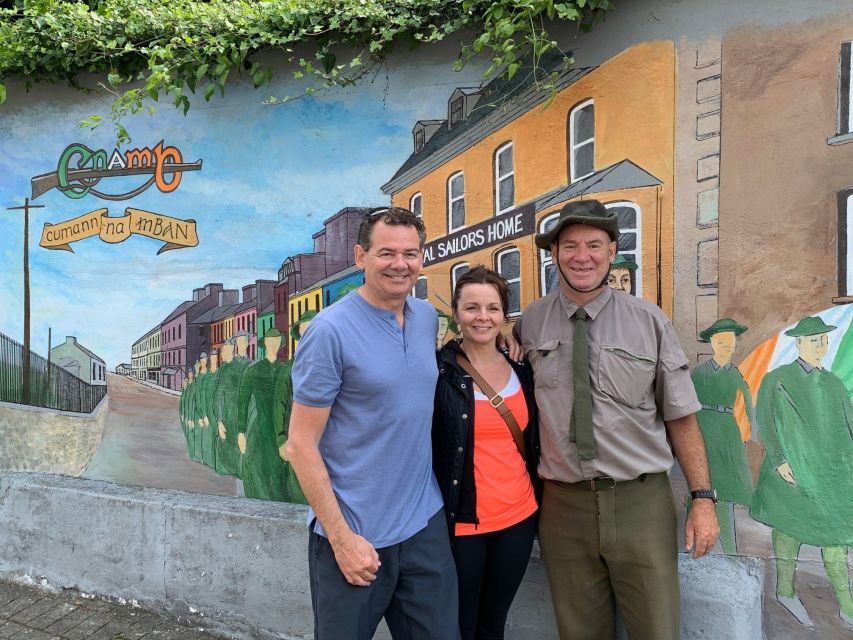
Cobh’s streets hold stories beneath ordinary footsteps. This two-hour walk brings Irish history into focus through 16 real sites, including ambush locations, safe houses, training halls, barracks, and detention places. I like the personal style of guide Kieran, and I like that the tour connects Cobh’s local past with larger events such as the potato famine and the fight for independence. The main drawback is practical: the route begins with a small hill and is not suitable for people with mobility impairments.
The pace is gentle, with time for questions and conversation rather than a nonstop speech. At $40 per person, the tour is best value for visitors who want local detail and military history, not simply a quick look at Cobh’s waterfront. Bring comfortable shoes, rain gear, and an umbrella. Irish weather does not need an invitation.
In This Review
- Key points to know before you go
- Starting beside the quay at Cobh Heritage Centre
- Sixteen places that turn history into something physical
- From the potato famine to the fight for independence
- Kieran’s conversational way of guiding
- Why the $40 price can make sense
- A leisurely walk, not a sightseeing sprint
- Who will enjoy this Cobh walking tour most
- Practical details that make the day easier
- Should you book the Cobh Rebel Walking Tour?
- FAQ
- Where does the Cobh guided walking tour begin?
- Where does the tour finish?
- How long does the walking tour last?
- What historical places will I visit?
- Is the Heritage Centre included?
- What should I bring, and is the route suitable for everyone?
Key points to know before you go
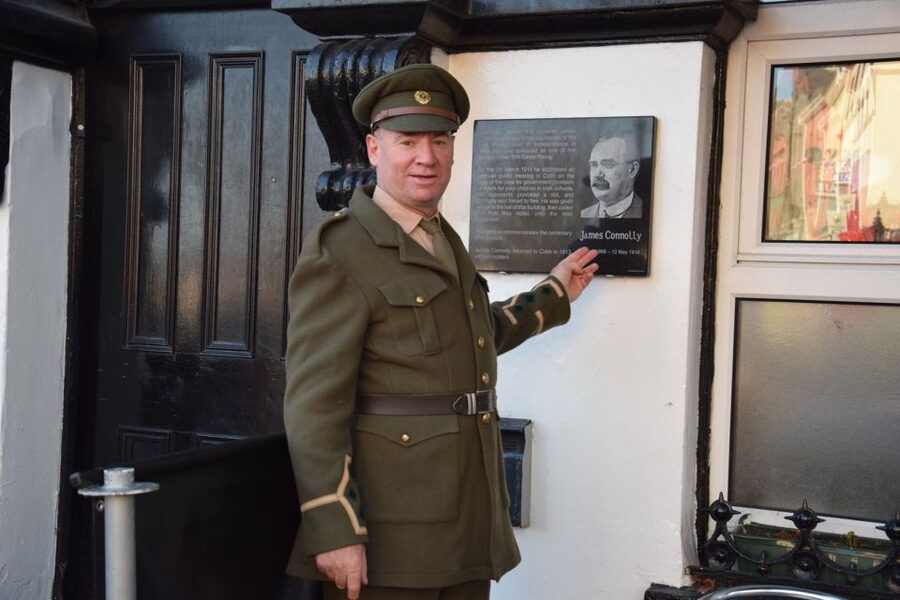
- Sixteen historic locations: Visit former ambush sites, safe houses, training halls, barracks, and detention places connected with Cobh republican volunteers.
- Kieran’s personal approach: He is praised for turning the walk into a conversation, with local details and stories drawn from extensive research.
- A wider Irish story: The route links Cobh events to the potato famine, the War of Independence, and other major chapters in Ireland’s past.
- Two hours at a relaxed pace: Stops allow questions, discussion, and time to look at the buildings and streets around you.
- Easy meeting point: Begin at the Cobh Heritage Centre, beside the quay and about two minutes from Cobh Railway station.
- Weather matters: Comfortable shoes, an umbrella, and a raincoat are sensible, not optional extras.
Starting beside the quay at Cobh Heritage Centre
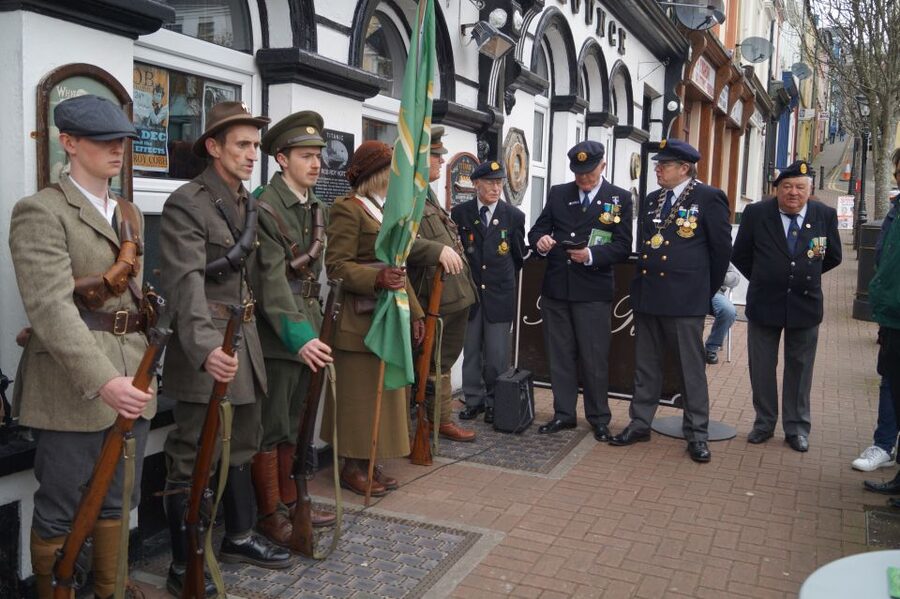
The tour begins at the Cobh Heritage Centre, a handy meeting point beside the quay. If you arrive by train, the station is about a two-minute walk away, so you do not need to arrange a taxi or allow much time for finding the start.
Entrance to the Heritage Centre is included. That gives the experience a useful beginning because you are not meeting in an anonymous car park or simply setting off without context. The centre helps place Cobh within Ireland’s wider story before the walking portion gets more specific.
From there, your guide takes you into the town. The route includes a small hill at the start, an important detail for anyone who finds slopes difficult. The walk is not suitable for people with mobility impairments, and you should take that warning seriously.
I would arrive with shoes that have a good grip. You will be walking for around two hours, stopping often, but this is still a town walk over uneven streets and changing weather conditions. A camera is useful, though the strongest part of the experience is what you hear rather than what you photograph.
More historical tours:
- The Queenstown Story @ Cobh Heritage Centre , Great Stories of Emigration.
★ 4.5 · 181 reviews - Visit 16 Sites Key Historical Sites And Experience Cobh Rebel Tours
★ 5.0 · 167 reviews - Cobh: 3-Hour Cultural Tour Plus
★ 4.9 · 31 reviews
Sixteen places that turn history into something physical
The central promise of this Cobh historic walking tour is its set of 16 locations. These are not presented as a list of distant dates. You visit the actual places associated with ambushes, safe houses, training halls, barracks, and detention.
That difference matters. A classroom can explain a campaign, but standing in the place where people hid, trained, waited, or were held gives the story a sharper edge. You begin to see how streets and buildings could serve very different purposes during a period of conflict.
The exact order of the stops is not provided, so I would not expect a rigid, numbered route delivered like a museum audio guide. Instead, the walk appears to move through Cobh at a leisurely pace, pausing where the local story calls for attention.
At each stop, Kieran gives the background of the people and events linked to it. You can ask questions, add to the conversation, and take time to examine the surroundings. That format suits anyone who prefers history explained in plain language rather than delivered as a long lecture.
The ambush sites are likely to be the most compelling stops for visitors interested in military history. Their value comes from location and circumstance: you are not just hearing that an ambush happened, you are being shown where it happened in relation to the town around you.
The safe houses offer a different angle. They shift attention from open fighting to secrecy, planning, and the ordinary spaces that could shelter people. The training halls and barracks add another layer, showing how organization and preparation supported the wider struggle.
The former detention places connected with Cobh republican volunteers may be among the more sobering stops. They help show the personal cost of political conflict. This is not only a tour of tactics and battles. It also deals with imprisonment, fear, loyalty, and the effect of national events on a small community.
From the potato famine to the fight for independence
The tour covers more than one narrow period. You hear about the potato famine, the Irish War of Independence, and the events in between. That wider span is one of the experience’s strongest features because Cobh’s story does not exist in isolation.
The famine provides essential background for understanding Ireland’s social and political tensions. It is not simply an opening date in a history lesson. It helps explain how hardship, displacement, and resentment shaped later generations.
The independence story then becomes more immediate as the route focuses on Cobh’s republican volunteers and their activities. The local sites give the national struggle a human scale. Instead of treating independence as something decided only by famous figures, you see how ordinary people and local networks formed part of it.
I especially like this link between national history and local evidence. You might already know broad facts about Ireland, but the Cobh connections help answer a more useful question: what did those events mean on these streets?
The tour also leaves room for everything in between, rather than rushing from famine to independence with no explanation. The supplied details do not list every topic or date, so you should expect the guide’s storytelling to shape the emphasis. That is a strength for a curious audience, though visitors seeking a strict academic chronology may prefer a more formal museum presentation.
Kieran’s conversational way of guiding
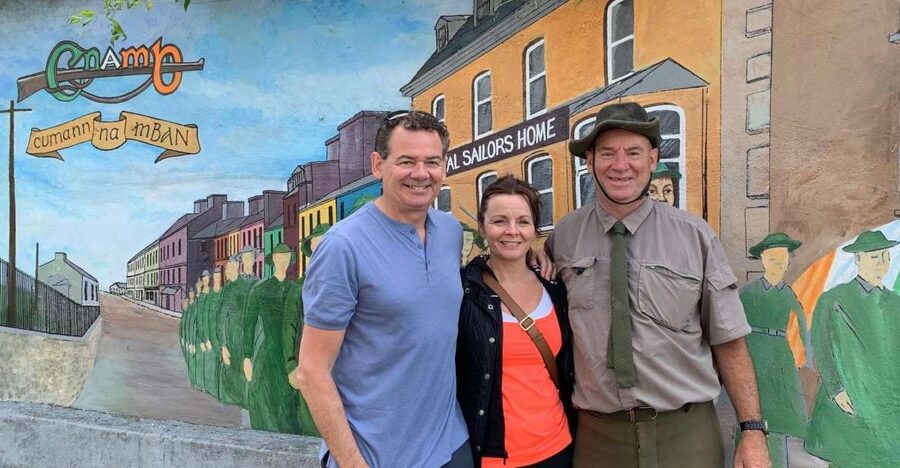
The guide can make or break a history walk, and Kieran receives especially strong praise for his manner. The most useful quality is not just his command of the subject. He makes the tour feel personal and conversational.
That is important during a two-hour walk. A guide who only recites facts can lose you after the first few stops. Kieran is described as warm, friendly, passionate, and easy to talk with. He encourages conversation instead of treating questions as interruptions.
He has also researched the area extensively and written two books. That suggests a level of preparation beyond memorizing a standard script. It may also explain the local details that give the walk its character.
One particularly telling detail is that he continued the tour for a couple who were the only people booked at that time. Rather than cancel, he gave them a personal account of Cobh and spent the time with them. You should not assume every departure will be private, but this example points to a guide who takes the experience seriously even with a very small group.
The personal format has a trade-off. A lively guide may follow questions and related stories, so the precise amount of time at each location can vary. If you want a tightly timed route with a fixed script, this may feel less predictable. If you want to ask about the people and places in front of you, that flexibility is a plus.
More walking tours:
- Titanic Trail Guided Walking Tour Cobh
★ 5.0 · 253 reviews - Dublin Highlights and Hidden Gems Guided Walking Tour
★ 5.0 · 6,020 reviews - Dublin: Highlights and Hidden Gems Walking Tour
★ 4.9 · 2,140 reviews - 1916 Rebellion Walking Tour
★ 5.0 · 1,605 reviews
Why the $40 price can make sense
At $40 per person, this is not the cheapest way to spend two hours in Cobh. You can walk through town on your own for free, and the Heritage Centre offers a more self-directed way to learn.
The value here comes from access to interpretation. Sixteen sites can be easy to pass without knowing what happened there. A local guide connects them, explains their role, and relates them to the wider course of Irish history.
The included entrance to the Heritage Centre also adds something concrete to the price. You are getting both a cultural visit and a guided walk, not just a short introduction around the quay.
I would consider the price fair if you have a serious interest in Irish history, local military history, or the War of Independence. It is also a good choice if you learn better through stories and conversation than through display panels.
The value is less clear if you have only a short stop in Cobh and mainly want scenic views, church architecture, or a general orientation. This tour is focused on people, political events, and places connected with conflict. It is not designed as a broad sightseeing circuit.
The small number of ratings available gives the experience a strong 4.6 out of 5 score. I would treat that as encouraging, while remembering that the tour’s success depends heavily on your interest in the subject and your connection with the guide’s storytelling style.
A leisurely walk, not a sightseeing sprint
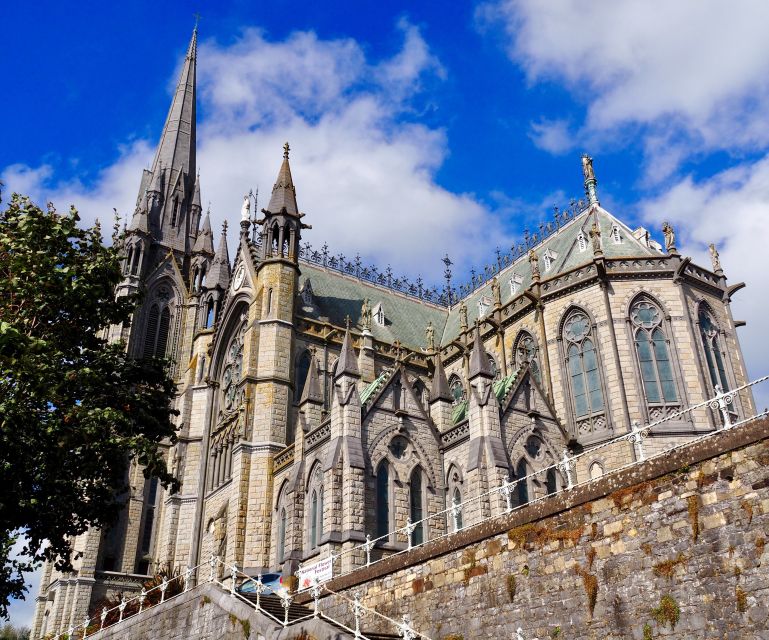
The two-hour duration is well judged for this subject. You have enough time to visit the 16 locations without trying to absorb everything in one rushed hour, but the tour is short enough to fit into a day in Cobh.
The pace is described as leisurely. That means you should have time to look around, listen, and ask questions. It also means the route is not built around covering the greatest possible distance.
The tour’s structure should suit you if you like stopping at buildings and streets while the guide explains their importance. You will not simply trail behind someone waving a flag. The experience works best when you pay attention to the surroundings and let the place support the story.
There is a small hill near the beginning, so do not read leisurely as fully flat or effortless. If you have knee, balance, or walking problems, check carefully before booking. The activity is specifically not suitable for people with mobility impairments.
You should also plan for rain. The required packing list includes an umbrella and rain gear, and that advice is practical for any outdoor walk in Ireland. A wet day will not erase the history, but it can make a two-hour walking tour much less comfortable.
Who will enjoy this Cobh walking tour most
I would recommend this experience first to people who want to understand Cobh beyond its attractive waterfront. The tour gives you a reason to look twice at ordinary streets and buildings.
It is particularly well suited to:
- People with an interest in the Irish War of Independence
- Visitors curious about local military history
- History teachers, students, and serious readers
- Visitors who prefer a guide-led story to a self-guided visit
- People who enjoy asking questions during a walk
- Anyone with enough time for a relaxed two-hour experience
The tour may also appeal to families with older children, but the provided information does not state a minimum age or specific child arrangements. I would ask before booking if that detail matters to your group.
It is less suitable if you want a purely scenic walk, a quick overview of Cobh, or a route designed for limited mobility. The subject is serious, and the experience gives more weight to political struggle and detention than to light sightseeing.
Practical details that make the day easier
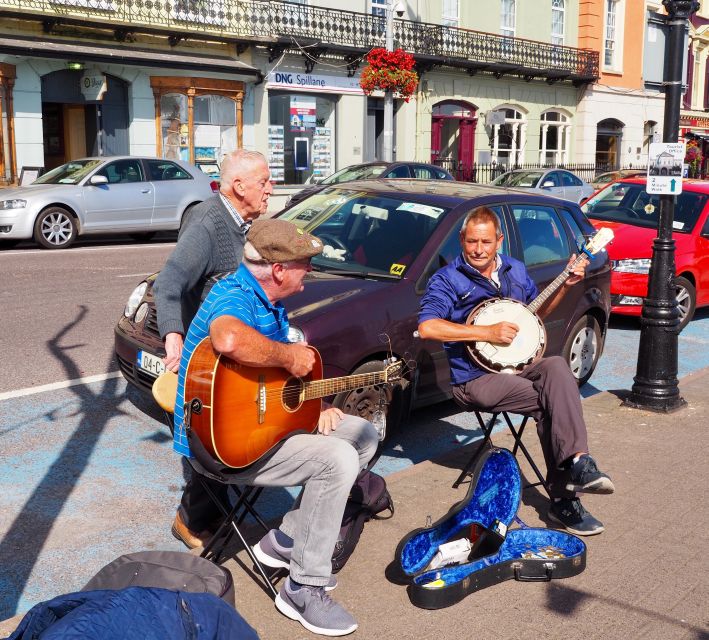
Start at the Cobh Heritage Centre by the quay. The railway station is close, roughly two minutes away, which makes public transport a practical option based on the stated meeting point.
The activity lasts two hours, but starting times vary. Check availability for the date you want rather than assuming a fixed departure.
English is the tour language, and the listed driver language is English. If you need another language, this experience may not meet your needs.
Wear comfortable shoes and bring an umbrella, raincoat, and camera. I would also carry a small amount of water, though water is not specifically listed among the included items.
The tour ends back at the Heritage Centre. That is convenient because you finish where you started, close to the quay and railway station. You will not need to plan a separate return journey from an unfamiliar part of town.
You can cancel up to 24 hours before the activity for a full refund. The reserve-now, pay-later option also gives you some flexibility, which is useful when Irish weather or a changing sightseeing schedule makes firm plans difficult.
Should you book the Cobh Rebel Walking Tour?
Book it if you want local stories, real historical locations, and a guide who treats the walk as a conversation. Kieran’s passion, research, and willingness to personalize the experience appear to be the main reasons this tour works so well.
I would especially choose it if you have already seen the main sights of Cobh and want to understand the town’s role in Ireland’s political past. The 16 stops, included Heritage Centre entry, and two-hour format give you a solid amount of content for the price.
Skip it if mobility is a concern, if you dislike walking in poor weather, or if your main goal is a general sightseeing tour. For everyone else, $40 buys more than a stroll. It gives you the local context needed to see Cobh as a place where national history was lived one street at a time.
FAQ
Where does the Cobh guided walking tour begin?
The tour begins at the Cobh Heritage Centre beside the quay. It is about a two-minute walk from Cobh Railway station.
Where does the tour finish?
The activity ends back at the Cobh Heritage Centre, where it begins.
How long does the walking tour last?
The tour lasts two hours. Starting times vary, so check availability for your chosen date.
What historical places will I visit?
You will visit 16 sites, including ambush locations, safe houses, training halls, barracks, and former detention places connected with Cobh republican volunteers.
Is the Heritage Centre included?
Yes. Entrance to the Heritage Centre is included in the experience.
What should I bring, and is the route suitable for everyone?
Bring comfortable shoes, an umbrella, a camera, and rain gear. The walk begins with a small hill and is not suitable for people with mobility impairments.
Just added around Cobh
- From Cork: Guided Shared Shore Excursion★ 4.7 · 6 reviews
- Private Tour , Blarney Castle, jameson Distillery and Cobh.★ 5.0 · 8 reviews
- Full Day Private Tour of Jameson Whiskey, Blarney Castle & Cobh★ 5.0 · 11 reviews
- Cobh cruise excursion, Blarney, Cork & Kinsale. Car or Minibus.★ 4.5 · 13 reviews
- Cobh: 3-Hour Cultural Tour Plus★ 4.9 · 31 reviews
- Private tour of, Blarney Castle, Cork City and Kinsale★ 5.0 · 38 reviews
- Private Tour Blarney Kinsale & Cobh Awarded Badge of Excellence★ 5.0 · 43 reviews
- Private Tour Blarney Kinsale and Cobh Viator Badge of Excellence★ 5.0 · 51 reviews
Historical Tours, compared.

Dublin Historical Centre Food Tour with 8 Food Tastings & Drinks
Read our review →

Historical 2-Hour Guided Walking Tour of Dublin
Read our review →
Dublin to Cork, Blarney Castle & Cóbh Heritage Centre by train
Read our review →
Jeanie Johnston Tall Ship Irish Famine History Tour
Read our review →

Deliciously Dublin: The Artisan Donut Walking & History Tour
Read our review →Browse the lists this tour appears in