
Reviewed · HISTORICAL TOURS
Dublin: Jeanie Johnston Tall Ship Irish Famine History Tour
A ship can make history feel close. Dublin’s Jeanie Johnston does exactly that, turning the Irish famine and mass emigration into a 50-minute guided visit on the water. I like the chance to see a real tall-ship setting, and I like the focus on individual passengers rather than dates alone. The main drawback is the ship’s tight interior, which is not suitable for wheelchair users or people with limited mobility.
The tour costs about $16 per person, a fair price for a short, focused history lesson in one of Dublin’s most recognizable sights. Guides such as Steve, Claire, Josh, Owen, and Katrina have earned praise for clear storytelling, good humor, and involving children. You should wear comfortable shoes and expect stairs, narrow spaces, and a serious subject.
In This Review
- Key points about the Jeanie Johnston tour
- Meeting the Jeanie Johnston at Dublin’s North Dock
- Above deck, from timber ship to famine vessel
- Below deck, where the famine story becomes personal
- One million departures, told through 2,500 passengers
- Why the guides matter so much
- A 50-minute visit that fits a Dublin itinerary
- Is $16 good value?
- Who should book this ship tour?
- Should you book the Jeanie Johnston?
- FAQ
- Where does the Jeanie Johnston tour start?
- Where does the tour end?
- How long does the tour last?
- What language is the tour in?
- What does the ticket include?
- Is the tour suitable for wheelchair users?
- Can I cancel for a refund?
Key points about the Jeanie Johnston tour
- The upper deck gives you a close look at a working tall-ship design, including its masts, timber construction, and changing role from cargo vessel to passenger ship.
- The below-deck story is personal, introducing passengers and crew, how crossings were paid for, what people ate, and how they spent the voyage.
- The tour explains the scale of Irish emigration, including the one million people who left Ireland during the famine years and the 2,500 people carried by the Jeanie Johnston.
- The 50-minute length works well for a busy Dublin day, especially if you want something meaningful without committing to a long museum visit.
- The guide makes the difference, with strong reports about Steve, Claire, Josh, Owen, Gearoid, Ronan, Eoin, Katrina, and Catriona.
- The ship is not accessible to everyone, so people with mobility impairments or wheelchair users should choose another attraction.
Meeting the Jeanie Johnston at Dublin’s North Dock
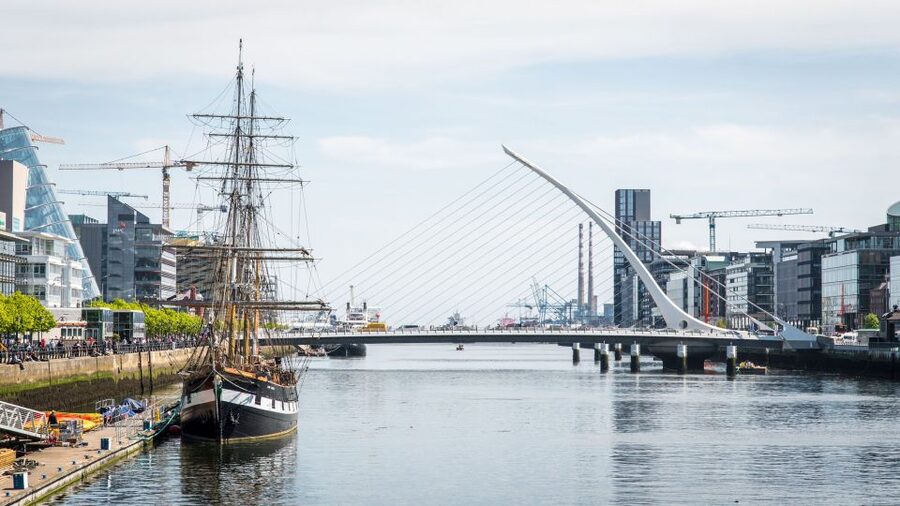
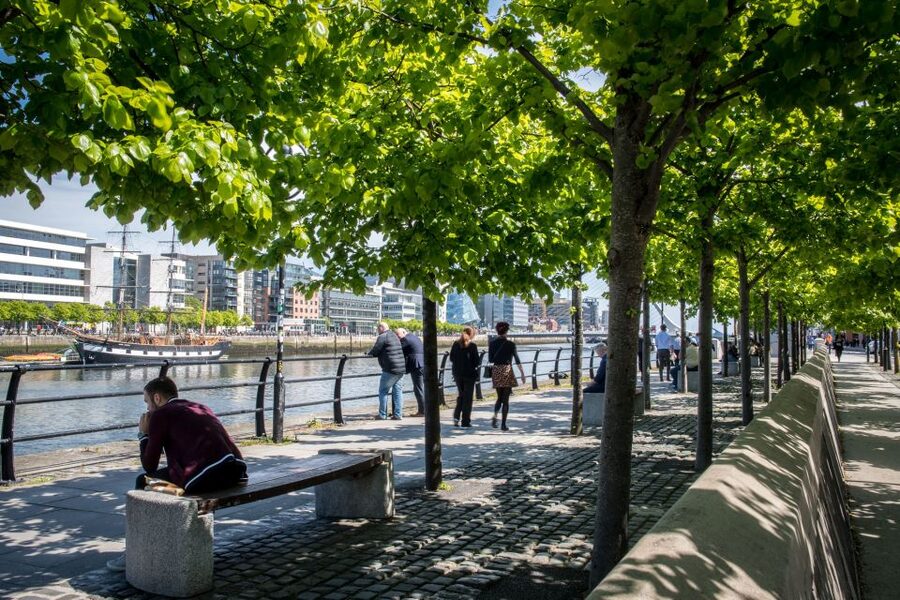
The Jeanie Johnston sits at City Moorings on Custom House Quay, Dublin 1. That puts you in the North Dock area, surrounded by working waterfront scenery and the modern Docklands.
You meet at the ship, and the tour finishes there. Hotel pickup and drop-off are not included, so you need to make your own way to the quay. This is simple enough for most people already exploring central Dublin, but leave time to find the mooring and arrive without rushing.
The ship itself is part of the attraction. It gives you a different view of the Docklands, with masts above you, gulls overhead, and the riverfront around you. On a sunny day, the deck makes a fine place for photographs. Even in less perfect weather, the setting helps you picture how much the sea shaped Irish life.
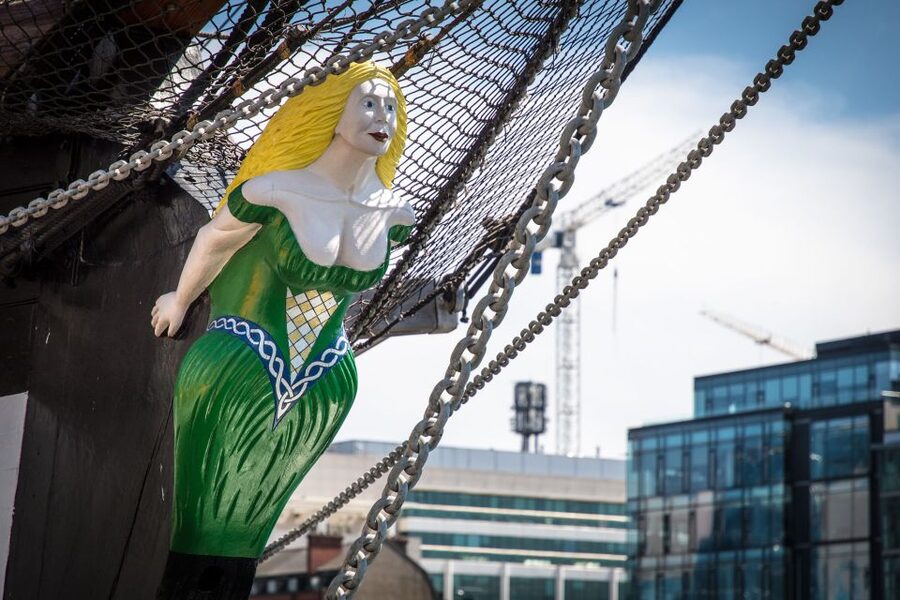
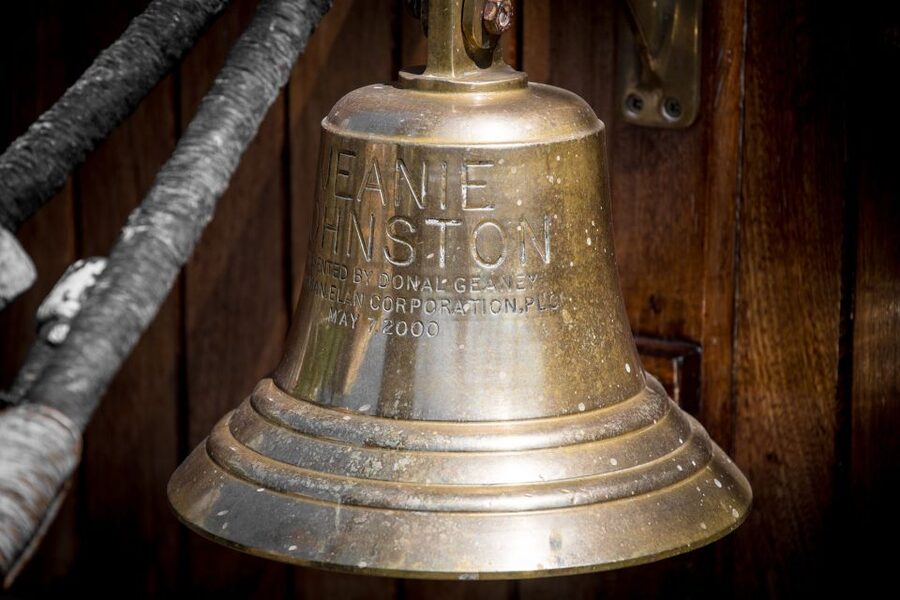
The Jeanie Johnston you visit is a replica of the original vessel. That distinction matters, but it does not make the visit less useful. The replica provides the physical setting for a story that can otherwise feel distant. You can see the cramped areas, feel the low ceilings, and understand why a transatlantic voyage was such a test of endurance.
More Historical Tours in Dublin
- Dublin Historical Centre Food Tour with 8 Food Tastings & Drinks
★ 5.0 · 1,718 reviews - 2-Hour Historical Walking Tour from Dublin
★ 5.0 · 875 reviews - Historical 2-Hour Guided Walking Tour of Dublin
★ 4.7 · 865 reviews
Above deck, from timber ship to famine vessel
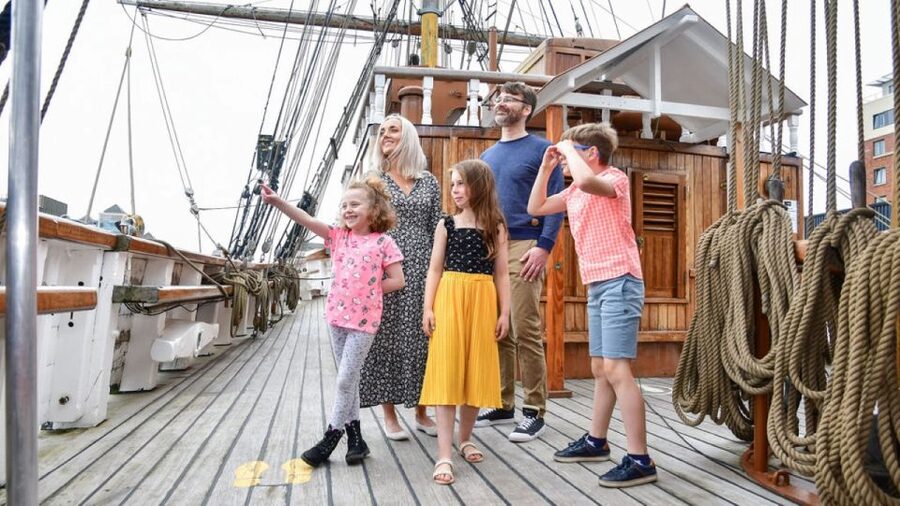
The tour begins on the upper deck. Your guide introduces the tall ship’s shape, craftsmanship, and working purpose before bringing the famine story into focus.
The Jeanie Johnston began life carrying timber. Later, the ship carried people leaving Ireland. That change tells you something about the era. Ships were part of a wide trade system, and the movement of people across the Atlantic became a major part of Irish life during the famine years.
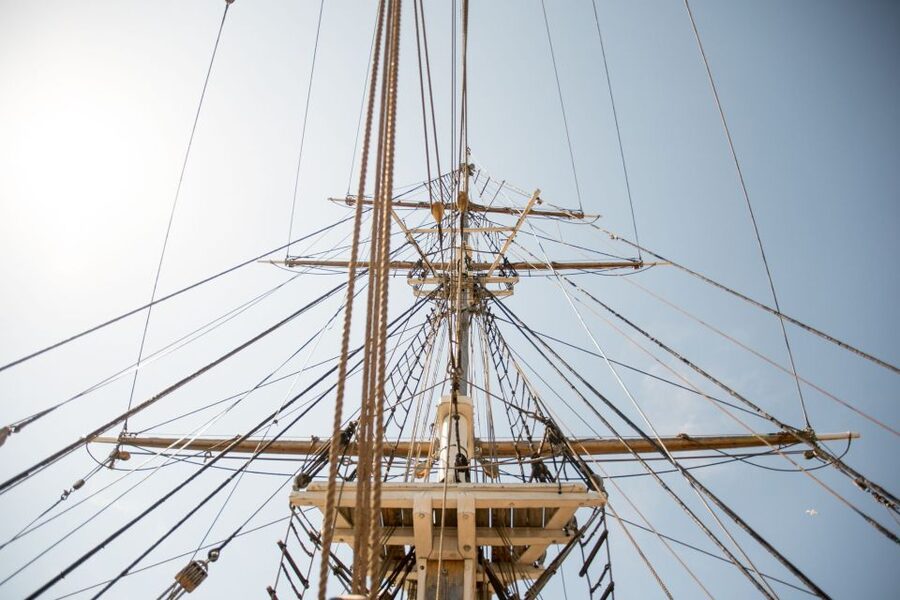
Look up at the masts and rigging as the guide explains how tall ships handled long ocean passages. You do not need specialist sailing knowledge to follow this part. The point is to show you the practical world behind the voyage: wood, wind, cargo, crew, and a vessel built to remain at sea for long periods.
This opening section also gives you a chance to take photographs before you go below. The Jeanie Johnston is one of the area’s most photographed attractions, and the deck offers the clearest view of its tall profile. I would take your pictures early, since the lower section becomes the emotional center of the tour.
The outdoor setting keeps the visit from becoming a standard indoor museum stop. You hear the city and the river while learning about a ship that once carried people toward uncertain futures. That contrast works well.
Below deck, where the famine story becomes personal
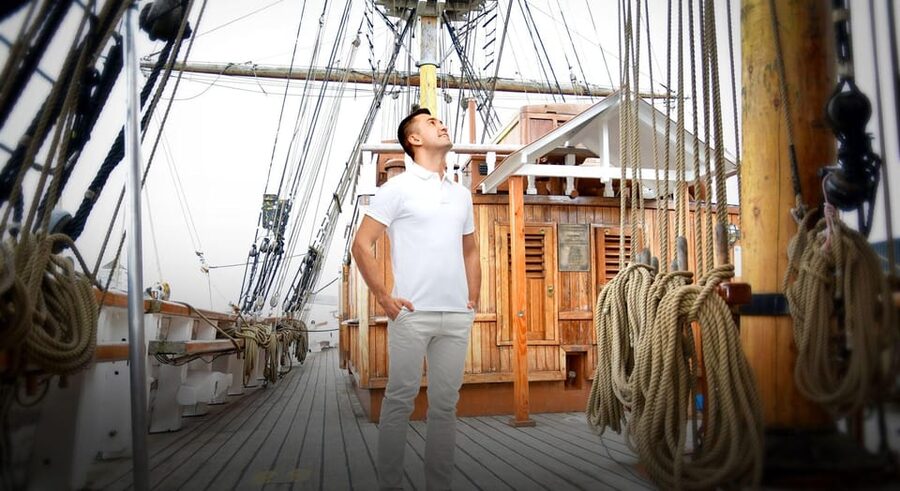
Going below deck changes the tone. The air, space, and layout help you picture the conditions faced by as many as 250 passengers.
These passengers spent most of the voyage below. According to the tour, they were allowed only half an hour of fresh air each day. That fact alone gives the ship’s cramped quarters a human scale. You are no longer thinking only about a large movement of people. You are thinking about families trying to sleep, eat, and stay healthy in a confined wooden vessel.
The guide introduces selected passengers and crew through their personal stories. You learn how people paid for their crossing, what food they had during the voyage, and how they passed the time. Those details are valuable because they show the practical decisions behind emigration. A crossing was not just a ticket and a departure. It required money, planning, courage, and luck.
The conditions were grim. Disease, starvation, and disaster were constant risks on famine ships. The tour does not soften the fear of the journey, but it presents the subject in a way that younger visitors can follow. One family account praised Katrina for involving children aged eight and eleven. Another parent said Catriona kept a 10-year-old engaged while answering questions about the mannequins on board.
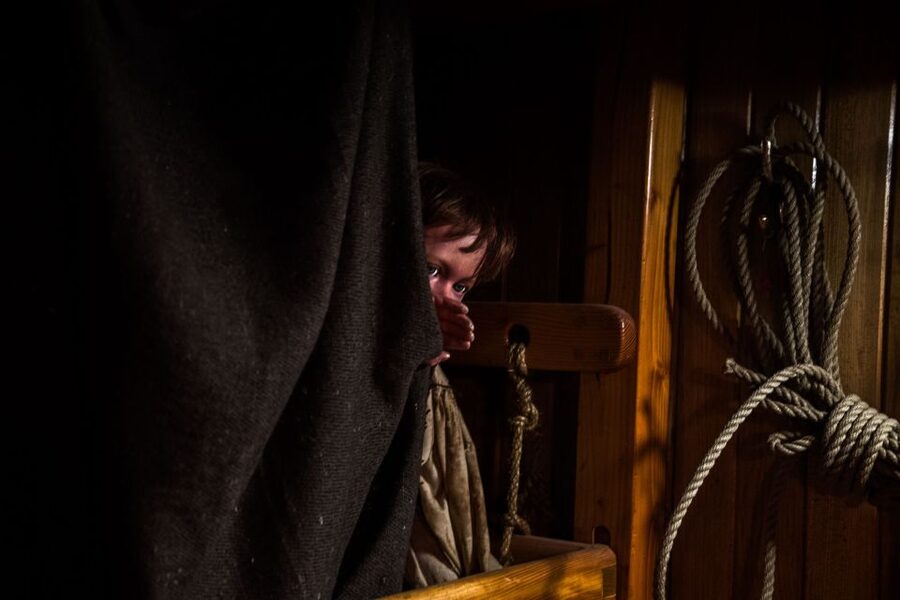
The lower deck includes figures representing people connected with the voyage. For some children, these mannequins may be unsettling. A guide who takes questions seriously can help, and several guides have been praised for doing just that.
One million departures, told through 2,500 passengers
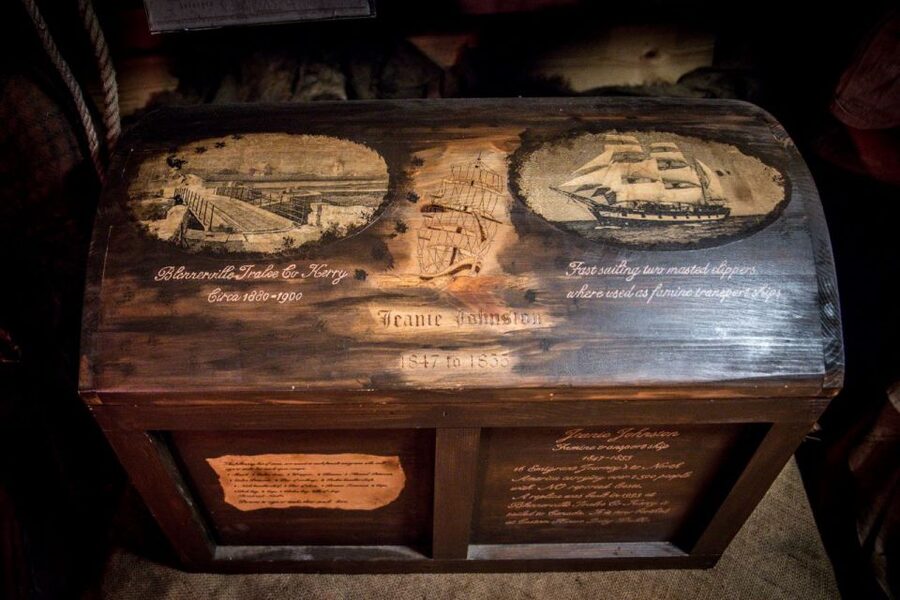
The wider context is essential. About one million Irish people fled Ireland during the famine years. The Jeanie Johnston carried 2,500 of them across 16 voyages to America.
That number makes the ship important, but the tour’s strength is the move from scale to individual lives. You hear about people who had little choice but to leave. You also learn about the uncertainty waiting at the destination. Arrival did not guarantee safety, work, family reunion, or a better life.
One especially striking fact is that nobody died on the Jeanie Johnston’s 16 voyages to America. That was remarkable given the health dangers faced by people on famine ships. It should not be mistaken for a comfortable trip. The cramped conditions and fear of disease were real, but this ship’s record gives the story an important point of contrast.
The guide also explains what happened after the crossing. The point is not to end the story at the American shoreline. You get a sense that emigration was a forced turning point, with families leaving behind homes, relatives, and a country in crisis.
This approach makes the tour useful for people with Irish family connections, but you do not need Irish ancestry to benefit from it. The issues are broad: hunger, displacement, family survival, and the risks people take when home no longer offers a future.
A completely different kind of day out from Dublin:
- Dublin to Cliffs of Moher, including Wild Atlantic Way and Galway
★ 5.0 · 23,331 reviews - From Dublin: Cliffs of Moher, Burren & Galway City Day Tour
★ 4.8 · 18,888 reviews - Dublin: Guinness Storehouse Entry Ticket
★ 4.6 · 16,863 reviews - Dublin to Cliffs of Moher, Burren, Wild Atlantic Way, Galway Tour
★ 5.0 · 12,924 reviews
Why the guides matter so much
The tour depends heavily on the person leading it. A good guide turns a short visit into a clear, moving story. A poor delivery could leave you looking at an attractive ship without understanding why it matters.
The strongest guide feedback centers on storytelling, warmth, and the ability to answer questions. Josh has been praised as a strong storyteller who made emigration feel immediate. Steve has been noted for being friendly, clear, and entertaining, even with children ranging from seven to fifteen.
Claire has been described as funny and well informed, while Owen earned praise for answering detailed questions. Gearoid was appreciated for balancing humor with the seriousness of the subject. Eoin brought wisdom, seriousness, and humor to the story, and Katrina encouraged the group to talk by asking where people came from.
These details matter because the tour is live and in English. You are not moving through a room at your own pace with labels to read. You are listening, watching, and asking questions as the guide shapes the visit.
Families should feel comfortable booking this if children can manage a serious subject and a confined ship interior. The tour has kept older children and teenagers interested, including one 16-year-old who stayed engaged throughout. Still, younger children may react differently to the famine story or the figures below deck.
A 50-minute visit that fits a Dublin itinerary
At 50 minutes, the tour is short enough to fit between other Dublin plans. It is not a full-day activity, and that is part of its appeal.
The length also keeps the subject focused. You get the ship’s background, the upper-deck view, the below-deck living conditions, passenger stories, food, payment, illness, and possible futures after arrival. A longer tour might provide more detail, but this format gives you a strong introduction without demanding half a day.
The pace is likely to feel active because you move from the upper deck below deck and listen as the guide interprets each area. Comfortable shoes are a smart choice. The ship is not recommended for people with limited mobility, and wheelchair users cannot use the experience. That is not a minor footnote: the physical layout is central to the visit.
You may also want to consider the weather. The upper deck is exposed, and the tour includes time outside with the wind and sea air. Dublin weather can change quickly, so bring a layer that you can wear comfortably during the outdoor portion.
Is $16 good value?
At about $16 per person, I consider the Jeanie Johnston good value for a short Dublin attraction. You receive admission and a guided tour, not just permission to walk around a ship.
The value comes from the combination of place and interpretation. You could look at the vessel from the quay for free, but you would miss the explanation of its original purpose, the building of the replica, and the lives of the people who crossed the Atlantic.
It also costs less than many large city attractions while offering something distinct. This is not a general overview of Irish history. It is a concentrated lesson built around one ship and the human choices connected to it.
I would book it for a first visit to Dublin if you want history with a strong physical setting. I would also recommend it to people tracing Irish family roots, although the tour cannot promise information about your own ancestors. If your main goal is a long, quiet museum visit, this may feel too brief and guide-led.
Free cancellation up to 24 hours before the visit and a reserve-now, pay-later option make planning less risky. Starting times vary, so check availability when choosing your slot.
Who should book this ship tour?
I think the Jeanie Johnston suits several kinds of Dublin visitors:
- Families with school-age children: Guides have done a good job making the story understandable for children and teenagers.
- People interested in Irish history: The tour connects the famine to emigration, shipping, health risks, and family survival.
- Visitors with Irish heritage: The passenger stories may give emotional context to family departure stories.
- Photographers and ship lovers: The upper deck, masts, and Docklands setting provide strong photo opportunities.
- People with limited time: Fifty minutes is easy to add to a day of sightseeing.
I would think twice if you dislike narrow spaces, cannot manage the ship’s physical layout, or want a self-guided visit. The tour is in English, and the guide carries much of the storytelling.
Should you book the Jeanie Johnston?
Book it if you want a compact, serious, and human look at the Irish famine and emigration. The ship gives you something a textbook cannot: a physical sense of the low ceilings, crowded quarters, and uncertain ocean journey.
The best reason to go is the guide-led storytelling. Steve, Claire, Josh, Owen, Gearoid, Ronan, Eoin, Katrina, and Catriona have each been singled out for warmth, humor, clarity, or strong answers to questions. Your guide may be different, but the format gives a skilled storyteller plenty to work with.
Skip it if accessibility is a concern or if you want a broad survey of Dublin. For most people who can manage the ship, though, $16 buys a memorable lesson in a setting that makes the past feel close at hand.
FAQ
Where does the Jeanie Johnston tour start?
The tour starts at the Jeanie Johnston Tallship, City Moorings, Custom House Quay, Dublin 1.
Where does the tour end?
The activity ends back at the Jeanie Johnston meeting point.
How long does the tour last?
The guided tour lasts 50 minutes. Starting times vary, so you need to check availability for the date you want.
What language is the tour in?
The live tour guide speaks English, and the listed tour language is English.
What does the ticket include?
The ticket includes entrance and access to the guided tour of the Jeanie Johnston Tallship.
Is the tour suitable for wheelchair users?
No. The tour is not suitable for wheelchair users or people with mobility impairments.
Can I cancel for a refund?
Yes. You can cancel up to 24 hours in advance for a full refund. A reserve-now, pay-later option is also available.
Just added around Dublin
- A Self Guided Walking Tour of Dublin’s Docklands★ 4.5 · 3 reviews
- Waterford Crystal and Kilkenny Full-Day Rail Tour from Dublin★ 5.0 · 3 reviews
- Secret and unusual Dublin: guided walking tour★ 5.0 · 3 reviews
- Turtle Bunbury’s Dublin: A Self-Guided Audio Tour from a Celebrated Author★ 5.0 · 3 reviews
- Cliffs of Moher and The Burren Private Tour from Dublin★ 5.0 · 3 reviews
- Skip-the-line St. Patrick’s Cathedral and Dublin City Tour★ 5.0 · 3 reviews
- Dublin Full-Day Tour through Boyne Valley★ 5.0 · 3 reviews
- Rock Of Cashel And Blarney Castle Private Chauffeur Full Day Sightseeing Tour★ 4.5 · 3 reviews
Historical Tours, compared.
Dublin Historical Centre Food Tour with 8 Food Tastings & Drinks
Read our review →

Historical 2-Hour Guided Walking Tour of Dublin
Read our review →
Dublin to Cork, Blarney Castle & Cóbh Heritage Centre by train
Read our review →
Deliciously Dublin: The Artisan Donut Walking & History Tour
Read our review →
Browse the lists this tour appears in